





Your calls answered by leading travel experts in under 5 seconds.

Unpublished offers and great discounts when you book on-call.

Hand-crafted travel itinerary that meet all your travel preferences.

Round-the-clock customer service to get all your doubts clarified.
When you plan a vacation to a destination and want to book your Air New Zealand flight tickets, then reach out to My Flight Fares. Our travel experts guide you through the booking process and help you score great airfares in your desired budget. We have flight offers from our inventory of 450+ airline options. Starting from Economy, First and Business Class tickets, My Flight Fares travel experts can give you various other services on your Air New Zealand bookings like extra luggage, priority check-in, in-flight meals, and more.
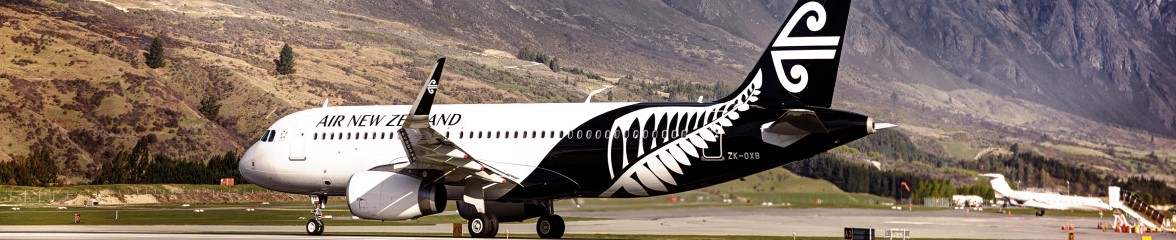
Air New Zealand is a flag carrier of New Zealand based in Auckland. It flies passenger flights to over 20 domestic and 32 international destinations all across 20 countries around the Pacific Rim. Its headquarters is at Wynyard Quarter Auckland, New Zealand. Its leading hubs are in Auckland, Christchurch, and Wellington.
You can find your Air New Zealand booking by visiting their website or mobile app and entering your booking reference and last name. Alternatively, check your confirmation email or contact their customer service for assistance.
To check flight details with your booking number, go to the airline’s website or app, enter your booking reference and last name, and view your itinerary, seat, and flight status. Customer service can also provide details if needed.
You can select seats on Air New Zealand during booking or at online check-in, which opens 24 hours before departure. Some preferred or extra-legroom seats may have an additional fee.
The cheapest months to fly to New Zealand are usually February to April and September to November, outside the peak summer and holiday seasons. Airfares are lower due to less tourist demand.
You can get your flight details by checking your booking online using your booking reference and last name, reviewing your confirmation email, or contacting the airline’s customer service. Apps and airport kiosks also display flight information.
You can check your Air New Zealand flight status by visiting their website or mobile app and entering your flight number or booking reference, or by calling their customer service. Real-time updates include delays, departures, and arrivals.
The best Economy Class seats are usually exit rows (extra legroom), bulkhead seats (no one in front), and window seats for views or aisle seats for easy access. Avoid seats near lavatories or galleys due to noise and traffic.
The most expensive months to travel to New Zealand are typically December to February, during the Southern Hemisphere summer and school holidays, when demand is highest for flights, accommodation, and tours.
Air New Zealand baggage fees depend on class, route, and weight. Economy typically allows 1 checked bag (up to 23kg) for international flights; additional or overweight bags incur fees. Carry-on is usually 7kg for Economy. Fees vary, so check your specific flight on the airline’s website.
For a 2-week trip to New Zealand, a moderate budget is roughly NZD 3,000–5,000 per person, covering accommodation, food, transport, and activities. Budget travelers can manage with NZD 2,000, while luxury trips may exceed NZD 7,000. Costs vary by season and itinerary.
For Air New Zealand flights, online check-in opens 24 hours before departure. Airport check-in usually opens 3 hours before international flights and 2 hours before domestic flights.
The coldest month in New Zealand is usually July, with average temperatures ranging from 5–15°C (41–59°F), colder in the South Island and mountainous regions.
Air New Zealand is strict about baggage weight. Checked baggage over the allowance incurs fees, and overweight or oversized bags may be denied until paid. Carry-on limits are enforced for safety and space, so weigh and pack carefully.
A typical meal in New Zealand costs around NZD 15–25 for casual dining, NZD 25–50 at mid-range restaurants, and NZD 50+ at fine dining establishments. Fast food or takeaway is usually NZD 8–12 per meal.
You can select seats on Air New Zealand during booking or at online check-in, which opens 24 hours before departure. Some preferred or extra-legroom seats may incur an additional fee.
At the airport, get your boarding pass by going to the airline’s check-in counter or using a self-service kiosk. Provide your booking reference or ID, check your baggage if needed, and the staff or kiosk will print your boarding pass.
At Minneapolis–Saint Paul (MSP) Airport, get your boarding pass by visiting your airline’s check-in counter or using a self-service kiosk. Enter your booking reference or ID, check bags if needed, and the kiosk or agent will print your boarding pass. You can also use the airline’s mobile app for a digital pass.
The kiwi bird is iconic and found only in New Zealand. Other unique species include the takahe and tuatara (a reptile), making the country famous for its endemic wildlife.
The nicest place to live in New Zealand depends on lifestyle: Wellington for culture and jobs, Auckland for urban amenities, Queenstown for outdoor adventure, and Dunedin for a quieter, scenic environment. Each offers a mix of work, recreation, and community.
High-demand jobs in New Zealand include healthcare professionals (nurses, doctors), IT specialists, engineers, construction trades, and agriculture/primary sector roles. Demand varies by region and economic trends.
New Zealand cuisine features meat, seafood, and dairy, with popular dishes like roast lamb, fish and chips, pavlova, and meat pies. Maori-inspired foods and fresh local produce also play a key role, alongside international cuisines in urban areas.
The biggest dangers in New Zealand are mostly natural hazards, including earthquakes, volcanic activity, strong ocean currents, and extreme weather. Outdoor risks like hiking injuries or sunburn are common, so caution and preparation are essential.
The cheapest day to book flights is often Tuesday or Wednesday, as airlines release discounts early in the week and midweek travel is less in demand. Prices can vary, so comparing multiple days is recommended.
The cheapest city to live in New Zealand is generally Invercargill, followed by smaller towns in the Southland and Otago regions. Housing, groceries, and daily expenses are lower compared to major cities like Auckland or Wellington.
The cheapest months to fly to New Zealand are usually February to April and September to November, outside peak summer and holiday seasons. Airfares are lower due to reduced tourist demand.
New Zealand is generally very safe, but Wellington, Dunedin, and Napier are often ranked among the safest cities due to low crime rates, good healthcare, and community policing. Smaller towns tend to be safer than major urban centers.
Many consider Queenstown the most beautiful city in New Zealand, with dramatic mountains, lakes, and adventure activities. Wanaka, Rotorua, and Nelson are also renowned for scenic landscapes, beaches, and outdoor appeal.
High-demand skills in New Zealand include healthcare (nursing, medical specialists), IT and software development, engineering, construction trades, and agriculture/primary sector expertise. Skills in these areas improve job prospects and visa opportunities.
If you cancel a non-refundable flight, you typically cannot get a cash refund. Airlines may offer a credit, travel voucher, or rebooking option, sometimes minus a cancellation fee. Policies vary, so check the airline’s specific rules.
New Zealand is famous for kiwifruit, also called “kiwi,” and also produces apples, avocados, and feijoas. Kiwifruit is an iconic export and widely associated with the country.
Both are beautiful in different ways. India offers diverse culture, historical landmarks, and varied landscapes from mountains to deserts. New Zealand is renowned for dramatic natural scenery—lakes, mountains, and coastlines. Choose India for culture and history, New Zealand for outdoor adventure and pristine nature.
If you cancel a non-refundable flight, you usually lose the ticket value, though some airlines may allow a credit or voucher for future travel, often minus a cancellation fee. Refunds in cash are rarely given.
The cheapest town to live in New Zealand is generally Invercargill, in the Southland region, due to lower housing costs and everyday expenses. Other affordable options include Whanganui and smaller towns in Otago and Northland.
New Zealand is considered a high-income country with a strong economy, good infrastructure, and high living standards. While urban areas are wealthier, some rural regions face higher costs and limited services.
New Zealand has public healthcare, which is largely free or low-cost for residents, including hospital treatment and some doctor visits. Non-residents or private services may require payment or insurance.
Common Indian surnames in New Zealand include Patel, Singh, Kumar, Sharma, Reddy, and Gupta, reflecting migration from various regions of India. These families are mainly settled in cities like Auckland and Wellington.
Drawbacks of living in New Zealand include high cost of living and housing, geographic isolation from other countries, limited public transport in smaller towns, and variable job opportunities outside major cities. Natural hazards like earthquakes and severe weather can also be a concern.
You must have lived in New Zealand for at least 5 years as a resident to be eligible for citizenship. Additional requirements include good character, English proficiency, and intention to continue living in New Zealand.
The minimum wage in New Zealand is currently around NZD 22.70 per hour (as of 2026). Many jobs pay more depending on skill level, industry, and experience.
The cheapest day to fly is generally Tuesday or Wednesday, as midweek demand is lower and airlines often release discounts then. Weekend flights, especially Fridays and Sundays, are usually more expensive.
The number one tourist attraction in New Zealand is often considered Milford Sound in Fiordland National Park, famous for dramatic fjords, waterfalls, and wildlife. Popular alternatives include Rotorua’s geothermal areas and Queenstown’s adventure activities.
Yes, you can cancel Air New Zealand international flights, but refunds depend on the ticket type. Fully refundable tickets get a full refund, while non-refundable tickets may only offer credits, vouchers, or rebooking options, often minus a cancellation fee.
You can cancel an international flight ticket and get a refund only if your ticket is refundable. Non-refundable tickets usually offer credits or travel vouchers instead of cash, sometimes minus a cancellation fee. Policies vary by airline.
Air New Zealand change fees depend on fare type and route. Flexible fares often allow free changes, while standard or economy fares may charge NZD 50–150 per change for domestic flights and more for international routes. Always check your ticket rules.
The cancellation window for an international flight depends on the airline and ticket type. Many airlines allow free cancellation within 24 hours of booking for most international tickets; after that, cancellations may incur fees or restrictions based on the fare rules.
The cost to reschedule a flight depends on the airline, fare type, and route. Flexible tickets may allow free changes, while standard economy fares often charge $50–$200 domestically and more for international flights, plus any difference in airfare.
If you cancel a non-refundable flight, you generally cannot get a cash refund. Airlines may offer a credit, travel voucher, or rebooking option, sometimes minus a cancellation fee. Refunds in cash are rarely provided.
Air New Zealand tickets can be refundable or non-refundable depending on the fare type. Flexible or fully refundable fares allow cash refunds, while standard economy fares usually offer credits or vouchers instead of cash if canceled.
The 24-hour cancellation policy allows you to cancel a flight within 24 hours of booking without penalty, usually for a full refund. It applies to most airlines, especially for bookings made at least a week before departure, but rules can vary by carrier and fare type.
Flight cancellation rules vary by airline and country, but a common update is that many carriers now allow free or low-fee cancellations within 24 hours of booking, and some offer flexible rebooking or credits for certain fare types. Always check the airline’s latest policy, as fees and eligibility differ.
Yes, you can cancel a flight 1 day before departure, but refunds depend on your ticket type. Fully refundable tickets get a cash refund, while non-refundable fares usually offer credits, vouchers, or rebooking options, often minus a cancellation fee.
For an international flight, it’s recommended to arrive at the airport 3 hours before departure. This allows time for check-in, security, immigration, and potential delays.
You can change your Air New Zealand flight online via their website or app, at the airport check-in counter, or by calling customer service. Fees depend on your fare type, route, and how far in advance you make the change.
Air New Zealand offers free cancellation only on refundable or flexible fares. Standard or economy tickets usually do not include free cancellation, though some may allow credits or rebooking options for a fee.
Yes, most airlines, including Air New Zealand, allow full refunds if you cancel within 24 hours of booking, provided the flight is at least a week away. This rule applies even to non-refundable fares in many cases.
Air New Zealand allows 1 carry-on bag up to 7kg for Economy, and 2 carry-on items up to 12kg total for Premium Economy and Business Class. Dimensions must meet the airline’s size limits, usually around 55×35×23cm.
Air New Zealand is strict about baggage limits. Checked bags over the allowance incur excess fees, and carry-on bags must meet weight and size restrictions. Overweight or oversized luggage may be refused until fees are paid.
Air New Zealand prohibits flammable items, explosives, weapons, sharp objects, and certain chemicals in both checked and carry-on baggage. Liquids over 100ml in carry-on and certain sporting or electronic items may also be restricted. Always check the airline’s latest dangerous goods list before packing.
Yes, you can bring solid food on an Air New Zealand flight, both in carry-on and checked baggage. Restrictions apply for liquids, gels, and perishable items in carry-on, and some international destinations may have customs rules for certain foods.
Items not allowed in checked baggage include explosives, flammable liquids, compressed gases, corrosive substances, lithium batteries in large quantities, firearms (without proper declaration), and valuables like cash or jewelry. Airlines may also restrict perishable items and certain electronics. Always check your airline’s baggage and dangerous goods policy.
On Air New Zealand international flights, Economy Class usually allows 1 checked bag up to 23kg, Premium Economy 2 bags up to 23–28kg each, and Business Class 2–3 bags up to 32kg each. Carry-on limits are 7kg for Economy and 12kg for Premium/Business. Exact allowances vary by route and fare type.
Air New Zealand is strict with carry-on luggage. Bags must meet weight and size limits—usually 7kg for Economy, 12kg for Premium/Business—and fit in the overhead bin or under the seat. Oversized or overweight items may be checked in with fees.
Overweight carry-on for Air New Zealand is any bag that exceeds the allowed weight limit: 7kg for Economy or 12kg for Premium/Business. Overweight carry-on must usually be checked in, and excess baggage fees apply based on route and fare type.
Air New Zealand’s checked baggage allowance varies by class: Economy allows 1 bag up to 23kg, Premium Economy 2 bags up to 23–28kg each, and Business Class 2–3 bags up to 32kg each. Limits can vary by route and fare type.
Yes, Air New Zealand is strict on luggage. Checked and carry-on bags must meet weight and size limits, and overweight or oversized items may incur fees or need to be checked in.
Yes, you can check in two bags on Air New Zealand if you are in Premium Economy or Business Class. Economy passengers usually get 1 checked bag, unless the fare includes extra baggage.
For an Air New Zealand international flight, arrive at least 3 hours before departure to allow time for check-in, security, and immigration.
Yes, you can choose your seat on an Air New Zealand flight during booking or at online check-in. Some preferred or extra-legroom seats may have an additional fee.
Air New Zealand Premium Economy offers more legroom, wider seats, enhanced meals and beverages, priority boarding, and extra baggage allowance compared to Economy, providing a more comfortable long-haul experience.
Air New Zealand serves complimentary soft drinks, tea, and coffee in Economy, while Premium Economy and Business Class offer alcoholic beverages, juices, and upgraded meal service on most international flights.
Air New Zealand Economy Class typically allows 1 checked bag up to 23kg and 1 carry-on bag up to 7kg. Limits may vary by route and fare type.
Extra baggage on Air New Zealand costs vary by route, weight, and class. Economy passengers typically pay NZD 50–150 per additional checked bag on domestic flights, and more for international flights. Fees are higher for overweight or oversized bags.
Extra baggage on Air New Zealand costs vary by route, weight, and class. Economy passengers typically pay NZD 50–150 per additional checked bag on domestic flights, and more for international flights. Fees are higher for overweight or oversized bags.
If you don’t select a seat on Air New Zealand, the airline will assign one for you at check-in. You may get a standard seat, not a preferred or extra-legroom option.
Air New Zealand seats are generally comfortable for short and medium flights. Economy offers standard legroom, Premium Economy gives extra space and recline, and Business Class features lie-flat seats for long-haul flights. Comfort can vary by aircraft.
Air New Zealand is strict with carry-on luggage. Economy passengers can bring 1 bag up to 7kg, Premium and Business up to 12kg, and all bags must meet size limits. Oversized or overweight items must be checked in, with fees applied.
Air New Zealand Premium Economy is considered very good for long-haul flights, offering wider seats, extra legroom, enhanced meals and drinks, priority boarding, and extra baggage allowance, providing a noticeably more comfortable experience than Economy.
On Air New Zealand, Premium Economy offers more legroom and wider seats, upgraded meals and beverages, extra baggage allowance, and priority boarding, while Economy provides standard seating, basic meals, and less luggage allowance. The experience is more comfortable and convenient in Premium Economy.
Air New Zealand baggage limits vary by class: Economy allows 23kg per checked bag, Premium Economy 23–28kg per bag, and Business Class 32kg per bag. Carry-on limits are 7kg for Economy and 12kg for Premium/Business.
On Air New Zealand, seat selection may be free or paid depending on your fare and seat type. Standard seats are usually free, while preferred or extra-legroom seats often incur an additional fee.
Air New Zealand Premium Economy provides more legroom and wider seats, upgraded meals and beverages, priority boarding, extra baggage allowance, and enhanced comfort compared to standard Economy, especially on long-haul flights.
The best seat in Air New Zealand Business Class is usually a window seat in the front or middle of the cabin, offering direct aisle access, more privacy, and lie-flat comfort. Seats in the middle of a row are ideal for couples traveling together.
Business Class on Air New Zealand is generally worth it for long-haul flights, offering lie-flat seats, more space, better meals and drinks, lounge access, and priority boarding, making the journey much more comfortable than Economy or Premium Economy.
Yes, Air New Zealand Premium Economy passengers receive priority boarding, allowing them to board ahead of standard Economy travelers.
Business Class flights to New Zealand typically cost NZD 4,000–10,000 round-trip from North America or Europe, depending on airline, season, and booking time. Prices vary widely based on demand, route, and flexibility.
Yes, Air New Zealand Premium Economy seats recline more than standard Economy, offering extra legroom and enhanced comfort for long-haul flights, though they do not fully lie flat like Business Class seats.
A preferred seat in Air New Zealand Premium Economy is a seat with extra legroom, better location near the front of the cabin, or more privacy, often with a small additional fee compared to standard Premium Economy seats.
No, Air New Zealand Premium Economy does not include lounge access. Lounge access is generally reserved for Business Class passengers, elite frequent flyers, or those who purchase a separate pass.
Yes, Air New Zealand Premium Economy is worth it for long-haul flights, offering extra legroom, wider seats, better meals and drinks, priority boarding, and extra baggage allowance, making the journey significantly more comfortable than standard Economy.
On Air New Zealand flights, carry-on luggage must fit 55×35×23cm and weigh up to 7kg in Economy, 12kg in Premium/Business. Checked bags vary by class: Economy 23kg, Premium 23–28kg, Business 32kg per bag.
On Air New Zealand international flights, Economy Class usually allows 1 checked bag up to 23kg, Premium Economy 2 bags up to 23–28kg each, and Business Class 2–3 bags up to 32kg each. Carry-on limits are 7kg for Economy and 12kg for Premium/Business.
Yes, you can add extra baggage to an Air New Zealand booking after purchase via the website, app, or customer service. Fees depend on route, weight, and class, and paying in advance is usually cheaper than at the airport.
On Air New Zealand, the number of checked bags depends on class: Economy usually allows 1 bag, Premium Economy 2 bags, and Business Class 2–3 bags, with weight limits per bag depending on the class.
For Air New Zealand international flights, check in baggage at least 3 hours before departure, and for domestic flights, 2 hours before. This ensures enough time for check-in, security, and boarding.