





Your calls answered by leading travel experts in under 5 seconds.

Unpublished offers and great discounts when you book on-call.

Hand-crafted travel itinerary that meet all your travel preferences.

Round-the-clock customer service to get all your doubts clarified.
When you plan a vacation to a destination and want to book your Air Wisconsin flight tickets, then reach out to My Flight Fares. Our travel experts guide you through the booking process and help you score great airfares in your desired budget. We have flight offers from our inventory of 450+ airline options. Starting from Economy, First and Business Class tickets, My Flight Fares travel experts can give you various other services on your Air Wisconsin bookings like extra luggage, priority check-in, in-flight meals, and more.
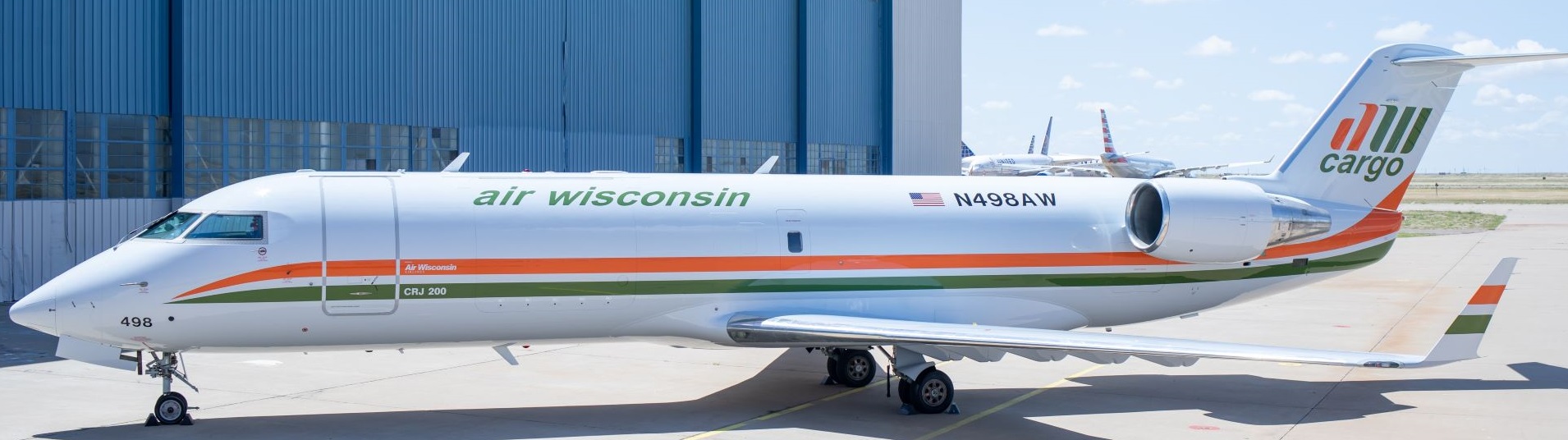
Air Wisconsin is a regional airline of the United States. It has the headquarters at Appleton International Airport, Wisconsin, the US, and the leading hub airports are O’Hare International Airport and Dulles International Airport. The major destinations covered by Air Wisconsin are Milwaukee and Columbia. It has a fleet size of 70 aircraft.
Air Wisconsin baggage policy depends heavily on the airline it operates flights for (usually United), so rules are not fixed by Air Wisconsin itself. Generally, passengers are allowed 1 carry-on bag + 1 personal item, and checked baggage usually follows the main airline’s rules (often about 23 kg per bag in Economy and 32 kg in higher cabins). On some regional aircraft or Basic Economy tickets, you may only be allowed a personal item and must gate-check larger bags for free due to limited space.
No. Air Wisconsin is not part of United Airlines, but it is a regional airline that operates flights on behalf of major airlines like United and American under contract (brand partnerships like United Express or American Eagle at different times), meaning the planes are flown by Air Wisconsin but marketed under those big airlines.
Air Wisconsin is a decent but not highly rated regional airline. As a passenger, it operates short regional flights (often for United Express), and reviews show average to below-average comfort, basic service, and older small aircraft, meaning it’s fine for short trips but not known for luxury or strong onboard experience.
Air Wisconsin didn’t disappear, but it has gone through major changes and downsizing. It lost its big airline contracts (like American Airlines) in 2025, laid off many employees, and stopped regular regional “code-share” flying. Now it mainly operates charter flights, government contracts, and Essential Air Service routes instead of being a large regional feeder airline.
Air Wisconsin Airlines is owned by a holding company called Harbor Diversified, Inc., but it was recently acquired in 2026 by CSI Aviation, making CSI Aviation its current parent company.
Air Wisconsin does not offer advance seat selection for passengers on its flights. Since it operates mostly regional flights for airlines like United, seats are usually assigned automatically during check-in, and you can only sometimes change them at the airport or through the operating airline (like United), depending on fare type. In most cases, especially on small regional aircraft, seating is first-come or system-assigned with very limited or no paid seat choice options.
Air Wisconsin is still operating, but it is much smaller and uncertain long-term. After losing major airline contracts and selling most of its assets in 2025–2026, it shifted to charter and government-contracted flying (including ICE and special operations) instead of regular passenger routes.
Air Wisconsin now has roughly 35–50 small regional jets, much smaller than in its peak years.
No. Air Wisconsin does not operate international flights. It is a U.S. regional airline that mainly flies short domestic routes between smaller cities and major hubs (like Chicago O’Hare) for airlines such as United and American under codeshare agreements.
No. Air Wisconsin is not part of American Airlines, but it has previously operated regional flights for American under the “American Eagle” brand through a contract agreement. Today, it mainly operates independently or under other contracts, not as a subsidiary of American Airlines.
Yes. Air Wisconsin is still flying in 2026, but in a much smaller and different way than before. It no longer operates regular scheduled passenger routes for major airlines and has shifted mainly to charter flights and government/contract operations (including Essential Air Service and other special missions) after losing its big airline partnerships.
Air Wisconsin’s on-time performance is generally average but varies a lot by route and contract flying. Recent data from regional flights shows on-time rates typically around 80–95% on some routes, but other periods and routes can drop into the 70% range or lower when delays stack up due to weather, connections, or operational issues.
American Airlines dropped Air Wisconsin mainly because it was downsizing its regional network and switching to more cost-efficient partners and aircraft types. Air Wisconsin was flying older CRJ-200 jets, which are less fuel-efficient and more expensive to operate, while American wanted newer, larger regional aircraft and lower operating costs through other partners.
Air Wisconsin is based in Appleton, Wisconsin, USA, where its corporate headquarters and main operations are located at Appleton International Airport. It also has crew bases and maintenance operations in other U.S. cities depending on contract flying.
Air Wisconsin handles delays by following strict U.S. Department of Transportation rules and its airline partner’s policies (usually United or American). During delays, they must keep passengers updated at least every 30 minutes, provide basic care like water and snacks after about 2 hours, and allow passengers to deplane after long tarmac delays (typically 3–4 hours depending on flight type) when possible.
The main airport to fly into Wisconsin is Milwaukee Mitchell International Airport, which is the largest and has the most direct domestic flights. Another major option is **General Mitchell International Airport is the same airport (commonly called Milwaukee Airport), but other key entry points include **Dane County Regional Airport in Madison and **Appleton International Airport for the northeast region.
In the U.S., regional airlines tend to cancel flights more often than major carriers, especially those operating small aircraft for big airlines. Recent data shows carriers like Republic Airways, PSA Airlines, and GoJet Airlines (regional partners for United, Delta, and American) have some of the highest cancellation rates, sometimes ranging from about 7% to over 20% depending on the month and operation conditions.
Yes. Air Wisconsin is still operating in 2026, but it has changed a lot. It no longer runs regular scheduled passenger flights for major airlines and instead focuses mainly on charter flights and government contracts after being acquired by CSI Aviation in 2026.
Air Wisconsin pilots typically earn about $83,000 to $125,000 per year for First Officers and about $135,000 to $230,000+ per year for Captains, with senior captains sometimes earning higher through overtime and bonuses. Pay is hourly-based (around $96/hour starting for First Officers and $150–$220+/hour for Captains) and increases with seniority, flight hours, and contracts.
Air Wisconsin hasn’t exactly “collapsed,” but it’s gone through a major upheaval and is no longer a normal regional airline.
Baggage allowance in economy class depends on the airline, but most follow a similar pattern. Typically, you get one cabin (carry-on) bag around 7–10 kg plus a small personal item (like a laptop bag). For checked baggage, many full-service airlines include 15–30 kg free, while low-cost carriers often charge separately for any checked bags. It’s always best to check your specific airline and ticket type, since “basic economy” fares sometimes include less or no checked baggage.
You can check your booked flight ticket in a few quick ways. The easiest is to visit your airline’s website or app and use the “Manage Booking” or “My Trips” section—enter your booking reference (PNR) and last name to see details. You can also check the confirmation email you received after booking, which usually includes your ticket and itinerary. If you booked through a travel site, log into that platform to view your ticket, or contact their support if needed.
Yes — Air Wisconsin is still technically in business, but not in the way it used to operate.
The two cheapest days to fly are usually Tuesday and Friday. Recent data shows Friday is often the cheapest overall, while Tuesday is also very low-cost (and less crowded).
Air Wisconsin was bought by CSI Aviation in early 2026.
The company acquired the airline from its previous owner (Harbor Diversified) as part of a deal to expand charter and government-contracted flying.
After losing its airline contracts and being bought by CSI Aviation, it stopped regular scheduled flights. Instead, its flying has shifted to charter operations, mainly tied to government work.
Its “new routes” are not public ticket routes—they are mostly charter flights between U.S. cities, especially airports near detention facilities in Texas and Louisiana, replacing its old Midwest passenger network.
Air Wisconsin has generally been considered a safe and reliable regional airline—but it’s not very relevant anymore for passengers.
The new owner of Air Wisconsin is CSI Aviation.
No — Air Wisconsin is not currently for sale anymore.
Air Wisconsin no longer has a stable set of passenger cities because it stopped normal scheduled airline service in 2025–2026.
It used to fly mostly regional routes connecting Midwest and East Coast cities to hubs like Chicago O’Hare, Milwaukee, Philadelphia, and Houston (for airlines like American and United).
Direct flights to Wisconsin mostly go to two main airports: Milwaukee (MKE) and Madison (MSN), and they are served by several big U.S. airlines.
Bad air in Wisconsin usually comes from a mix of wildfire smoke, ozone (smog), and fine particles (PM2.5). In recent years, Canadian wildfire smoke drifting south has been a big driver, spreading tiny particles that make the air hazy and unhealthy to breathe.
After booking your flight, you can choose your seat by going to the airline’s website or app and opening the “Manage Booking” or “My Trips” section. Enter your booking reference (PNR) and last name, then look for the seat selection or seat map option.
You can check seat availability before booking by using the airline’s flight search and seat map preview. After selecting your flight (but before payment), most airline websites and apps show a seat map icon, letting you see which seats are already taken and which are open.
A flight attendant base is the city or airport where a flight attendant is officially assigned to start and end their work trips. It’s basically their “home airport” for work scheduling. From their base, they receive flight assignments and usually commute (“deadhead” or self-commute) to other cities where trips begin. Bases vary by airline and can include major hubs like Chicago, Atlanta, Dallas, New York, or Los Angeles depending on the airline’s operations.
It’s still alive, but it’s no longer a normal passenger airline—it’s now a small charter operator under new ownership.
yes, seat selection is usually available after booking—but availability, timing, and fees depend on the airline and ticket type.
To check flight seat availability, go to the airline’s website or app, enter your flight details (or booking reference if already booked), and open the seat map during booking or under “Manage Booking.” This shows which seats are already taken and which are open in real time.
Yes, in most cases you can select or change your seat during web check-in.
If you forget to select a seat after booking, the airline will automatically assign you a seat before check-in or during online check-in.
To book a pet on a flight, you first need to check the airline’s pet policy and then call or add your pet through their customer service or booking section—most airlines don’t allow pet booking fully online.
There is no single statewide pet limit in Wisconsin—it depends on the city or county rules where you live.
You pay a pet fee, not a seat, and your pet must stay in a carrier during the flight.
To book a flight for a dog, you usually add your pet after booking your own ticket, not during the main booking process.
First, check the airline’s pet policy, then book your own seat. After that, go to “Manage Booking” or call the airline to reserve a spot for your dog, because airlines limit how many pets can travel per flight. Small dogs may fly in the cabin in an approved carrier, while larger dogs must go in cargo (checked transport).
Yes — Wisconsin does not follow a strict “one-bite rule” in the traditional sense.
The easiest “exotic” pets to own are usually small reptiles or invertebrates because they need less daily attention than mammals.
If your dog has to pee during a flight, it depends on where the dog is traveling.