





Your calls answered by leading travel experts in under 5 seconds.

Unpublished offers and great discounts when you book on-call.

Hand-crafted travel itinerary that meet all your travel preferences.

Round-the-clock customer service to get all your doubts clarified.
When you plan a vacation to a destination and want to book your All Nippon Airways flight tickets, then reach out to My Flight Fares. Our travel experts guide you through the booking process and help you score great airfares in your desired budget. We have flight offers from our inventory of 450+ airline options. Starting from Economy, First and Business Class tickets, My Flight Fares travel experts can give you various other services on your All Nippon Airways bookings like extra luggage, priority check-in, in-flight meals, and more.
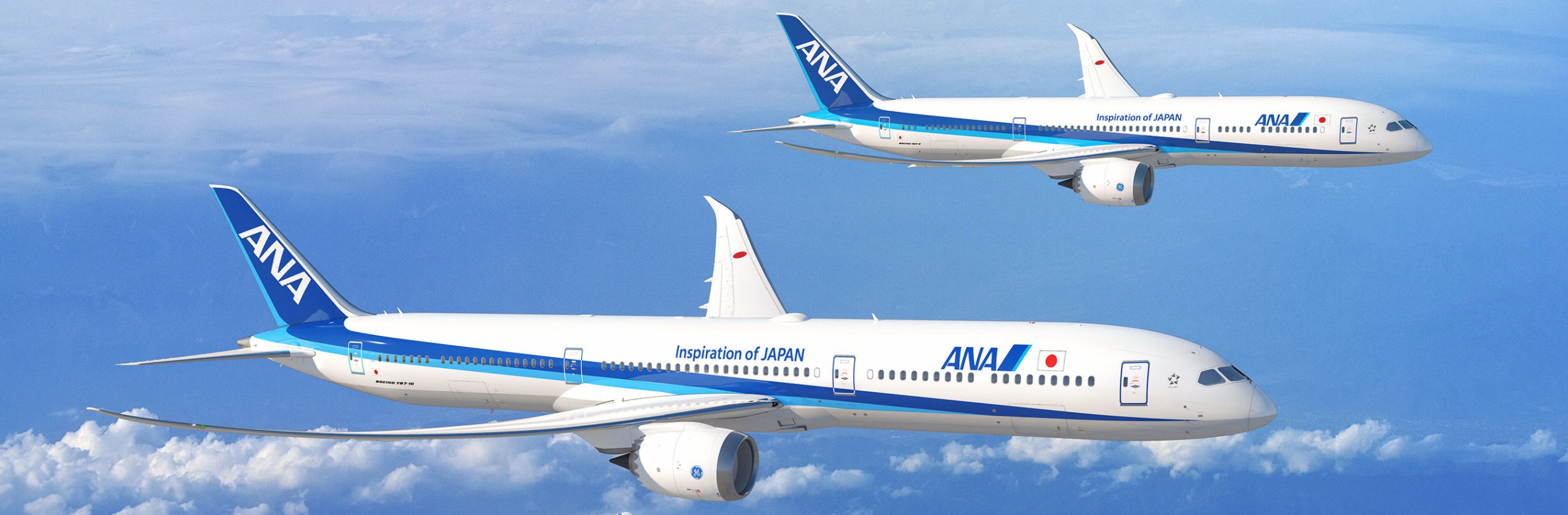
All Nippon Airways, also known as Zennikku, is the largest Airline in Japan in terms of passengers carried and revenue generated. It is headquartered in Shiodome City Centre Minato, Tokyo, Japan. The main hubs are Tokyo-Haneda and Tokyo-Narita. The focus cities of All Nippon Airways are Fukuoka, Nagoya-Chubu, Okinawa-Naha, Sapporo-Chitose. It has a fleet size of 241 aircraft.
The easiest and cheapest way to add checked luggage is online via Manage Booking or the mobile app, before arriving at the airport.
You can add baggage anytime after booking, but it’s cheaper and faster online or via the app than at the airport.
ANA includes 1–2 checked bags on most international economy fares; extra, overweight, or oversized baggage incurs $100–$200+ fees.
The cheapest and easiest way to add checked luggage is online or via the mobile app before arriving at the airport.
The best method is online or via the mobile app before you get to the airport to save time and money.
Most ANA passengers get at least one free checked bag, with more allowed for premium classes or elite members. Extra or overweight bags incur fees.
The cheapest and fastest way to add extra baggage is online or via the app before arriving at the airport.
20 kg is generally within the standard checked bag limit for most airlines. Costs range from free on some international carriers to $30–$40 on U.S. domestic airlines.
To save money, add checked bags online either during booking or via Manage Booking / the airline app—avoid adding them at the airport if possible.
Extra baggage cost per kg varies widely: international airlines often charge $30–$50 per kg, while U.S. airlines usually charge per bag, not per kg.
Splitting 30 kg into two bags under the per-bag weight limit is allowed. Make sure neither bag exceeds the airline’s maximum weight or size, or you’ll pay extra fees.
ANA is considered one of the safest and most reliable airlines, with excellent service and comfort, making it a strong choice for both domestic (Japan) and international flights.
A 20 kg bag is usually within standard limits, but adding it at the airport can cost $5–$20 more (domestic) or $100+ (international) than prepaying online.
You can add checked luggage anytime after booking, but it’s cheaper and faster online or via the app than at the airport.
You can usually add checked baggage after checking in, but it’s cheaper to add online before arriving at the airport.
You can add checked bags after booking, but it’s cheaper and faster to do it online or via the app rather than at the airport.
Extra baggage typically costs $30–$40 per bag domestically, and $100–$200 internationally, with higher fees for overweight or oversized bags.
Rules are stricter for carry-on sizes, checked bag fees remain common, and airlines increasingly use digital tools for tracking and managing baggage efficiently.
The cheapest and fastest way to add extra baggage is online via Manage Booking or the ANA app before going to the airport.
Yes, you can bring 2 bags totaling 30 kg, as long as neither bag exceeds the airline’s per-bag weight limit. This avoids overweight fees.
Checked baggage typically costs $30–$40 for the first bag domestically and $100–$200 internationally, with higher fees for overweight or extra bags.
Both ANA and JAL are world-class airlines. If you want slightly better Business Class, JAL may edge out. For frequent flyer flexibility and polished service, ANA is a strong choice. Choice often comes down to route convenience and personal loyalty program preference.
ANA offers comfortable seating for all classes, with Economy being solid for long flights and Premium, Business, and First Class being excellent. Long-haul flights on modern aircraft are particularly pleasant.
ANA is premium and highly reliable, with luxury-level comfort in Business and First Class, while Economy remains high quality but standard.
You can add extra baggage anytime after booking, but it’s cheaper and faster to do it online or via the app than at the airport.
Extra baggage usually costs $30–$40 domestically and $100–$200 internationally, with higher fees for overweight or oversized bags.
ANA typically allows two checked bags on international flights, with each bag under the per-bag weight limit to avoid extra fees.
ANA is a 5-star airline, known for world-class service, comfort, and reliability, particularly on long-haul international flights.
JAL is often more expensive because of route focus, fare flexibility, and perceived premium service, while ANA tends to have more competitive pricing options.
ANA Premium Economy is comfortable, spacious, and well-serviced, making it a good value for long international flights.
ANA extra baggage costs $100–$200 for international flights and $18–$25 for domestic flights, with higher fees for overweight or oversized items.
ANA is one of the world’s safest airlines, with an excellent safety record, modern aircraft, and high operational standards.
Upgrading to JAL Premium Economy is worth it for comfort and amenities, especially on long international flights, offering a good balance between Economy and Business Class.
ANA Premium Economy offers more space, better seats, upgraded meals, and enhanced service compared to Economy, making it a comfortable middle ground between Economy and Business Class.
The best seat depends on your priority—legroom, sleep, access, or views. Exit rows and bulkheads are best for space, windows for views, aisles for convenience.
ANA is considered excellent due to its safety, service quality, modern fleet, and comfort, consistently earning 5-star airline ratings.
The easiest and cheapest way to add extra baggage on ANA is online through Manage Booking or the mobile app before you arrive at the airport.
A 2 kg overweight bag will usually incur a small fee, which is cheaper to pay online or redistribute than paying at the airport.
ANA Economy Class usually allows 1 checked bag up to 23 kg and 1 carry-on up to 10 kg, with variations depending on your route and fare.
ANA and JAL are both excellent airlines. Your choice depends on price, route convenience, and frequent flyer preferences—there’s no clear “better” overall.
Safety rankings are often based on factors like fatality-free records, incident history, fleet age, and international safety audits (e.g., AirlineRatings.com, JACDEC). As of recent rankings, the top 10 safest airlines typically include:
ANA = All Nippon Airways, meaning “All Japan Air Transport”, symbolizing a nationwide and international Japanese airline.
2 lakh INR is generally sufficient for a week-long Japan trip on a moderate budget, covering flights, accommodation, transport, food, and sightseeing. It won’t be luxury, but it’s comfortable.
You can show affection, like holding hands, but full-on public kissing is uncommon and may draw attention. Discretion is key in Japan.
Book tickets on Tuesday or Wednesday and plan to fly mid-week for the cheapest airfare.
ANA Premium Economy is worth it for comfort, extra space, and enhanced service, especially on long international journeys.
ANA Premium Economy offers better seats and service, but lounge access is not included unless you have elite status or pay extra.
The “3-seat economy trick” lets you stretch out in an empty row for extra comfort, but it depends on availability and crew approval.
ANA Economy Class usually includes 1 free checked bag, with more bags allowed in Premium Economy, Business, and First Class.
ANA enforces baggage rules strictly, especially for weight and size, and fees apply for overweight or oversized bags.
Seat 11A may lack recline, under-seat storage, or be near noise, so avoid it if you value comfort and personal space—though it can be good for extra legroom.
ANA and JAL are equally excellent in safety, service, and comfort. ANA may be slightly cheaper and better for mid-range travelers, while JAL can offer a more premium feel on some routes. The “better” airline depends on your priorities and travel plans.
ANA allows 1 checked bag for Economy, with more for Premium Economy, Business, and First Class. Carry-on allowance is 1 bag + 1 personal item, usually up to 10 kg.
ANA Economy is comfortable for standard economy travel, especially on long-haul flights, with good legroom, service, and amenities.
ANA Mileage Club is worth joining—you earn miles, get rewards, and frequent flyers gain valuable perks like lounge access and priority services.
ANA is pronounced “A–N–A”, spelling out each letter individually.
You can upgrade ANA Economy to Premium Economy online, at check-in, or using miles, but availability and cost vary, so plan ahead for the best chance.
Avoid rear, middle, and high-traffic areas if comfort and quiet matter, and check specific aircraft layouts before booking.
You can sleep comfortably in Premium Economy, especially on long-haul flights, thanks to extra space, better recline, and enhanced amenities.
ANA allows two free checked bags only in Premium Economy and above; Economy gets one free checked bag.
For overall comfort, safety, and service, ANA and JAL are the top choices. Low-cost carriers are fine for short domestic trips.
Air Japan isn’t officially “closed,” but its operations may be scaled back or merged into ANA for efficiency and cost reasons.
In 2026, expect strict size and weight enforcement, limited carry-ons, and some low-cost carriers charging for cabin bags. Compliance is key to avoid extra fees.
Rare girl names are usually mythical, literary, or very old-fashioned, like Zephyra, Calliope, or Ariadne, making them unique and memorable.
Sophia (or Sofia) is often considered the most popular girl name globally in recent years.
Upgrading to Premium Economy can cost a few hundred dollars or some miles, depending on airline, route, and ticket type. Booking early often saves money.
You can sleep comfortably in Premium Economy, especially on long-haul flights, thanks to extra space, recline, and enhanced amenities.
You cannot usually pay directly to enter an ANA lounge; access is reserved for premium class passengers or elite members.
Extra baggage fees typically range from $50–$150 per bag internationally, depending on airline, route, and weight, with overweight charges extra.
ANA and JAL are equally excellent. ANA may be slightly better for cost-conscious travelers, while JAL can feel more premium on certain routes. Safety and service are top-notch for both.
ANA membership is free, and you can start earning rewards and benefits immediately after joining.
The nickname for All Nippon Airways is simply ANA, pronounced A–N–A.
Ana is a female name, popular in many countries and cultures.
Is ANA a Chinese airline?
Japan Airlines is not called ANA; they are two distinct airlines in Japan.
ANA Premium Economy is generally worth it for comfort, space, and amenities, especially on long-haul flights.
ANA checked baggage limits range from 23kg in Economy to 32kg in Business/First, and carry-on is limited to 10kg.
ANA does offer free checked bags, with 1–3 bags depending on class; Economy gets 1 free bag internationally.
ANA membership is free and worth it, especially if you plan to fly ANA or Star Alliance airlines, because it gives miles, perks, and potential upgrades at no cost.
Becoming an ANA member costs $0—it’s completely free.
An ANA profile does not cost anything—it’s free to create and use.
ANA = All Nippon Airways, a major Japanese airline.
ANA screening itself is usually 10–30 minutes, but for smooth travel, plan 2–3 hours for international flights.
ANA screening is standard airport security: document check, X-ray baggage scan, body scan, and compliance with liquid/electronics rules.
If you mean ANA baggage allowance, it’s normal for Economy passengers to have 1 free checked bag up to 23kg (50lbs) on international flights. Carry-on is usually 1 bag up to 10kg (22lbs). Premium Economy, Business, and First Class have higher allowances. Always check your ticket, as allowances can vary by route and fare type.
ANA Airways = All Nippon Airways, a top Japanese airline.
You can add baggage to an ANA booking, and it’s best to do it online in advance to save money.
ANA reservations may not appear due to incorrect details, timing, or booking through a partner; double-check information or contact customer support.
ANA check-in can be done online, at kiosks, or at counters, with boarding passes printed or on your mobile device.
Yes, when you book a flight and receive an e-ticket from the airline, your seat is usually automatically confirmed.
Your ANA reservation number is a 6-character code found in your confirmation email, e-ticket, or ANA account.
ANA allows 23kg per bag in Economy, more in higher classes, with 1 carry-on up to 10kg.
You can pick ANA seats during booking, after booking online, or at online check-in 24–75 hours before departure.
Online check-in is usually faster and more convenient, while airport check-in is mainly for baggage or special needs.
The 10-digit ANA number is your Mileage Club member ID, used for tracking miles and benefits.
ANA and Air Japan are connected, but separate; ANA is the parent airline, and Air Japan handles some domestic/regional routes.
ANA is recognized as a 5-star airline, offering top-notch service and comfort across all classes.