





Your calls answered by leading travel experts in under 5 seconds.

Unpublished offers and great discounts when you book on-call.

Hand-crafted travel itinerary that meet all your travel preferences.

Round-the-clock customer service to get all your doubts clarified.
When you plan a vacation to a destination and want to book your Egyptair flight tickets, then reach out to My Flight Fares. Our travel experts guide you through the booking process and help you score great airfares in your desired budget. We have flight offers from our inventory of 450+ airline options. Starting from Economy, First and Business Class tickets, My Flight Fares travel experts can give you various other services on your Egyptair bookings like extra luggage, priority check-in, in-flight meals, and more.
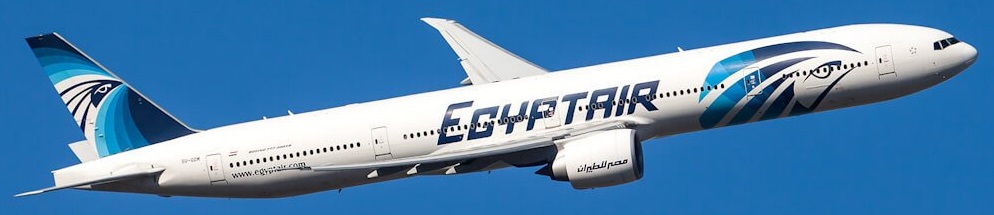
EgyptAir is the national airline of Egypt and it operates several domestic and international flights. It is one of the most trusted airlines of the Middle East and Africa with a network of flights that operate to nearly 80 destinations all over the world. Egyptair has its hub airport as Cairo International Airport and its headquarters in EgyptAir Administrative Complex Cairo, Egypt.
You can check your flight ticket status by visiting your airline’s official website or app and entering your PNR/booking reference and last name in the “Manage Booking” or “Flight Status” section, or by using airport/travel apps like FlightAware, Trip.com, or MakeMyTrip; if you tell me the airline name, I can guide you directly.
To check in for your EgyptAir flight, go to the official online check-in page on EgyptAir Web Check‑in between 48 hours and 90 minutes before departure, enter your booking reference/e-ticket number and last name, choose your seat, and download or print your boarding pass; if you have checked baggage, drop it at the airport baggage counter at least 1 hour before departure.
You can change your EgyptAir booking by going to the official “My Bookings” page at EgyptAir Manage Booking, entering your booking reference (PNR) and last name, then selecting “Change flights” to modify your travel date or time; fare differences or change fees may apply depending on your ticket type, and some bookings like multi-city or no-show tickets may not be changeable online.
You can contact EgyptAir customer service through their official support page at EgyptAir Contact Center or EgyptAir Contact Us; main numbers include +1-855-551-1040 (landline within Egypt), 1717 (mobile within Egypt), and international support numbers like +1-855-551-1040, plus email support at [email protected].
You can check in for your flight online by visiting your airline’s website or app, opening the “Check-in” or “Manage Booking” section, and entering your PNR/booking reference and last name; after confirming passenger details and selecting seats, download or print your boarding pass, usually available 24–48 hours before departure.
You can check in online for an EgyptAir flight starting 48 hours before departure and up to 90 minutes before the scheduled flight time through their website or mobile app.
Yes, some EgyptAir tickets are refundable, but it depends on the fare type and booking conditions; discounted or promotional fares may be partially refundable or completely non-refundable, while refundable tickets can usually be canceled with applicable service or cancellation fees deducted.
EgyptAir flight change fees depend on your ticket type, route, and fare rules; generally, changes may include both a change fee and any fare difference, with some reports mentioning around USD 30 for domestic flights and USD 75 for international flights, though flexible tickets may have lower or no fees. You can check the exact fee in your booking under EgyptAir My Bookings.
Online check-in is usually better because it saves time, lets you choose seats early, avoids long airport queues, and gives you a digital boarding pass before you arrive; airport check-in is better only if you need special assistance, document/visa verification, or have issues with baggage or booking changes.
EgyptAir extra baggage charges depend on your route and weight, but for most international flights an additional 23 kg checked bag usually costs around USD 115–225 if prepaid online or through the call center, while airport prices are higher; for example, Middle East routes are about USD 115 and Europe routes about USD 135 online.
The EgyptAir booking reference, also called the PNR (Passenger Name Record), is a unique 6-character code made of letters and numbers that identifies your reservation; you can find it in your confirmation email, e-ticket, or SMS and use it for check-in, managing bookings, or checking flight status.
Your flight ticket is confirmed if you have a PNR (booking reference) and an e-ticket number in your confirmation email or SMS, and your booking shows “confirmed” or “ticketed” in the airline’s “Manage Booking” section; you can also verify it on the airline website using your PNR and last name or by calling customer service to confirm your seat and ticket status.
You can check your ticket using your PNR by going to your airline’s official website or app, opening the “Manage Booking” or “Check Booking” section, entering your 6-character PNR and your last name, and then viewing your flight details like status, seat, baggage, and ticket confirmation; you can also use airport kiosks or call the airline support if needed.
Yes, the PNR number and booking reference are the same thing—a 6-character alphanumeric code used to identify and access your flight reservation, so you can use either term when checking in, managing your booking, or tracking your ticket status.
Yes, you can usually check in using your booking reference (PNR) along with your last name on the airline’s website, mobile app, or airport kiosks, and it will pull up your reservation so you can select seats, confirm details, and get your boarding pass.
EgyptAir baggage allowance depends on your ticket and route, but generally Economy Class allows 1 checked bag up to 23 kg, while Business Class allows 2 checked bags up to 32 kg each; plus you can carry 1 cabin bag up to 8 kg. Some fares may allow only one 23 kg bag or extra baggage depending on the ticket type, and each bag must not exceed 32 kg for safety rules.
For EgyptAir, the fee to change your flight date depends on your ticket type and route, but typically you pay a change fee plus any fare difference, with common estimates being about USD 30 for domestic flights and around USD 75 for international flights, though flexible tickets may have lower or no change fee; you can confirm the exact amount in “Manage Booking” because the final cost always depends on fare rules and seat availability.
Yes, EgyptAir is generally strict with baggage, especially at check-in and boarding; they usually enforce the 23 kg checked bag limit in Economy and 8 kg cabin baggage limit, and anything overweight or oversized is charged extra without much flexibility, though staff attitude can vary by airport, so it’s best to stay within limits to avoid fees or delays.
“2PC baggage allowance” on EgyptAir means you are allowed to check in 2 separate bags (2 pieces) instead of just one, and each bag has its own weight limit (usually 23 kg each in Economy or 32 kg each in Business)—so it is not total weight combined, but per bag limit, and this applies per passenger depending on your fare and route.
EgyptAir allows 1 piece of hand luggage up to 8 kg in Economy Class and up to 2 pieces totaling 8 kg in Business Class, with standard size limits so it fits in the overhead bin or under the seat; in addition, you can usually carry small personal items like a laptop bag or handbag depending on the fare rules.
Checked baggage cost depends on the airline and route, but typically ₹400–₹700 per kg for domestic flights in India and about USD 100–250 (₹8,000–₹20,000+) per extra bag or heavy weight on international flights, with airport rates usually higher than online pre-booking; budget airlines charge more strictly, while full-service airlines like EgyptAir include baggage and only charge if you exceed your allowance.
On EgyptAir, the number of checked bags depends on your ticket type and route, but usually Economy Class allows 1 or 2 checked bags (23 kg each) and Business Class allows 2 checked bags (32 kg each); some cheaper fares may allow only 1 bag, while premium or frequent flyer tickets can include extra baggage.
EgyptAir baggage allowance depends on your ticket and route, but generally Economy Class allows 1 checked bag up to 23 kg, while Business Class allows 2 checked bags up to 32 kg each; in addition, you can carry 1 cabin bag up to 8 kg.
For EgyptAir Economy Class, the standard checked baggage allowance is usually 1 piece up to 23 kg per passenger, though some international fares may allow 2 pieces (23 kg each) depending on your ticket and route; in addition, you get 1 cabin bag up to 8 kg for hand luggage.
Yes, you can bring food on an EgyptAir flight, but it must be non-liquid or solid food like sandwiches, snacks, fruits, or dry items, and it should not have strong smells or violate customs rules of your destination; liquids, sauces, or yogurt-type foods are restricted under cabin liquid rules (usually max 100 ml containers) and must be packed properly for security checks.
On EgyptAir flights, food is free and usually halal-certified, and the menu depends on your route and flight duration; in Economy Class you typically get 1 main meal (chicken, beef, fish, or vegetarian option) plus bread, salad, dessert, and drinks like juice, tea, or coffee, while on longer flights you may get a second light meal or snack, and in Business Class you get a more varied multi-course meal with better presentation and extra choices like desserts and cheese.
No, EgyptAir is generally considered an alcohol-free (dry) airline, meaning they do not serve alcohol on board and passengers are not officially allowed to consume their own alcohol during the flight; instead they focus on non-alcoholic drinks like juices, tea, coffee, and soft drinks.
Yes, EgyptAir does have a 24-hour cancellation policy—if you book directly through their website or call center and your flight is at least 7 days away, you can cancel within 24 hours and usually get a full refund with no penalty, but after that window, normal fare rules apply and fees may apply depending on your ticket type.
EgyptAir refunds usually take up to 21 working days after the refund request is submitted to be processed back to your original payment method, but depending on your bank or card issuer it can sometimes take a few extra days or even a couple of weeks more to appear in your account.
Yes, you can change your EgyptAir ticket online through the official “My Bookings / Manage Booking” section on their website or app by entering your PNR (booking reference) and last name, then selecting “Change flights” to modify your date or time, but the option only works if your fare rules allow changes and you may still have to pay a change fee plus any fare difference.
No, EgyptAir does not have a separate Premium Economy cabin on most flights; it mainly offers Economy Class and Business Class, so if you want more comfort you need to upgrade to Business Class or choose extra-legroom seats in Economy instead.
It depends on the airline fare rules, but with EgyptAir you can usually get a full refund if you cancel within 24 hours of booking (and your flight is at least 7 days away), while after that period refunds are still possible for refundable tickets but may include cancellation fees and take up to about 21 working days to process, so the earlier you cancel, the better your chances of a full refund.
Yes — EgyptAir generally has a 24-hour cancellation policy, meaning you can cancel your ticket within 24 hours of booking and get a full refund (no penalty) as long as you booked directly with the airline and your flight is usually at least 7 days away; after that 24-hour window, normal fare rules and fees apply depending on your ticket type.
Yes, EgyptAir does offer WiFi on some flights, but not on all aircraft; it’s available mainly on certain newer planes like the Boeing 787 Dreamliner and some Airbus models, and it is usually a paid service (not free for most passengers), while older aircraft have no WiFi at all, so availability depends on your specific flight.
EgyptAir reviews are mixed to negative overall: many passengers like its wide network and reasonable prices, but a large number of recent reviews complain about poor customer service, frequent delays, and baggage issues, with ratings around 2.5–3/5 on average across travel sites. Community feedback is very inconsistent—some travelers say flights are “fine and safe,” while others report rude staff, lost luggage, and weak communication during disruptions, making it more of a basic full-service airline rather than a premium experience.
In EgyptAir, Class Z is a deeply discounted Economy fare bucket; it usually comes with a lower price but strict restrictions, such as limited or no free changes, higher cancellation fees, and sometimes reduced mileage earning compared to higher fare classes, while still giving you standard Economy services like seat, baggage allowance, and meals depending on the route.
Yes, EgyptAir does not have a true premium economy cabin, but reviews online are mixed because people sometimes confuse “extra-legroom economy seats” with premium economy; official info shows they mainly operate Economy and Business Class only on most routes. Community reviews of EgyptAir overall are also mixed, with some travelers saying the experience is “okay for the price” while others complain about old cabins, inconsistent service, and delays, so comfort is generally seen as basic economy rather than premium-level luxury.
Yes — EgyptAir gives free food on most flights. On international flights, Economy Class passengers receive complimentary halal meals and drinks included in the ticket price, and longer flights may include a second meal or snack, while Business Class gets more meals and choices; even special dietary meals can be requested at no extra cost.
You can complain to EgyptAir through their 24/7 call center +1-855-551-1040, their official website contact form, email support, or by visiting a local office like airport service counters or city offices; the fastest option is usually calling or submitting a complaint online via their “Contact Us” page, where you can enter your booking details and issue so they can track and respond.
EgyptAir delays are fairly common but not extreme, with most reports and flight data showing roughly 60–85% of flights arriving on time depending on the route, meaning about 15–40% may face some delay, usually averaging 15–40 minutes, though some routes can be worse during busy seasons or weather/air traffic issues; overall it’s considered a moderately punctual airline but not among the most consistent globally.
On EgyptAir, Class C refers to Business Class, which offers a higher level of comfort than Economy, including wider seats (often reclining to lie-flat on long-haul flights), priority check-in and boarding, extra baggage allowance, lounge access at airports, and premium meals and drinks, making it the airline’s top service cabin.
EgyptAir is moderately strict with baggage, especially at check-in, meaning they do enforce the rules on weight (23 kg Economy, 32 kg Business), number of bags, and cabin baggage (8 kg limit) quite consistently, and if you exceed limits you will usually be charged excess fees rather than getting a warning; however, passengers often report that while staff are firm about weight and oversized bags at the counter, they are sometimes a bit flexible with small carry-ons depending on the airport and load, so it’s safest to stay within limits because enforcement is real but not overly harsh if you comply.
Extra baggage on EgyptAir usually costs around USD 115–250 (₹10,000–₹20,000) per additional 23 kg bag, depending on your route, and it’s cheaper if you pay online before the flight rather than at the airport where fees are higher.
Based on overall reviews, rankings, and passenger feedback, Air Cairo and Nile Air are generally rated slightly better for comfort and punctuality, while EgyptAir is the largest and most global but gets mid-level ratings due to inconsistent service and delays; smaller airlines like Nesma or Sky Vision usually rank lower in reliability. Overall, Egyptian airlines are considered safe but average in service quality compared to top global carriers, with Air Cairo often ranked #1 locally and EgyptAir around #2 in Egypt.
No, EgyptAir does not serve alcohol on board; it is considered a “dry airline,” meaning no beer, wine, or spirits are offered and passengers are generally not permitted to consume their own alcohol during the flight, with only non-alcoholic drinks like juice, tea, coffee, and soft drinks available instead.
EgyptAir baggage allowance depends on your ticket and route, but generally Economy Class allows 1 checked bag up to 23 kg (sometimes 2 bags on certain international fares) and Business Class allows 2 bags up to 32 kg each, plus 1 cabin bag up to 8 kg; the exact allowance can vary by fare type, so it’s always best to check your booking details.
EgyptAir is fairly strict with carry-on baggage, especially at check-in and boarding, and they usually enforce the 8 kg weight limit and size rules (about 55 × 40 × 23 cm); in most cases they will weigh your hand luggage and may ask you to combine items if you exceed the limit, and anything over can be moved to checked baggage with extra fees, although small personal items like a laptop bag or handbag are often allowed but not officially guaranteed.
Yes, EgyptAir does allow personal items like a handbag, laptop bag, or small backpack in addition to your carry-on, as long as it can fit under the seat and is within security rules; these items are generally included in your hand baggage allowance rather than counted separately, and they may still be checked for size/weight at the airport if they look large or heavy.
Yes — EgyptAir gives free food on most flights. In Economy and Business Class on international flights, your ticket includes complimentary halal meals, snacks, and non-alcoholic drinks, so you don’t pay extra for food; only special items or upgrades might cost more, but standard onboard meals are included in the fare.
No, EgyptAir does not offer free WiFi on most flights; WiFi is available only on select newer aircraft and is usually a paid service, with some exceptions where limited free messaging or short-time browsing may be offered on certain modern planes, but it’s not standard across the fleet.
No, EgyptAir does not provide alcohol on its flights; it is a “dry airline”, meaning no beer, wine, or spirits are served and passengers are generally not allowed to consume their own alcohol on board, with only non-alcoholic drinks like juice, tea, coffee, and soft drinks available instead.
On EgyptAir, prohibited items include anything dangerous or illegal such as explosives, flammable materials, gases, corrosives, toxic substances, and sharp weapons like knives, swords, or firearms (unless properly declared and packed in checked baggage for sporting purposes); in carry-on luggage, liquids over 100 ml, aerosols, gels, and similar items are restricted, and items like power banks must stay in hand baggage only, while valuables such as money, jewelry, passports, and electronics are not recommended in checked baggage for safety reasons.
Yes — most EgyptAir long-haul and international flights have seatback TV screens or an in-flight entertainment system, where you can watch movies, TV shows, music, and kids’ programs, but it depends on the aircraft because some older planes do not have individual screens and instead use shared or streaming entertainment via your device.
Yes — EgyptAir has movies on board as part of its in-flight entertainment system; most international flights offer a selection of new releases, world movies, Arabic films, TV shows, and series that you can watch on seatback screens or onboard systems depending on the aircraft, although availability varies by plane.
The top Egyptian airlines are generally ranked with Air Cairo as #1 for better comfort and punctuality, EgyptAir as #2 due to its wide network but average service and delays, followed by Nile Air and smaller carriers like Nesma, which offer more basic and less consistent service; overall, they are safe but mostly considered mid-range compared to global airlines.
EgyptAir seats are generally considered average to moderately comfortable, especially in Economy where you get basic padding and standard legroom, but they are not as spacious or modern as top airlines; on long-haul flights some passengers find them fine for sitting and sleeping, while others say the cabin feels a bit old, whereas Business Class seats are noticeably more comfortable with better space and reclining, though still not ultra-luxury compared to leading global carriers.
The last fatal EgyptAir crash was on 19 May 2016 (Flight MS804) when an Airbus A320 flying from Paris to Cairo crashed into the Mediterranean Sea, killing all 66 people on board, and since then EgyptAir has not had any fatal crashes.
You can pick your seat on EgyptAir by going to their website or mobile app, opening the “Manage Booking” or “Web Check-in” section, entering your booking reference (PNR) and last name, and then selecting an available seat from the seat map; you can usually choose seats for free or for a fee depending on your fare type, and selection is also available during online check-in (about 48 hours before departure).
EgyptAir is known as Egypt’s national airline and one of Africa’s oldest carriers, offering a large global network connecting Europe, the Middle East, Africa, and North America via Cairo; it is also known for providing full-service flights with free meals, checked baggage on most fares, and halal catering, but it has a reputation for average service quality and occasional delays compared to top global airlines.
EgyptAir is generally ranked as a mid-tier global airline, usually receiving a 3-star rating from Skytrax and placing around the top 70–100 airlines worldwide in recent rankings; it is also considered one of Africa’s leading airlines and has been ranked among the top in the continent in some recent years, but it is not in the top premium global group like Emirates or Qatar Airways due to average service consistency and delays.
EgyptAir mainly uses a mixed modern fleet of Airbus and Boeing aircraft, including Airbus A320, A320neo, A321, A330, and the new A350, plus Boeing 737-800 and Boeing 787 Dreamliner for long-haul flights, so the exact plane depends on your route and distance.
EgyptAir is generally better overall than Nile Air because it is the national carrier with a much larger fleet, more destinations, better international connections, and more consistent full-service flights (meals, baggage, long-haul routes), while Nile Air is a smaller private airline that is cheaper but has more mixed reviews for delays and service consistency. However, Nile Air can be fine for short regional flights if you want lower prices, but for reliability and long-distance travel, most passengers prefer EgyptAir.
Yes — EgyptAir has a generally good safety record today, and it is considered a safe airline to fly with. It is an IOSA-certified carrier and meets international aviation safety standards, with no fatal crash in recent years since 2016, and it continues to pass regular safety audits and inspections. While it has had past incidents decades ago and some historical accidents, its modern operations are aligned with global safety requirements, and it is not considered unsafe compared to other major international airlines.
The most recent fatal EgyptAir crash was on 19 May 2016 (Flight MS804), when an Airbus A320 flying from Paris to Cairo crashed into the Mediterranean Sea, killing all 66 people on board; before that, the airline had a few older incidents, but there has been no fatal crash since 2016.
The last fatal EgyptAir crash was on 19 May 2016, when EgyptAir Flight MS804 (Airbus A320) crashed into the Mediterranean Sea while flying from Paris to Cairo, killing all 66 people on board. Since then, no EgyptAir aircraft has had a fatal crash.
Yes, EgyptAir has had a few crashes in its history, but most were decades ago; the most recent and well-known was Flight MS804 in 2016, which crashed into the Mediterranean Sea killing all 66 people on board, and earlier incidents include events in the 1970s–2000s, but overall the airline has had very few fatal accidents relative to its long operating history, and modern operations are considered safe.
The best airport to fly into Egypt is usually Cairo International Airport (CAI), as it’s the country’s main hub with the most international connections, easiest transfers, and access to major attractions like the Pyramids; however, for beach trips you might prefer Hurghada International Airport (HRG) for the Red Sea resorts or Sharm El Sheikh International Airport (SSH) for Sinai destinations, depending on where you’re staying.
For EgyptAir international flights, Economy Class usually allows 1 checked bag up to 23 kg (about 50 lbs) on most fares, while Business Class allows 2 checked bags up to 32 kg each (about 70 lbs each); however, some international tickets may offer 2 × 23 kg in Economy depending on the fare type and route, so the exact allowance always depends on your booking details.