





Your calls answered by leading travel experts in under 5 seconds.

Unpublished offers and great discounts when you book on-call.

Hand-crafted travel itinerary that meet all your travel preferences.

Round-the-clock customer service to get all your doubts clarified.
When you plan a vacation to a destination and want to book your Finnair flight tickets, then reach out to My Flight Fares. Our travel experts guide you through the booking process and help you score great airfares in your desired budget. We have flight offers from our inventory of 450+ airline options. Starting from Economy, First and Business Class tickets, My Flight Fares travel experts can give you various other services on your Finnair bookings like extra luggage, priority check-in, in-flight meals, and more.
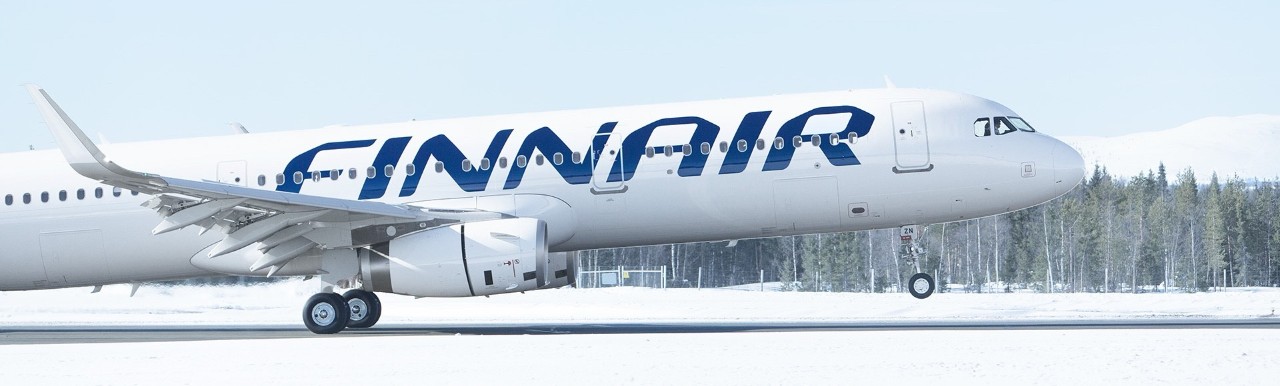
Finnair is the largest airline of Finland and their national carrier as well. The airline has its headquarters in Vanta on Helsinki Airport that is also the hub of the airline. Finnair and its subsidiaries are the major contributors to air travel in Finland as they cover major domestic and international routes. Finnair has a fleet size of 84 in-service aircraft that serve over 116 destinations of the world.
You can check your Fiji Airways flight bookings by visiting their website or app, selecting “Manage Booking” or “My Trips,” and entering your booking reference and last name, which will show flight details, seat assignments, and options to make changes.
Finnair tickets are not always fully refundable; it depends on the fare type—flexible or business fares are usually refundable (sometimes with a fee), while economy and discounted tickets often have restrictions or no refund, though changes may be allowed for a fee.
Yes, Finnair is generally considered a good airline, known for punctuality, safety, clean cabins, and efficient service, with strong connectivity between Europe and Asia, though in-flight amenities can be more basic on short-haul flights.
The refund amount depends on your ticket type and fare rules: fully flexible or refundable tickets usually return most or all of the paid fare, minus any service fees, while non-refundable or discounted fares often return little to no money, sometimes only taxes and fees.
It depends on priorities: Emirates is generally rated higher for luxury, in-flight entertainment, and long-haul comfort, while Finnair excels in punctuality, efficiency, and short Europe–Asia routes; overall, Emirates is more premium, Finnair more practical.
Yes, Finnair provides complimentary meals and snacks on most long-haul international flights, including breakfast, lunch, or dinner depending on the flight, while on short European flights, food may be limited or available for purchase depending on the fare class.
No, Finnair is not officially a 5-star airline; it is typically rated 3–4 stars by airline rating agencies, recognized for safety, punctuality, and efficient service, but it doesn’t match the luxury or extensive amenities of true 5-star carriers like Emirates or Singapore Airlines.
Finnair economy seats are generally adequate but not spacious, with standard 17–18 inch width and 30–32 inch pitch, offering basic comfort for short to medium flights, though long-haul travelers may find legroom limited compared to premium airlines.
Both are reputable, but Swiss Air is generally considered slightly better for overall service, comfort, and premium experience, especially on long-haul flights, while Finnair excels in punctuality and efficient Europe–Asia connections; choice depends on route and priorities.
No, Finnair is generally punctual, with a good on-time record compared to many European airlines, though occasional delays can occur due to weather, air traffic, or operational issues.
Yes, Finnair flies to India, primarily connecting Helsinki with cities like Delhi and Mumbai, often via direct or one-stop routes, offering convenient Europe–India travel.
Finnair operates a mixed fleet of Airbus and Embraer aircraft, including Airbus A320/A321 for short- to medium-haul flights and A330/A350 for long-haul routes, but it does not currently use Boeing planes.
Yes, Finnair provides complimentary water and non-alcoholic drinks to all passengers on both short-haul and long-haul flights, with additional beverages and meals depending on the flight and class.
Yes, you can bring your own food on Finnair, including snacks and meals, but liquids over 100ml must follow standard security rules, and some restrictions apply for international customs when entering other countries.
Finnair lounges are free only for business class passengers, Finnair Plus Platinum and Gold members, and oneworld Sapphire or Emerald members; other travelers can access them for a fee, usually around €35–€50 depending on the location.
The best economy seat on Finnair is usually a window seat for views and fewer disturbances, an aisle seat for legroom and easy access, or a bulkhead/exit-row seat for extra legroom, keeping in mind that exit rows may have restrictions and some seats near lavatories can be noisy.
Finnair economy offers standard legroom of about 30–32 inches, which is typical for European carriers—comfortable for average-height passengers but may feel tight on long-haul flights; bulkhead and exit-row seats provide extra space.
You can choose a seat on Finnair by selecting it during booking, through the “Manage Booking” section on their website or app, or during online check-in, though some preferred or extra-legroom seats may incur an additional fee.
Emirates is generally considered better for luxury, long-haul comfort, in-flight entertainment, and premium service, while Finnair is more practical for punctuality, efficient Europe–Asia connections, and shorter flights; Emirates excels in experience, Finnair in efficiency.
Flying Finnair is generally comfortable and efficient, with punctual departures, clean cabins, polite service, and decent meals on long-haul flights, though economy legroom is standard, and in-flight entertainment can be basic on shorter routes.
As of now, Finnair does not have major ongoing problems; like all airlines, it can face occasional delays, strikes, or operational disruptions, but it remains generally reliable and financially stable.
As of now, Finnair does not have major ongoing problems; like all airlines, it can face occasional delays, strikes, or operational disruptions, but it remains generally reliable and financially stable.
The airline often cited as the most delayed globally is Spirit Airlines, based on on-time performance statistics in recent years, with frequent short-haul delays due to tight schedules and operational challenges, though rankings can vary yearly and by region.
Yes, Finnair sometimes offers last-minute upgrades at check-in or the gate, usually at a discounted rate if business or premium seats are available, but these offers are limited and not guaranteed.
Yes, Finnair is very safe, operating a modern fleet maintained to strict international standards, with a strong safety record, regulatory compliance, and no major accidents in recent decades.
The flight distance from India (e.g., Delhi) to Finland (Helsinki) is approximately 5,400–5,500 kilometers (about 3,350–3,420 miles), with direct flights taking around 8–9 hours depending on wind and route.
Finnair operates dozens of daily flights, with the exact number varying by season and route; on major European and Asian routes, there are typically 1–3 flights per day per city pair, while smaller or seasonal routes may have fewer.
Finnair has a 5-star safety rating from agencies like AirlineRatings.com, reflecting its excellent operational standards, modern fleet, regulatory compliance, and strong accident-free record over recent decades.
Finnair’s biggest plane is the Airbus A350-900, used on long-haul routes, offering up to 297 seats, modern fuel-efficient engines, lie-flat business class seats, and advanced in-flight comfort and entertainment systems.
On Finnair, complimentary food depends on flight type and class: long-haul international flights include multi-course meals and snacks in all classes, while short-haul European flights generally offer limited complimentary items like sandwiches, snacks, or drinks, with additional food available for purchase.
On Finnair long-haul flights, passengers typically receive two to three meals, depending on flight duration and timing, often including a main meal shortly after takeoff, a lighter meal or snack later, and sometimes a pre-landing meal; short-haul flights may only include one snack or meal in certain fare classes.
Finnair seat prices vary by route, class, and fare type: economy standard seats are usually included in the ticket, extra-legroom or preferred seats can cost €10–€50, while business class seats can range from €800 to over €2,000 on long-haul flights.
You can stay in a Finnair lounge for the duration of your connecting or departing flight, typically up to 3–4 hours before departure, though access is tied to your ticket class or membership; some lounges may have time limits during peak hours.
On Finnair, a preferred seat is usually closer to the front of the cabin, near the exit rows, or with extra legroom, offering easier boarding, quicker deplaning, and more space than standard economy seats, though these often require an additional fee.
The best economy seats are usually exit-row or bulkhead seats for extra legroom, aisle seats for easy access, and window seats for views and fewer disturbances, while avoiding seats near lavatories or galleys, which can be noisy or cramped.
Yes, on Finnair selecting standard economy seats is usually free, but preferred, extra-legroom, or front-cabin seats often incur an additional fee, which varies by route and fare type.
Getting a free Emirates upgrade is rare but possible through loyalty and elite status: Emirates Skywards Platinum or Gold members may receive complimentary upgrades if available, and occasionally promotional or operational upgrades are offered at check-in, though these are limited and not guaranteed.
Yes, Finnair is considered both good and very safe, with a modern fleet, strict maintenance standards, excellent safety record, punctual operations, and generally efficient, friendly service, making it a reliable choice for Europe–Asia and other routes.
Yes, you can bring your own food on a Finnair flight, including snacks or packed meals, but liquids must follow the 100ml carry-on limit, and any food crossing international borders must comply with customs regulations at your destination.
Yes, Finnair operates flights to India, primarily connecting Helsinki with Delhi and sometimes Mumbai, offering direct or one-stop routes, depending on the season and schedule.
Yes, Finnair is very safe, operating a modern fleet with strict maintenance standards, adherence to international aviation regulations, and a strong safety record with no major accidents in recent decades.
You can upgrade to Finnair Premium Economy by purchasing an upgrade during booking, using Skywards or Finnair Plus points, requesting an upgrade via “Manage Booking” on their website or app, or asking at check-in or the airport if seats are available, though availability is limited and may incur a fee.
Sometimes it is cheaper to upgrade last minute, as airlines like Finnair or Emirates may offer discounted upgrades at check-in or the gate if premium seats are unsold, but availability is limited and not guaranteed, so it’s a gamble.
Emirates is generally better for luxury, in-flight entertainment, and long-haul comfort, while Finnair is more efficient, punctual, and practical for Europe–Asia routes; Emirates excels in experience, Finnair in reliability and shorter connections.
Finnair has had very few accidents in its history, with no fatal accidents in recent decades; the airline maintains an excellent safety record and is considered one of the safest carriers in Europe.
Yes, Finnair provides free non-alcoholic drinks on all flights, and complimentary alcoholic beverages on long-haul international flights or in business class, while short European flights may offer limited drinks or require purchase for some beverages.
Finnair economy is moderately comfortable, with standard 17–18 inch-wide seats and 30–32 inch legroom, sufficient for short- to medium-haul flights, though long-haul travelers may find legroom limited and seats less spacious than premium carriers.
Finnair baggage fees vary by route, class, and fare: economy tickets often include 1 checked bag (20–23kg on short-haul, 23–30kg on long-haul), while additional bags or overweight/oversized luggage typically cost €50–€150 per bag, depending on weight and destination.
Economy class meals usually include a main course (hot or cold), a side or salad, bread or snack, dessert, and a beverage; on short flights it may be limited to snacks and drinks, while long-haul flights often provide two meals plus drinks and sometimes a light snack between meals.
On Finnair, you can get free seat selection by booking standard economy seats, checking in early online (24 hours before departure), or being a Finnair Plus Silver, Gold, or Platinum member, while extra-legroom or preferred seats usually require a fee.
Yes, Finnair typically includes one free checked bag in economy on long-haul flights (23–30kg), while short-haul European flights may include one 20–23kg bag, with additional or overweight bags subject to fees.
Yes, you can upgrade to Finnair Premium Economy by purchasing an upgrade during booking, using Finnair Plus or partner frequent flyer points, requesting an upgrade via “Manage Booking,” or asking at check-in or the airport if seats are available, though upgrades are limited and may incur a fee.
Finnair primarily flies Airbus and Embraer aircraft: short- and medium-haul flights use A320/A321 and E190/E195 planes, while long-haul routes use A330 and A350 jets; Finnair does not operate Boeing aircraft.
Finnair primarily flies Airbus and Embraer aircraft: short- and medium-haul flights use A320/A321 and E190/E195 planes, while long-haul routes use A330 and A350 jets; Finnair does not operate Boeing aircraft.
Finnair is majority-owned by the Finnish government, which holds around 55–60% of the airline’s shares, with the remainder publicly traded on the Helsinki Stock Exchange.
The old name of Finnair was Aero O/Y (Aero Oy), which it used from its founding in 1923 until 1968, when it was rebranded as Finnair.
Airlines often rated as having the most comfortable economy class include Singapore Airlines, Qatar Airways, Emirates, ANA, and Japan Airlines, thanks to generous legroom, wider seats, good recline, and quality in-flight service, though comfort can vary by aircraft and route.
Finnair is comparable to other mid-tier European carriers like SAS, Lufthansa, and KLM, offering reliable service, safety, and efficient Europe–Asia connections, but with less luxury than premium airlines like Emirates or Singapore Airlines.
Finnair’s new Premium Economy is a separate cabin between economy and business, offering wider seats with extra recline and legroom, enhanced dining and drink options, priority boarding, and more amenities than standard economy, designed for long-haul comfort without the full cost of business class.
Finnair is fairly strict with baggage: checked bags must meet weight limits (usually 23–30kg depending on route and class) and size restrictions, carry-on is limited to 8kg for economy, and excess, overweight, or oversized luggage incurs fees if not pre-purchased.
Finnair is fairly strict with baggage: checked bags must meet weight limits (usually 23–30kg depending on route and class) and size restrictions, carry-on is limited to 8kg for economy, and excess, overweight, or oversized luggage incurs fees if not pre-purchased.
On Finnair, a checked bag in economy usually weighs 23kg on short-haul flights and 30kg on long-haul flights, while business and premium cabins often allow up to 40kg, with fees for overweight or additional bags.
On Finnair, standard economy seats are usually free, but preferred or extra-legroom seats can cost around €10–€50, depending on the route, flight length, and fare type.
Finnair doesn’t charge a fixed “cancellation cover,” but the cost to cancel depends on your ticket type: fully refundable or flexible fares allow cancellations for a full or partial refund (sometimes minus a service fee), while non-refundable or discounted fares usually only return taxes and fees, and cancellation fees can range from €50 to the full ticket price.