





Your calls answered by leading travel experts in under 5 seconds.

Unpublished offers and great discounts when you book on-call.

Hand-crafted travel itinerary that meet all your travel preferences.

Round-the-clock customer service to get all your doubts clarified.
When you plan a vacation to a destination and want to book your Hong Kong Airlines flight tickets, then reach out to My Flight Fares. Our travel experts guide you through the booking process and help you score great airfares in your desired budget. We have flight offers from our inventory of 450+ airline options. Starting from Economy, First and Business Class tickets, My Flight Fares travel experts can give you various other services on your Hong Kong Airlines bookings like extra luggage, priority check-in, in-flight meals, and more.
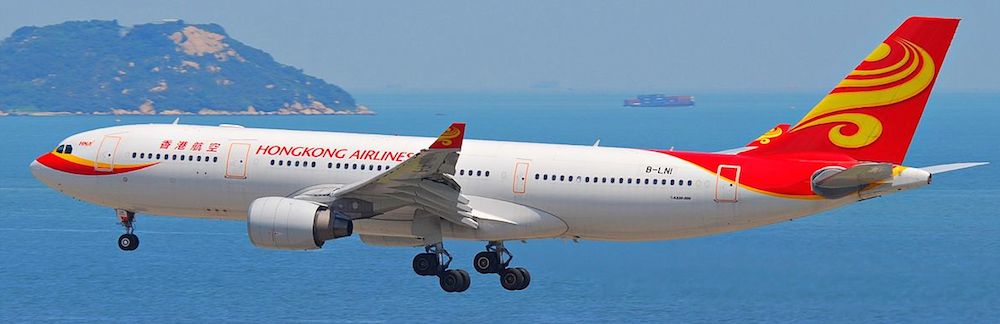
Hong Kong Airlines is an airline of Hong Kong with its headquarters in Tung Chung district, Hong Kong. Hong Kong International Airport is the hub airport of the airline. It has a current fleet size of 44 in-service aircraft.
Most Hong Kong–based airlines, such as Cathay Pacific and HK Express, are fairly strict about checked baggage weight limits, especially at busy airports. A bag that is 1–2 kg overweight may sometimes be overlooked, but you should not rely on that; overweight bags are often weighed carefully and excess baggage fees can be expensive. Staying within your allowance is the safest approach.
Yes. On Hong Kong Airlines, Economy Class passengers are generally allowed 1 carry-on bag up to 7 kg with maximum dimensions of 56 × 36 × 23 cm, while Business Class passengers can usually bring 2 carry-on bags, each up to 7 kg. A small personal item such as a handbag or laptop bag is also typically permitted.
Yes, Hong Kong Airlines is generally considered a decent full-service airline. It offers complimentary meals, checked baggage on many fares, and a service level above most low-cost carriers. Reviews are typically strongest for cabin crew service and overall value, while complaints tend to focus on delays, aircraft changes, or customer service during disruptions. It's not usually ranked alongside top-tier Asian carriers like Cathay Pacific or Singapore Airlines, but for regional and long-haul travel it is generally regarded as a solid mid-range choice.
Yes, Hong Kong Airlines generally provides complimentary food and drinks on its flights. Shorter routes may receive a light meal or snack, while longer flights typically include a more substantial hot meal service in Economy Class.
Yes, a backpack usually counts as carry-on (hand baggage) if it fits within the airline's size and weight limits. On Hong Kong Airlines, a standard backpack can generally be used as your carry-on bag, provided it stays within the allowed dimensions and weight limit (typically 7 kg in Economy Class). If you also bring another larger carry-on item, the backpack may be treated as your personal item, depending on its size.
Cathay Pacific is generally considered the better airline overall, with stronger service, a larger route network, better lounges, and more consistent premium and economy experiences. Hong Kong Airlines is often cheaper and still offers a good full-service experience, making it a solid value option. If prices are similar, most travelers would choose Cathay Pacific; if Hong Kong Airlines is significantly cheaper, it can be a worthwhile alternative.
Among major airlines, economy seat comfort is often rated highest on Japan Airlines, Singapore Airlines, ANA, Emirates, and Cathay Pacific due to good legroom, seat design, and service. However, comfort varies by aircraft, so the specific plane (e.g., Boeing 777, Airbus A350) often matters as much as the airline itself.
Hong Kong Airlines is generally regarded as a good mid-tier airline and currently holds a 4-Star Airline rating from Skytrax, which is considered a strong quality rating for service, seats, food, and overall passenger experience. In the 2025 Skytrax World's Top 100 Airlines ranking, it was placed 56th globally, an improvement from 61st the previous year.
Yes. In Economy Class on Cathay Pacific, drinks are complimentary, including water, soft drinks, juice, tea, coffee, and on many flights beer, wine, and spirits. Meals are also included on most routes, making Cathay one of the better full-service airlines in economy.
Yes, Hong Kong Airlines offers inflight entertainment on most long-haul and many medium-haul aircraft, including seatback screens or a wireless streaming system depending on the plane. However, the availability and quality can vary by aircraft type, and some shorter regional flights may have limited or no personal screens, so it’s less consistent than airlines like Cathay Pacific.
Hong Kong Airlines has a mixed-to-positive reputation: it’s generally seen as a solid mid-tier full-service carrier offering good value, decent onboard service, and free meals, but it doesn’t match premium airlines like Cathay Pacific in consistency or polish; travelers often praise the cabin crew and pricing, while common criticisms include occasional delays, variable inflight entertainment, and inconsistent aircraft product depending on the route.
Yes, on Hong Kong Airlines you can usually choose your seat in advance, but it often depends on your fare type—higher fare tickets and Business Class typically include free seat selection, while lower-cost Economy fares may charge a fee for selecting specific seats, and if you don’t choose one, you’ll be assigned a seat automatically at check-in.
At Hong Kong International Airport, an 8-hour layover is quite comfortable because you can relax in lounges (if eligible or via day pass), enjoy good food at the Sky Bridge dining area and terminals, shop in duty-free stores, or even watch planes from viewing areas; if you want to go out, the Airport Express gets you to central Hong Kong in about 25–30 minutes, so you can quickly visit places like Tsim Sha Tsui waterfront or take a short meal break in the city before coming back through security in time for your next flight.
Yes, you can bring perfume on a plane from Hong Kong International Airport, but in hand luggage it must follow liquid rules (each bottle max 100 ml and all liquids in a single 1-liter clear resealable bag), while in checked baggage you can carry larger bottles as long as they are properly packed to prevent leaks and comply with airline safety limits for flammable liquids.
For Hong Kong Airlines, online check-in usually opens 48 hours before departure and closes about 90 minutes before departure, while airport check-in counters at Hong Kong International Airport typically open around 2–3 hours before departure and close about 60 minutes before a long-haul flight (often 45–60 minutes before short-haul), so it’s best to arrive at least 2–3 hours early to avoid queues and baggage cut-off issues.
To avoid seat selection fees on airlines like Hong Kong Airlines, you can skip choosing a seat during booking and check-in, then accept the free automatic seat assignment, or wait until online check-in opens (usually 48 hours before departure) when some free standard seats may still be available; another option is booking a higher fare class or traveling on airlines like Cathay Pacific where basic seat selection is often included on more ticket types, or travelling solo since pairs and groups are more likely to get split when choosing free seats later.
Yes, at Hong Kong International Airport you can pay for lounge access even if you’re flying Economy—options include pay-per-use lounges like Plaza Premium Lounge, where you can usually buy entry for a few hours for a fixed fee depending on services, or you can also get access via day passes, airline status, or premium credit cards; it’s a good option if you want a shower, food, and a quiet place to rest during a layover.
Yes, you can stay overnight at Hong Kong International Airport because it is open 24 hours, and many transit passengers do sleep in seating areas, especially near quieter gates or the arrivals hall, though there are no “sleep pods” like in some airports and comfort is limited unless you book a nearby hotel or pay for a lounge; security is generally fine, but lighting and announcements can make it less comfortable, so a travel pillow or using a lounge/hotel nearby is usually better for proper rest.
Online check-in is usually better because it saves time, lets you pick (or at least try for) a better free seat, and reduces stress at the airport, especially with airlines like Hong Kong Airlines where airport queues can get long; airport check-in is still fine if you have bags to drop or issues with documents, but overall online check-in plus arriving early at Hong Kong International Airport is the smoother option.
At Hong Kong International Airport, you can sleep in quieter seating areas near less busy gates, especially in Terminal 1’s departure levels and some arrival hall corners, but for more comfort you can use pay-per-use lounges like Plaza Premium Lounge or book airport hotels such as the Regal Airport Hotel connected by a short walkway, which is the best option if you want proper beds, showers, and a quiet night’s sleep.
Yes, economy passengers can access airport lounges at Hong Kong International Airport by paying for entry (day passes), using eligible credit cards, buying access through services like Plaza Premium Lounge, or having airline status with carriers such as Cathay Pacific; so even without a business class ticket, you can still enter a lounge as long as you meet one of those entry conditions.
Yes, Hong Kong Airlines serves complimentary meals and drinks on most international and longer flights, with hot meals in Economy on longer routes and lighter snacks or meals on shorter ones, so you don’t usually need to buy food onboard unless you want extra items.
Famous food in Hong Kong includes dishes like dim sum (dumplings, buns, and rolls), wonton noodles, roast goose, char siu (BBQ pork), and egg tarts, which are all staples of Cantonese cuisine; you’ll find them everywhere from casual tea houses (cha chaan teng) to high-end restaurants across Hong Kong, and dim sum is especially iconic as a traditional brunch experience shared with family and friends.
A typical breakfast in Hong Kong is often quick and tea-house style, usually from a cha chaan teng, with options like milk tea, scrambled eggs on toast, macaroni soup with ham, pineapple buns with butter, or congee with pork or fish, reflecting a mix of Cantonese and Western influences designed to be fast, filling, and affordable before work or school.
You can only get free lounge access at Hong Kong International Airport if you meet certain conditions like flying Business/First Class with airlines such as Cathay Pacific, having elite frequent flyer status (Oneworld/Star Alliance), holding eligible credit cards with Priority Pass or LoungeKey, or using airline-issued vouchers; otherwise, economy passengers usually need to pay for lounges like Plaza Premium or Chase Sapphire Lounge, and there’s no general free entry just for being a traveler, so the “free” part really depends on status, ticket class, or premium card benefits.
Leggings are generally better than jeans for flying because they’re more comfortable, breathable, and flexible during long periods of sitting, while jeans can feel tight and restrict circulation, especially on long-haul flights like those with Hong Kong Airlines; the best option is soft, stretchy clothing with layers since cabin temperatures can change.
At Hong Kong International Airport, pay-in lounges like Plaza Premium usually cost about HK$400–700 for 3 hours and around HK$600–1,000 for 6 hours, depending on the lounge location, time of day, and whether you want extras like showers or premium dining; more upscale options like Plaza Premium First can be higher, so the final price mainly depends on how long you stay and which lounge tier you choose.
Yes — there are free showers at Hong Kong International Airport, located airside near Gate 12 and Gate 43 (Terminal 1), and they’re open 24 hours with basics like shampoo, body wash, and a hair dryer provided, but you usually need to bring your own towel or buy one from a vending machine; so the shower itself is free, but small extras like towels may cost a bit.
The best lounge at Hong Kong International Airport is generally considered Cathay Pacific- The Pier, Business Lounge, because it’s huge, quiet, and feels like a premium hotel with great food (like the noodle bar), showers, and relaxation rooms, making it consistently rated higher than pay-in lounges like Plaza Premium; for paid access, Plaza Premium First (Gate 1, East Hall) is the best option since it has à la carte dining, showers, and a more luxury feel than standard lounges, while options like Plaza Premium Lounge (Near Gate 1, East Hall) are good but more basic and often crowded.
No, not everything in an airport lounge is free, even in premium lounges at places like Hong Kong International Airport—most lounges include free food, soft drinks, and basic amenities like Wi-Fi, seating, and sometimes showers, but extras like premium alcohol, spa treatments, private rooms, or extended stays may cost extra, depending on the lounge and your access type (economy passengers usually get the most basic version when paying for entry or using day passes).
Yes, Hong Kong International Airport has plenty of food options after security in Terminal 1, including fast food, casual dining, cafés, and full-service restaurants, serving both international and local cuisine; you can also find duty-free snacks, bakeries, and bars, so you won’t go hungry while waiting for your flight.
At Hong Kong International Airport you should not bring prohibited items like weapons (knives, guns, or sharp tools in carry-on), explosives or flammable materials, over-sized liquids in hand luggage (more than 100 ml per container), drugs or controlled substances, or restricted items like e-cigarette liquids depending on current regulations, and checked baggage also has limits on things like lithium batteries and hazardous materials; it’s always best to check your airline rules (like Hong Kong Airlines) and security guidelines before packing to avoid delays or confiscation.
A common breakfast in Hong Kong is usually quick and café-style from a cha chaan teng, such as milk tea with toast and butter, scrambled eggs with ham or sausages, macaroni soup, congee (rice porridge) with pork or fish, or pineapple buns, reflecting a mix of Cantonese and Western influences designed for fast, affordable morning meals.
Snacks to avoid on a plane include anything very strong-smelling (like durian, certain cheeses, or fermented foods), messy or greasy items (chips with heavy oil, saucy foods), crumbly foods (cookies or crackers that make a mess in tight seating), and highly perishable items (sushi, fresh dairy, or unsealed meat), because they can be uncomfortable for you and other passengers, and security may flag liquids or gels that exceed limits.
Yes, Hong Kong International Airport is very English-friendly—most signs, announcements, and information desks use English alongside Chinese, staff at check-in, security, and customer service typically speak English, and menus, directions, and transport guides are all available in English, making navigation straightforward for international travelers.
In economy class on full-service airlines like Hong Kong Airlines"] or Cathay Pacific, meals usually include a hot main dish (meat, fish, or vegetarian option), a side (rice, pasta, or vegetables), a bread roll or dessert, and complimentary drinks such as water, soft drinks, tea, or coffee; longer flights may also include snacks between meals.
For Hong Kong Airlines, baggage rules depend on your fare and route, but Economy typically includes 1 checked bag (around 20–30 kg depending on ticket) plus 1 carry-on up to 7 kg (56×36×23 cm), while Business Class allows more allowance and extra carry-on; overweight or extra bags incur fees that can be quite expensive, and all passengers must follow strict size and weight checks, especially at airports like Hong Kong International Airport.
If you don’t select a seat after booking, the airline will automatically assign you one during check-in or at the airport, usually based on what’s still available, so you might end up in a middle seat or separated from your travel companions; on airlines like Hong Kong Airlines, this is common if you skip paid seat selection, but you can sometimes change your seat for free during online check-in if better options are still open.
Hong Kong Airlines is generally considered a mid-tier full-service airline—it offers decent economy and business class service, complimentary meals on most flights, and fair value for money. Passengers often praise the cabin crew and overall comfort for the price, but it’s less consistent than top carriers like Cathay Pacific, with occasional complaints about delays, customer service during disruptions, and variable inflight entertainment.
Yes, Hong Kong Airlines provides blankets on most medium- and long-haul flights, typically in Economy Class, with more luxurious options in Business Class.
In Hong Kong, dinner costs vary widely: a cheap local meal at a cha chaan teng or street-style eatery is usually around HK$50–100, a casual restaurant dinner is about HK$100–250 per person, and mid-range sit-down restaurants are typically HK$250–600 per person, while high-end or fine dining can easily go HK$800+ per person depending on location and cuisine.
Flight attendants sit with their hands folded on their laps during takeoff and landing as part of the brace position for safety. This keeps their hands and arms secure, prevents injury in case of sudden turbulence or impact, and allows them to quickly protect themselves and assist passengers if an emergency occurs.
Hong Kong Airlines currently holds a 4-star rating from Skytrax, which reflects a good level of service, comfort, and amenities compared with other mid-tier airlines, though it’s below top-tier carriers like Cathay Pacific or Singapore Airlines.
Yes, Hong Kong Airlines is considered safe. It meets international safety standards, is certified by Hong Kong’s Civil Aviation Department, and operates modern aircraft fleets; while it has had minor operational incidents, there are no major safety concerns, and it is comparable in safety to other full-service airlines in the region.
Hong Kong Airlines mainly operates Airbus aircraft, especially the Airbus A320 family (A320, A321) for regional routes and the Airbus A330-300 for longer international flights; the A320s are used for short-haul trips in Asia, while the A330s handle medium to long-haul services with economy and business class cabins.
Hong Kong Airlines operates an Airbus-only fleet, mainly using the Airbus A320 family for short-haul routes and the Airbus A330-300 for longer flights, and does not currently operate Boeing aircraft.
Hong Kong Airlines’ baggage allowance depends on class and fare: in Economy Class, passengers usually get 1 checked bag (20–30kg depending on route/fare) plus 1 carry-on up to 7kg (56×36×23cm), while Business Class passengers get more checked baggage and extra carry-on. Overweight or additional bags incur fees, and size and weight limits are strictly enforced.
Hong Kong Airlines was originally founded in 2006 as CR Airways (China Rich Airways) before being rebranded to its current name in 2006–2007 as it expanded into a full-service international carrier.
For Economy Class on Hong Kong Airlines, the typical checked baggage allowance is 20–30kg depending on the fare and route, and passengers can bring 1 carry-on bag up to 7kg with maximum dimensions of 56×36×23cm. Overweight or additional bags incur extra fees.
Yes, on Hong Kong Airlines you can choose your seat, but it depends on your fare: higher fare Economy and Business Class usually include free seat selection, while cheaper Economy fares often charge a fee or only allow free selection during online check-in (around 48 hours before departure), and if you don’t choose, a seat is automatically assigned at check-in.
Hong Kong Airlines is a full-service (hybrid) carrier based in Hong Kong, meaning it offers more amenities than low-cost airlines—such as checked baggage on many fares and complimentary meals—but operates with some optional paid services (like seat selection on cheaper fares), positioning it between a traditional full-service airline like Cathay Pacific and a low-cost carrier.
The best economy seats are usually exit row seats or bulkhead seats because they offer the most legroom, followed by window seats near the front of the cabin for quicker boarding and deplaning, while the “worst” are typically middle seats and those near the back or toilets due to noise and less recline; exact comfort still depends on the aircraft and airline, including carriers like Cathay Pacific or Hong Kong Airlines where seat pitch can vary by plane.
Upgrading to Premium Economy can be worth it if you value extra legroom, wider seats, better recline, enhanced meal service, and priority boarding, especially on long-haul flights where comfort significantly affects your experience. For shorter flights, the benefits may be less noticeable, so it depends on your budget and how much comfort matters for your journey.
At Hong Kong International Airport, the documents you need depend on your situation, but generally you must carry a valid passport, a boarding pass or confirmed flight ticket, and any visa or entry permission if required for your nationality or destination, and for check-in or immigration you may also be asked for your onward/return ticket, travel insurance (sometimes), and proof of stay or funds if entering Hong Kong; if you are only transiting airside, usually just your passport and connecting boarding pass are enough.
Hong Kong Airlines was originally founded as CR Airways (China Rich Airways) before rebranding to its current name around 2006–2007 when it expanded into a full-service international carrier.
To request a special meal on Hong Kong Airlines, you should do so at least 24–48 hours before departure by either adding it during online check-in, managing your booking on the airline’s website, or contacting customer service directly; options include vegetarian, halal, gluten-free, or child meals, depending on availability and your route.
Hong Kong Airlines operates an all-Airbus fleet, mainly using the Airbus A320 and A321 for short- and medium-haul routes across Asia, and the Airbus A330-300 for longer international flights, with no Boeing aircraft in its current fleet.
To check if your flight includes a complimentary meal, look at your fare type and airline policy on Hong Kong Airlines’ website or your booking confirmation—full-service Economy and Business usually include meals, while low-cost or discount fares may not. You can also contact the airline directly or check the “In-flight Services” section online for your specific route.
You can check your Hong Kong Airlines flight booking by visiting their website and using the “Manage Booking” or “My Trip” section, entering your booking reference and last name. You can also check via the mobile app, your confirmation email, or by calling customer service if you need assistance.
To find your Hong Kong Airlines e-ticket number, check your booking confirmation email or PDF itinerary, where it’s usually listed as a 13-digit number starting with “851”; you can also find it in the airline’s “Manage Booking” section on the website after entering your booking reference and last name, or contact customer service if you can’t locate it.