





Your calls answered by leading travel experts in under 5 seconds.

Unpublished offers and great discounts when you book on-call.

Hand-crafted travel itinerary that meet all your travel preferences.

Round-the-clock customer service to get all your doubts clarified.
When you plan a vacation to a destination and want to book your Lion Airlines flight tickets, then reach out to My Flight Fares. Our travel experts guide you through the booking process and help you score great airfares in your desired budget. We have flight offers from our inventory of 450+ airline options. Starting from Economy, First and Business Class tickets, My Flight Fares travel experts can give you various other services on your Lion Airlines bookings like extra luggage, priority check-in, in-flight meals, and more.
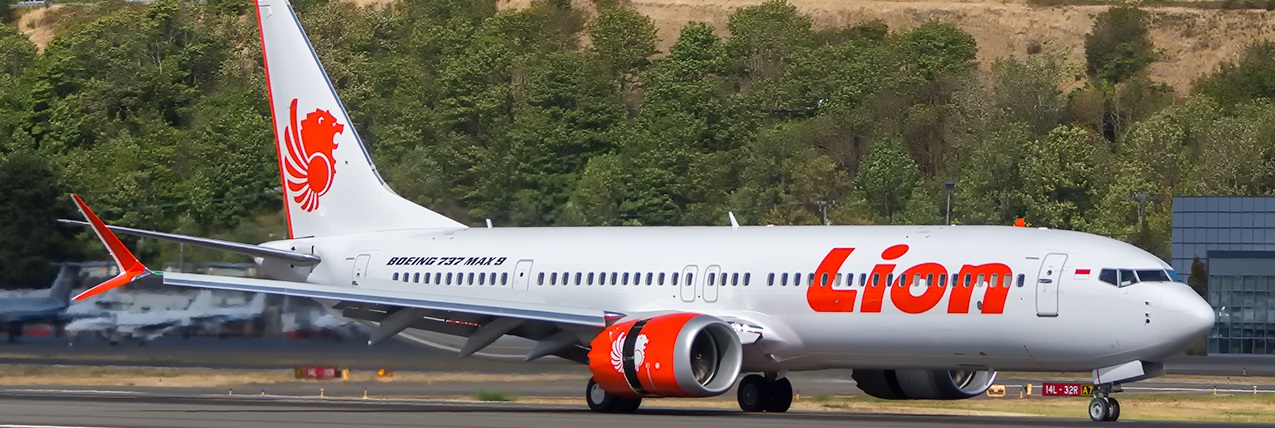
Lion Air is a low-cost Indonesian Airline that is headquartered in Jakarta. It is the largest Indonesian airline and operates flights to various destinations domestically & internationally. Founded 21 years ago in 1999, it has a current fleet size of 141 in-service aircraft. Lion Air has several subsidiaries, including Batik Air, Malindo Air, Wings Air, Lion Bizjet, and more.
On Lion Air (Indonesia), the standard cabin baggage allowance is usually 1 carry-on bag up to 7 kg, plus a small personal item, with size limits around 40 × 30 × 20 cm (sometimes up to 56 × 36 × 23 cm depending on route/aircraft), and strict enforcement if it exceeds weight or size; if your bag is over limit, it may be moved to checked baggage with extra fees.
Pet-friendly airlines (allowing small dogs or cats in the cabin with restrictions) include Emirates, Lufthansa, Air France, KLM, Turkish Airlines, and United Airlines, while many others allow pets only in cargo or on limited routes; all require advance booking, approved carriers that fit under the seat, and strict weight limits (usually around 7–8 kg including the pet).
Yes, pets can usually survive safely in an aircraft cargo hold because it is pressurized and temperature-controlled on most modern commercial flights, and airlines like Emirates and Lufthansa have established animal transport procedures, but risks still exist such as stress, temperature variations during loading/unloading, or handling issues, which is why airlines require health certificates, proper crates, and restrict certain breeds or extreme weather travel.
In most countries it is illegal or heavily restricted to keep lions as pets, including India, the UK, and most of Europe, because lions are classified as dangerous wild animals; a few places in the US may allow private ownership only with special state permits, strict licensing, and inspections (varies by state like Nevada or Texas), and some countries in parts of Africa or the Middle East may allow private ownership under licensing or private reserve rules, but even there it is tightly controlled and not considered safe or ethical as a “pet.”
Lion Air does not allow pets in the cabin at all, including dogs and cats, and pets are only permitted as checked baggage in the cargo hold on domestic flights within Indonesia with prior approval and required documents like quarantine/health certificates; on some routes or partner operations pets may also need to travel as cargo instead, and international pet transport is usually more restricted or handled separately through cargo services.
Yes, you can carry your pet dog on an international flight, but it depends on the airline and destination rules—small dogs may be allowed in the cabin with approved carriers on airlines like Emirates or Lufthansa, while larger dogs must travel in the cargo hold, and you’ll need advance booking, vaccination records (especially rabies), health certificates, and any import permits required by the destination country.
No, you cannot keep a lion as a pet in India—under Indian wildlife laws like the Wildlife Protection Act, 1972, lions are classified as Schedule I protected wild animals, and private ownership, buying, or keeping them is strictly illegal; only zoos, recognized rescue centers, or licensed conservation facilities under government regulation are allowed to keep lions.
Flying a pet internationally usually costs about $100–$200 for small pets in the cabin, $200–$600+ for pets as checked baggage, and $500–$2,000+ for cargo transport, depending on the airline (like Emirates), route, and pet size, with extra expenses often added for crates, vet certificates, and import/quarantine requirements depending on the destination country.
For most international flights, cargo is usually safer and more reliable for pets, especially large dogs, because it has stricter temperature control, handling procedures, and dedicated animal tracking, while checked baggage can be more stressful and is only available on some airlines like Emirates for certain routes, but cabin transport is generally the most comfortable option when the pet is small enough; overall, cargo is preferred for long or complex journeys, and cabin is best for small pets when allowed.
To reschedule a flight with Lion Air, you can go to the airline’s website or app, enter your booking code in “Manage Booking,” select change/reschedule flight, choose a new date or time, and pay any applicable fare difference or change fee; alternatively, you can contact Lion Air customer service or the travel agent you booked through, but changes depend on your ticket type and availability.
Yes, in some cases you can temporarily hold or reserve a flight without fully booking it, but it depends on the airline—carriers like Emirates or Qatar Airways sometimes offer short “fare hold” or “price lock” options for a fee or limited time, while most low-cost airlines (including many like Lion Air) require immediate payment, so a true reservation without booking is not always available.
Tickets on Thai Lion Air (Thai Lion) are generally non-refundable, especially low-cost fares, meaning if you cancel you usually don’t get money back but may receive limited credit or no value at all; only certain flexible add-on products or special fare conditions may allow partial refunds, and changes typically involve fees plus fare differences, depending on the ticket type.
Yes, you can cancel a flight less than 24 hours after booking and many airlines—including LATAM Airlines—allow free cancellation within 24 hours of purchase with a full refund, as long as the ticket was booked at least about 7 days before departure; after that 24-hour window, cancellation rules depend on your fare type and may involve fees or only travel credit.
Yes, you can usually reschedule an already booked flight through the airline’s “Manage Booking” section or customer service, but whether it’s free depends on your fare—airlines like LATAM Airlines often let you change dates by paying any fare difference and possibly a change fee, while flexible or premium tickets may allow free or low-cost changes.
The date change fee for Thai Lion Air is usually about THB 750 per passenger per flight plus the fare difference, if you change your travel date more than a few hours before departure; closer to departure (within 4 hours), the cost can increase significantly and may include a percentage of the base fare plus the fare difference depending on the ticket type.
Most tickets on Lion Air and Thai Lion Air are non-refundable, meaning if you cancel you typically won’t get your money back, though you may be able to use limited credit or make changes with a fee plus fare difference depending on the fare type; only specific flexible or promotional fares (if offered) may allow partial refunds under certain conditions.
The official WhatsApp customer care number for Thai Lion Air is +1-855-551-1040, and it is a chat-only support line available 24/7, but it is mainly for Indonesia/Lion Group support rather than voice calls; for Thailand-specific help, they usually direct customers to their call center or email support instead.
No, you generally cannot resell Lion Air or Thai Lion Air tickets because they are non-transferable, meaning the passenger name on the ticket must match the traveler’s passport/ID; airlines like Lion Air require any changes to be made through official channels, and attempting to resell or transfer a ticket to another person is not allowed and can result in the ticket being voided.
Yes, Lion Air is generally considered safe to fly in terms of regulatory standards today, as it operates under Indonesian aviation oversight and has improved its safety record significantly in recent years, but it has had a historically mixed safety reputation due to past serious incidents (including the 2018 JT610 crash), so while it is not classified as unsafe today, many travelers still view it as a lower-cost carrier with less consistent safety perception compared to major full-service airlines.
To call Lion Air Thailand, you can contact their customer service call center at +1-855-551-1040, which handles bookings, changes, baggage, and general support during their operating hours; if the line is busy, they also recommend using email or their online contact form on the official Thai Lion Air website for assistance.
No, Thai Lion Air is not exactly the same as Lion Air, but it is part of the same Lion Air Group; Lion Air is the main Indonesian carrier, while Thai Lion Air is its Thailand-based subsidiary operating domestic and regional flights, so they share ownership and branding but operate as separate airlines with different routes and policies.
You can email Lion Air customer service at [email protected] for general support, bookings, cancellations, or complaints, and for some cases also [email protected] is used depending on the region; just include your booking code (PNR), flight details, and issue clearly so they can respond faster.
To book a Lion Air flight, go to the official website or app, enter your departure city, destination, travel dates, and number of passengers, then select a flight, fill in passenger details exactly as per passport/ID, choose add-ons like seats or baggage, and complete payment using available methods (card, bank transfer, or local options); after payment, you’ll receive an e-ticket with your booking code, which you can later use for check-in and managing your trip through “Manage Booking” or the Lion Air app.
The best time to call airline customer service is usually early morning right when lines open or late at night (off-peak hours), and on mid-week days like Tuesday to Thursday, because call volumes are lower and wait times are shorter; avoiding Mondays, Fridays, and holiday periods helps you reach agents faster for airlines like Lion Air or LATAM Airlines.
Lion Air is generally larger than AirAsia in fleet size and domestic dominance in Indonesia, operating one of the biggest low-cost fleets in Asia, while AirAsia is larger in terms of wider international low-cost network across multiple countries; so Lion Air is bigger domestically and by aircraft count, but AirAsia is bigger regionally in network reach and brand presence.
Thai Lion Air tickets are generally non-refundable, meaning you usually won’t get your money back if you cancel; in some cases you may get partial credit or be allowed to change your flight for a fee plus fare difference, but full cash refunds are rare and only available under specific fare conditions or airline-initiated cancellations.
The last fatal crash involving Lion Air was Lion Air Flight JT610 on 29 October 2018, which crashed into the Java Sea shortly after takeoff, killing all 189 people on board, and there has not been another Lion Air passenger crash of that scale since then.
To contact Thai Lion Air from India, you can use their international support phone, WhatsApp chat, or email support: call +1-855-551-1040 (Thailand call center, 07:00–20:00 GMT+7) for direct assistance, or use WhatsApp +1-855-551-1040 (24/7 chat support) for quicker responses; you can also email [email protected] for India-related booking and ticket queries, which is often the easiest option from India when phone lines are busy.
To report a problem with a Lion Air flight, you can submit a complaint through the “Contact Us” or Customer Care form on the official Lion Air website, or email customer service (for example [email protected]) with your booking code, flight details, and a clear description of the issue (delay, baggage, refund, etc.); you can also call their customer service center or report baggage issues directly at the airport so they can open a case and give you a reference number for follow-up.
The airline code for Lion Air is JT (used as the flight number prefix, e.g., JT 610), and its ICAO code is LNI, which are used in tickets, booking systems, and flight tracking.
The PNR (Passenger Name Record) for Lion Air is your 6-character booking reference code found on your e-ticket or confirmation email, and it is used to access your booking for check-in, seat selection, baggage add-ons, or changes through “Manage Booking” on their website or app.
Yes, you can reschedule a Lion Air flight, but it depends on your fare type—you can usually change the date or time through “Manage Booking” or customer service by paying a change fee plus any fare difference, and the request must be made before departure; very cheap promo tickets may have stricter limits or higher fees.
Yes, you can get a full refund only in limited cases—typically if you cancel within a 24-hour risk-free window (when applicable) or if you booked a fully refundable fare, while most low-cost airlines like Lion Air and Thai Lion Air usually sell non-refundable tickets that instead offer credit or partial value depending on fare rules.
Yes, you can cancel and sometimes get a refund, but it depends on your fare rules—on airlines like Lion Air and LATAM Airlines, fully refundable or flexible tickets can be refunded (sometimes with fees), while most cheaper fares are non-refundable and may only give travel credit, except in cases like the 24-hour cancellation window or airline-initiated cancellations.
No, Lion Air is not currently blacklisted globally, but it has historically been restricted or banned from operating in certain regions in the past (such as earlier EU safety bans) due to safety concerns, though it is now allowed to operate and is regulated under Indonesian aviation authorities with improved safety oversight; it is still considered a low-cost carrier with a mixed safety reputation compared to major full-service airlines.
Yes, online check-in for Lion Air is free of charge and usually opens 24 hours before departure, allowing you to select seats (if available), get your boarding pass, and skip airport queues; however, you may still pay extra for seat selection, baggage, or other add-ons depending on your ticket.
To select seats on Lion Air, you can do it during booking, through “Manage Booking” on their website or app using your PNR, or at online check-in (usually 24 hours before departure), where you choose available seats—some seats are free depending on fare, but preferred or extra-legroom seats may require an additional fee.
Lion Air mainly flies across Indonesia (domestic network covering most major cities and islands) and also operates regional international routes to countries in Southeast Asia such as Malaysia, Singapore, Thailand, Saudi Arabia (for Hajj/Umrah), and a few other nearby destinations, focusing on short- to medium-haul low-cost travel within Asia.
The most serious Lion Air crash (Flight JT610 in 2018) was caused by a faulty angle-of-attack sensor feeding incorrect data to the MCAS system on the Boeing 737 MAX, which repeatedly pushed the aircraft’s nose down while the pilots struggled to regain control, ultimately leading to loss of control shortly after takeoff; the investigation highlighted a mix of technical malfunction, inadequate pilot training on the new system, and design issues in the aircraft’s automation system.
Lion Air is an Indonesian airline, meaning it is owned and based in Indonesia, and operates as part of the privately owned Lion Air Group headquartered in Jakarta.
Lion Air is usually very strict with carry-on weight, typically enforcing a limit of about 7 kg per passenger, and if your bag is overweight or oversized it may be required to be checked in with extra fees; enforcement is especially strict at boarding or check-in counters on busy routes.
In the most serious crash of Lion Air (Flight JT610 in 2018), all 189 people on board died, making it one of the deadliest aviation accidents involving a 737 MAX aircraft.
Baggage fees on Lion Air vary by route and fare type, but typically domestic excess baggage costs around a few dollars per kg (often about USD $1–$3/kg equivalent), while international routes can be higher, and pre-booked baggage online is usually cheaper than paying at the airport; the exact allowance and fees depend on your ticket class, so basic fares often include little or no checked baggage and charge extra for every additional kilogram or piece.
Yes, Thai Lion Air is a budget (low-cost) airline, meaning it offers lower base fares but charges extra for services like seat selection, checked baggage, meals, and flexibility, focusing on affordable domestic and regional flights rather than full-service amenities.