





Your calls answered by leading travel experts in under 5 seconds.

Unpublished offers and great discounts when you book on-call.

Hand-crafted travel itinerary that meet all your travel preferences.

Round-the-clock customer service to get all your doubts clarified.
When you plan a vacation to a destination and want to book your Middle East Airlines flight tickets, then reach out to My Flight Fares. Our travel experts guide you through the booking process and help you score great airfares in your desired budget. We have flight offers from our inventory of 450+ airline options. Starting from Economy, First and Business Class tickets, My Flight Fares travel experts can give you various other services on your Middle East Airlines bookings like extra luggage, priority check-in, in-flight meals, and more.
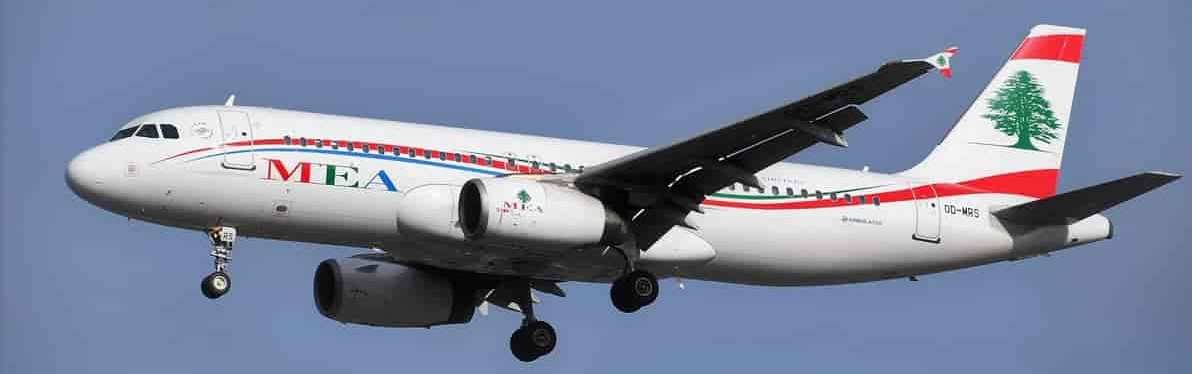
Middle East Airlines is the national flag carrier of Lebanon. It has a hub airport Beirut-Rafic Hariri International Airport and its headquarters in Beirut. MEA is a member of SkyTeam Alliance and founded in 1946. The current fleet size of the airline is 24 in-service aircraft serving 33 destinations of the world.
If by “MEA” you mean Middle East Airlines, tickets can be refundable or non-refundable depending on the fare type you bought. Refundable fares usually allow cancellation with a fee, while cheaper promo fares often give only partial refund or none at all after the free cancellation window. MEA also generally allows free cancellation within 24 hours of booking in some cases.
You can reserve a flight by booking directly on an airline’s website like Middle East Airlines or through travel platforms such as MakeMyTrip or Skyscanner — just enter your departure city, destination, dates, passenger details, choose a flight, pay, and you’ll receive an e-ticket by email.
Yes, on Middle East Airlines you can usually choose your seat during booking, through “Manage Booking,” or when online check-in opens; some seats are free while preferred or extra-legroom seats may cost extra depending on your fare type. If you don’t choose one, the airline will assign a seat automatically at check-in.
You can check your flight reservation status by visiting the airline’s website, opening “Manage Booking” or “My Trips,” and entering your booking reference (PNR) and last name; for MEA use MEA Manage Booking.
Yes, MEA usually charges a flight change fee, but the amount depends on your ticket type, route, and how close the change is to departure; flexible or business fares may allow low-cost or free changes, while promo/economy fares often have higher fees plus any fare difference. You can check your exact fare rules through MEA Manage Booking.
Yes, Middle East Airlines offers complimentary meals and beverages on most flights, with fuller meals on long-haul routes and lighter snacks on shorter flights; special meals like vegetarian, vegan, halal, or gluten-free can usually be requested in advance.
Yes, if you already have a confirmed MEA booking, you can usually change your flight through the airline’s “Manage Booking” section, by phone, or at the airport, but fees and fare differences may apply depending on your ticket type and timing of the change. Some flexible fares allow cheaper or free changes, especially within 24 hours of booking.
Among Middle Eastern airlines, Qatar Airways, Emirates, and Etihad Airways are consistently ranked among the world’s safest airlines by aviation safety organizations like AirlineRatings.com, with Qatar Airways and Emirates often leading the region due to strong safety records, modern fleets, and high training standards.
Yes, MEA is generally considered a good airline for regional and Middle East travel, especially for safety, onboard meals, and reliable service; it holds a strong 7/7 safety rating from AirlineRatings and many passengers praise its crew and comfort, though some travelers complain about high prices, inconsistent customer service, and occasional delays.
Middle East Airlines (MEA) usually allows 1 carry-on bag up to 10 kg and checked baggage of about 30 kg in Economy Class (or 1 piece up to 23 kg on some Europe routes), while Business Class typically allows around 60 kg total or 2–3 pieces depending on route—but the exact limit changes based on your destination and ticket type, so always check your booking for the final allowance.
Yes, in general it is safe to fly into most Middle Eastern countries because major hubs like the UAE, Qatar, and Oman have very strict aviation security, modern airports, and strong safety records; however, safety can vary by destination, so it’s always smart to check current travel advisories for specific countries before flying, especially for places with ongoing regional tensions.
There isn’t one single “best” Middle East airline, but the top three are usually Qatar Airways, Emirates, and Etihad Airways—with Qatar Airways often ranked #1 globally for service and comfort, Etihad leading recent safety rankings, and Emirates best known for luxury, entertainment, and global connectivity, so the “best” really depends on whether you prioritize service, safety, or overall travel experience.
Flights in the Middle East are being cancelled mainly because of regional conflict and security tensions (especially around Iran and nearby airspace), which force airlines to close or avoid certain air routes for safety; this also leads to airspace restrictions, rerouting, longer flight paths, and delays, plus higher fuel costs and operational issues, so airlines sometimes reduce or cancel services until conditions stabilize.
Some airlines are avoiding parts of the Middle East right now, but not the whole region—mainly they’re rerouting around specific conflict zones or restricted airspaces (like areas near Iran, Israel, or Iraq at certain times) for safety, while major hubs like Dubai, Doha, and Abu Dhabi are still operating normally with heavy global traffic; so it’s selective avoidance, not a full regional shutdown.
For most travelers, you don’t need to avoid flying through the Middle East because major hubs like Dubai, Doha, and Abu Dhabi are generally very safe and heavily used global transit points; however, if there are active regional tensions, airlines may reroute or adjust schedules, so it’s best to check current flight advisories for your specific route rather than avoiding the whole region.
Generally, Qatar, the United Arab Emirates (especially Dubai and Abu Dhabi), and Oman are considered the safest Middle East countries for tourists due to very low crime rates, strong security, and stable infrastructure, with Oman often seen as the most peaceful and relaxed, while the UAE and Qatar are extremely modern and tightly controlled for safety.
The main luxury Middle East airlines are Emirates, Qatar Airways, and Etihad Airways, all known for premium cabins, high-end service, and long-haul comfort, with Emirates famous for its First Class suites and onboard lounge, Qatar Airways often ranked #1 globally for business class (Qsuite), and Etihad known for its luxury “The Residence” product on select aircraft.
Middle East Airlines (MEA) mainly operates a modern Airbus fleet, including the A320 family (A320-200 and A321neo) for short and medium-haul routes and the A330-200 for longer international flights, which are used for destinations across Europe, the Middle East, and Africa.
The oldest airline in the Middle East is Middle East Airlines (MEA), founded in 1945 in Lebanon, and it remains one of the region’s longest-running carriers still operating today, ahead of many newer Gulf airlines that were established later in the 1950s–1980s.
The Middle East generally includes Bahrain, Cyprus, Egypt, Iran, Iraq, Israel, Jordan, Kuwait, Lebanon, Oman, Palestine, Qatar, Saudi Arabia, Syria, Turkey, United Arab Emirates, and Yemen, though exact lists can vary slightly depending on geopolitical or cultural definitions used by different organizations.
Yes, Middle East Airlines (MEA) is generally considered a good airline for safety and basic comfort, with a strong safety record (7/7 rating) and reliable service, but it’s not as luxurious or globally top-ranked as carriers like Emirates or Qatar Airways; passengers often praise its meals and punctuality, while some complain about higher prices and average customer service, so it’s a solid “safe and decent” choice rather than a luxury experience.
The “Big 3” Middle East airlines are **Emirates, **Qatar Airways, and Etihad Airways, all based in the Gulf and known globally for luxury service, modern fleets, and strong long-haul networks, with Emirates leading in size and entertainment, Qatar Airways often ranked best for business class, and Etihad known for premium innovation.
Yes — Middle East Airlines (MEA) is considered safe to fly, with a 7/7 safety rating, IOSA certification, and a strong long-term safety record with no major recent crashes. It has operated for decades even through regional instability while maintaining modern Airbus aircraft and international safety standards, so overall it is regarded as a reliable and safe airline, similar in safety compliance to other major global carriers.
There isn’t one single “least trusted airline,” because trust and safety rankings change every year and depend on specific incidents, but aviation safety sites like AirlineRatings and Skytrax sometimes flag certain small or poorly regulated carriers (often in regions with weaker oversight) as lower-rated due to older fleets, maintenance issues, or lack of international certification; that said, it’s more useful to avoid airlines without IOSA certification or strong regulatory oversight rather than focusing on one name, since most major global airlines meet high safety standards.
Middle East Airlines (MEA) operates a fleet of about 22 aircraft in active service, with a few more aircraft on order or planned for delivery, bringing the total to roughly around 25–28 aircraft including future additions depending on updates and deliveries.
There isn’t one single airline that always has the “most comfortable” economy seats, because it depends on the aircraft, but the most consistently praised for comfort are Japan Airlines (JAL), Singapore Airlines, ANA, Cathay Pacific, and Qatar Airways, thanks to wider seats, better cushioning, and more legroom (often around 32–34 inches pitch) — in general, Japanese and some top Asian carriers tend to feel noticeably more spacious and less cramped than most U.S. or budget airlines.
MEA’s baggage allowance usually includes 1 carry-on up to 10 kg and 1 checked bag around 23–30 kg in Economy, while Business Class typically allows about 2–3 checked bags totaling up to ~60 kg, but the exact limit depends on your route and fare, so your ticket or booking confirmation is the final reference.
The longest flight operated by Middle East Airlines (MEA) is typically from Beirut to Accra (Ghana) or Beirut to Lagos (Nigeria), which take about 6 to 7 hours nonstop, making them its longest regular routes due to MEA being a regional airline rather than a long-haul carrier.
It’s better not to “avoid” airlines by name in general, but instead avoid airlines that lack strong safety oversight or international certifications (like IOSA), have poor maintenance records, or are flagged in aviation safety audits, because safety standards vary more by regulation and fleet condition than brand alone; most major global and national carriers meet high safety standards, so it’s usually smarter to choose well-regulated airlines rather than trying to blacklist specific ones.
Yes, Middle Eastern airlines are generally considered among the most luxurious in the world, especially Emirates, Qatar Airways, and Etihad Airways, which are famous for lie-flat seats, private suites, high-end meals, premium lounges, and exceptional service, often ranking at the top globally for business and first class travel; however, luxury is mainly in their long-haul premium cabins, while economy is more standard but still comfortable compared to many airlines.
You can contact Air Peace customer service 24/7 by calling +1-855-551-1040 (0700FLYAIRPEACE) or +1-855-551-1040, or by emailing [email protected], and their phone lines are available round the clock for bookings, changes, and complaints.
Airline customer service is the support provided by an airline to help passengers with booking tickets, changing or canceling flights, baggage issues, refunds, check-in assistance, and resolving complaints before, during, and after travel.
You can contact **Middle East Airlines (MEA) Lebanon by calling +1-855-551-1040 or +1-855-551-1040, or by emailing [email protected]; they also provide 24/7 assistance through their reservations line 1330 in Lebanon and their official website contact page for bookings, changes, and support.
The best time to call airline customer service is usually early morning or late at night on weekdays, when call volumes are lower and wait times are shorter, while avoiding Mondays, weekends, and peak travel hours, which tend to be busiest and slowest for getting through to an agent.
The main Middle East airlines include **Emirates (UAE), Qatar Airways (Qatar), Etihad Airways (UAE), Middle East Airlines (Lebanon), Saudia (Saudi Arabia), Flydubai (UAE), and Oman Air (Oman), which together cover most regional and international routes across the Middle East and beyond.
To speak to a real person at Flight Centre, the fastest way is to call their customer service number (like 133 133 in Australia or your local Flight Centre hotline) and follow the IVR prompts, usually by selecting “existing booking” or pressing 0/“agent” to reach a human; you can also get a live agent via their website chat, visit a store for in-person help, or message them on social media if calls are busy.
Middle East Airlines (MEA) is based in Beirut, Lebanon, with its main hub at Beirut–Rafic Hariri International Airport, and it operates most of its flights from there to destinations across the Middle East, Europe, Africa, and beyond.
The Middle East Airlines (MEA) office in Dubai is located at Al Mustaqbal Street, Iris Bay Tower, Dubai, UAE, and you can contact them via phone at +1-855-551-1040 or email [email protected] for bookings, ticket changes, and support.
Yes, Emirates is a Middle Eastern airline because it is based in Dubai, UAE, but it is also a global airline rather than just a regional one, operating long-haul flights worldwide and known for luxury service and a large international network.
There isn’t a fixed “6 countries” list because the Middle East definition varies, but a common simplified version includes Saudi Arabia, UAE, Qatar, Kuwait, Oman, and Bahrain, which are the main Gulf countries often grouped together as the core Middle East in many travel and business contexts.
Middle East Airlines (MEA) operates about 22 aircraft in its main fleet, all Airbus models like A320s, A321s, and A330s, with a few more aircraft on order for future expansion, bringing the total to roughly around 25 aircraft including upcoming deliveries.
Middle East Airlines (MEA) is Lebanese, meaning it is an airline from Lebanon, with its headquarters and main hub in Beirut.
The United Arab Emirates (especially Abu Dhabi and Dubai) and Qatar are generally considered the richest Middle Eastern countries due to very high GDP per capita, strong oil and gas revenues, and diversified economies, with Qatar often ranking #1 globally in per-person income depending on the year and economic data source.
No, India is not part of the Middle East; it is a South Asian country located in the Indian subcontinent, although it has strong economic, cultural, and travel ties with Middle Eastern countries due to migration, trade, and tourism.
The safest countries in the Middle East are generally considered to be **Qatar, **United Arab Emirates, and **Oman, thanks to very low crime rates, strong law enforcement, political stability, and well-developed infrastructure, with Oman often seen as the most peaceful overall and the UAE and Qatar offering very secure, modern environments for residents and tourists.
No — Middle East Airlines (MEA) does not serve alcohol on board, as it follows a dry in-flight service policy, so only non-alcoholic drinks like juices, soft drinks, tea, and coffee are offered instead.
Airlines are avoiding parts of the Middle East mainly because of regional security risks and airspace restrictions from conflicts and tensions (especially near Iran, Israel, and nearby areas), which can make certain flight paths unsafe or temporarily closed, so carriers reroute to longer, safer routes; it’s not a full regional avoidance, since major hubs like Dubai, Doha, and Abu Dhabi still operate normally.
Yes, Middle East Airlines (MEA) is considered a safe airline, with a 7/7 safety rating, IOSA certification, and a strong track record of operating modern Airbus aircraft without major recent accidents, and it consistently meets international aviation safety standards like other major global carriers.
Middle East Airlines (MEA) has about 22 active aircraft in its fleet, and with upcoming deliveries and orders, the total rises to roughly around 23–25 planes in the near future, all mainly Airbus models like A320s and A330s.
“Flight level” for MEA usually refers to cruising altitude, and like most commercial airlines, Middle East Airlines (MEA) flights typically cruise around FL300–FL400 (30,000–40,000 feet) depending on aircraft type, route, and air traffic control instructions, with shorter flights often lower and long-haul segments higher for fuel efficiency.
No, Middle East Airlines (MEA) is not a low-cost airline; it is a full-service national carrier of Lebanon, meaning it includes checked baggage, in-flight meals, and standard services in most tickets, and its pricing is generally higher than budget airlines because it focuses on service quality and network reliability rather than low fares.
Yes — Middle East Airlines (MEA) is generally considered a safe and reliable full-service airline, with a strong 7/7 safety rating, IOSA certification, and no major recent safety incidents, plus a long track record of operating modern Airbus aircraft out of Beirut even during difficult regional conditions . Passenger reviews are mixed but mostly positive, with praise for punctuality, meals, and safety, while criticisms are usually about higher prices and occasional service inconsistency—so overall it’s seen as a good, safe airline, but not a luxury or top-tier global carrier like Emirates or Qatar Airways.
Middle East Airlines (MEA) has a 7/7 safety rating from AirlineRatings.com, which is the highest possible score and means it meets top international safety standards, is IOSA-certified, and has a strong modern safety record with no major recent accidents.
MEA allows 1 hand bag up to 10 kg with maximum dimensions of about 56 × 40 × 25 cm (length + width + height usually not more than ~115 cm), plus a small personal item like a laptop bag or handbag.
MEA baggage allowance depends on route and class, but in general Economy passengers get about 23–30 kg of checked baggage (or 1 piece up to 23 kg on some routes) plus 1 carry-on bag up to 10 kg, while Business Class usually gets around 60 kg total or multiple pieces (about 2–3 bags depending on destination), so the exact limit always depends on your ticket and travel route.
You can buy extra baggage on Middle East Airlines (MEA) by logging into “Manage Booking” on their official website, where you can add and pay for extra weight before your flight (usually cheaper online than at the airport); if your ticket is already issued or you want heavier extra bags, you can also call MEA customer service or pay at the airport check-in counter, but booking in advance online is the best and cheapest option.
You can cancel your Middle East Airlines (MEA) flight by going to “Manage Booking” on the official MEA website, entering your booking reference and last name, and selecting the cancel option; depending on your fare type, you may get a refund or pay a cancellation fee, and you can also cancel by calling MEA customer service or through the travel agency if you booked via one.
You can usually get a refund for a flight if the airline cancels or significantly delays it, if there’s a major schedule change, if you have a refundable fare, or in special cases like medical emergencies or visa refusal (with proof), but the exact rules depend on your ticket type and airline policy, so non-refundable fares often only allow credits or partial refunds instead of full money back.