





Your calls answered by leading travel experts in under 5 seconds.

Unpublished offers and great discounts when you book on-call.

Hand-crafted travel itinerary that meet all your travel preferences.

Round-the-clock customer service to get all your doubts clarified.
When you plan a vacation to a destination and want to book your Qantas Airways flight tickets, then reach out to My Flight Fares. Our travel experts guide you through the booking process and help you score great airfares in your desired budget. We have flight offers from our inventory of 450+ airline options. Starting from Economy, First and Business Class tickets, My Flight Fares travel experts can give you various other services on your Qantas Airways bookings like extra luggage, priority check-in, in-flight meals, and more.
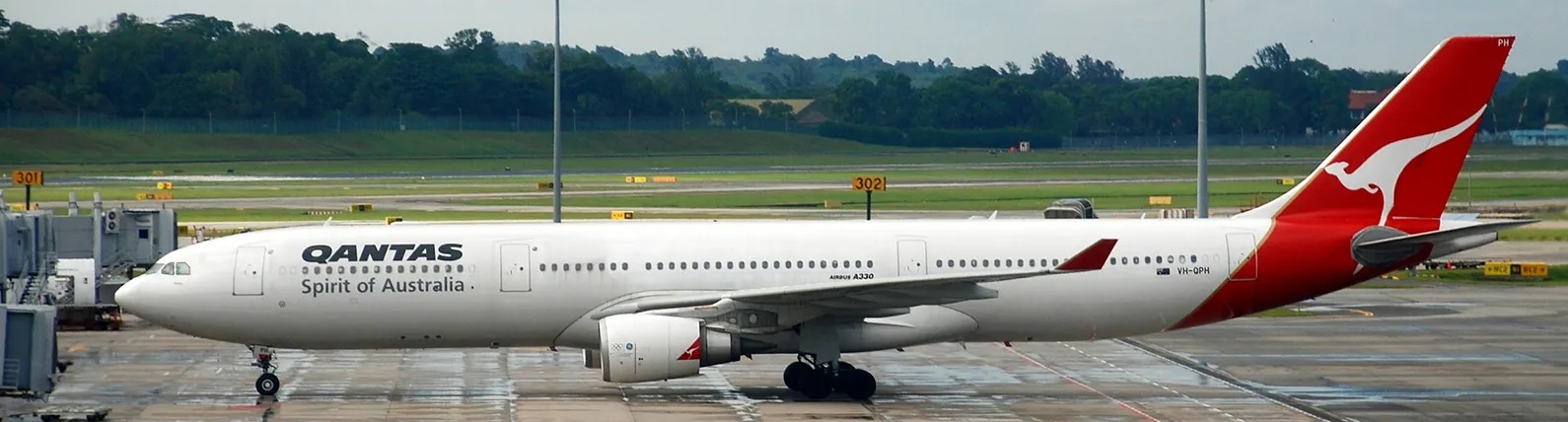
Qantas Airways is the largest independent airline in Australia, founded in the year 1920. It is the flag carrier of Australia and has its hub airports as Brisbane Airport, Melbourne Airport, Sydney Airport, Adelaide Airport, and Dubai International Airport. The fleet size of Qantas Airways is 126 in-service aircraft that fly to 85 destinations all over the world. The headquarters of Qantas is Mascot, Australia.
To check your booking reference with Qantas, go to the Qantas “Manage Booking” page on their website or app. Enter your last name and either your ticket number or booking reference (PNR) to view your reservation. Your booking reference is usually a 6-character code found in your confirmation email or ticket.
To check your flight booking details, go to the airline’s “Manage Booking” page on their website or app. Enter your booking reference (PNR) and last name to view your flight times, seat assignments, baggage allowance, and ticket status. You can also check your confirmation email or contact customer service for assistance.
The 80-hour rule for Qantas refers to flight crew duty limits: a pilot or cabin crew member cannot be scheduled to fly more than 80 hours in any 28-day period. This regulation ensures crew rest and flight safety on domestic and international routes.
Yes, on Qantas you can select your seat during booking or later via the “Manage Booking” page on their website or app. Some seats, such as extra-legroom or preferred seats, may incur an additional fee, while standard seats are usually free depending on your fare type.
You can find your flight booking reference in your confirmation email, e-ticket, or airline app. It’s usually a 6-character code, and you can also get it by contacting the airline’s customer service with your name and flight details.
You can check in for a Qantas flight online via their website or mobile app starting 24 hours before departure. You can also check in at the airport using self-service kiosks or the check-in counter. After checking in, you’ll receive a boarding pass to use at security and boarding.
The best seats in Qantas Economy are usually exit row or bulkhead seats, as they offer extra legroom. Seats toward the front of the cabin can allow for quicker boarding and deplaning, while window seats are preferred for views and a wall to lean on, and aisle seats for easier access to the restroom and stretching.
Qantas seat selection costs vary by fare type and route. For domestic flights, standard seat selection is often free with most fares, while extra-legroom or preferred seats can cost around AUD 10–30. For international flights, fees for preferred or extra-legroom seats can range from AUD 30–100 or more, depending on the route and class.
Yes, for most standard economy seats on Qantas, seat selection is free at online or airport check-in. However, preferred seats, extra-legroom seats, or premium economy seats usually require an additional fee, even if selected during check-in.
Upgrading from Economy to Premium Economy on Qantas can be worth it if you value more legroom, wider seats, better recline, enhanced meals, and priority boarding. It’s especially beneficial on long-haul flights, where comfort and extra space significantly improve your travel experience. For short flights, the upgrade may be less cost-effective.
Qantas checked baggage allowance depends on your fare type and route. For domestic flights, most economy fares include one piece up to 23kg, while international economy fares often allow two pieces up to 23kg each. Additional or overweight bags incur extra fees, which vary by route.
Qantas Economy typically includes a standard seat, carry-on allowance, checked baggage (depending on fare), and in-flight meals or snacks on long-haul flights. Passengers also get entertainment via seatback screens or the app and access to basic customer service, while extra services like seat selection, extra baggage, or premium meals may incur fees.
On Qantas, you can get free seat selection by choosing a standard economy seat during booking or at online check-in (usually 24 hours before departure). Preferred, extra-legroom, or premium seats typically require an additional fee, so sticking to standard options ensures it’s free.
On Qantas, you can usually select a seat at the time of booking. If your fare doesn’t allow that, you can choose a standard economy seat for free during online check-in, which opens 24 hours before the flight. Premium or extra-legroom seats may be available earlier for a fee.
Qantas Economy Plus (often called Extra Legroom Economy) differs from standard economy seats in that it offers more legroom, slightly wider seats, and extra recline, making long flights more comfortable. Standard economy seats have less space and less recline, while Economy Plus may also provide priority boarding on some flights, though amenities like meals and entertainment are generally the same.
Yes, on Qantas you can bring one carry-on bag for the overhead bin plus one smaller personal item such as a handbag, laptop bag, or small backpack. The personal item must fit under the seat in front of you, and both items must meet the airline’s size and weight limits.
On Qantas flights, passengers in economy class typically receive complimentary meals or snacks on long-haul flights, non-alcoholic drinks, in-flight entertainment, and one personal item plus carry-on luggage. Some domestic flights may only include basic snacks and drinks, while checked baggage, seat selection, and premium services may incur extra fees.
The best economy seats on Qantas are usually exit row or bulkhead seats, which offer extra legroom. Seats at the front of the cabin allow for quicker boarding and deplaning, while window seats provide a view and a wall to lean on, and aisle seats give easier access to the aisle and restroom. Avoid seats near lavatories or galleys to reduce noise and foot traffic.
Qantas seat selection fees vary by fare type and route. For domestic flights, standard seat selection is usually free, but preferred or extra-legroom seats cost around AUD 10–30. On international flights, fees for preferred or extra-legroom seats can range from AUD 30–100 or more, depending on the route and cabin class.
To get the best seats on Qantas, choose exit row or bulkhead seats for extra legroom, or window seats for views and privacy. Booking early often gives the most options, and checking in online 24 hours before departure lets you select remaining standard seats for free. Avoid seats near lavatories or galleys to reduce noise and traffic.
You can check in for a Qantas flight online or via the app starting 24 hours before departure. Airport check-in counters usually open 2–3 hours before domestic flights and 3 hours before international flights, closing about 30–60 minutes before boarding, depending on the route.
You can get free entry to Qantas lounges if you fly First or Business Class, hold a Qantas Club membership, or have Qantas Frequent Flyer Gold status or higher. Some premium credit cards or partner programs may also provide complimentary access, while most economy passengers need to pay for entry.
To guarantee your Qantas seat selection, choose and pay for your preferred seat at the time of booking. For standard economy seats, checking in online 24 hours before departure can secure your selection, but paying for preferred or extra-legroom seats ensures the seat is reserved and cannot be reassigned.
A Qantas Club membership typically costs around AUD 550–750 per year for standard membership, depending on age and location. Membership grants access to Qantas lounges worldwide, priority check-in, and other travel benefits. Family and partner passes may be available at an additional cost.
Upgrading to Qantas Premium Economy is worth it on long-haul flights if you value more legroom, wider seats, greater recline, enhanced meals, and priority boarding. The extra comfort can make a significant difference on flights over several hours, but for short domestic or regional flights, the upgrade may be less cost-effective.
Sometimes a last-minute business class upgrade can be cheaper than booking in advance, especially if the flight is not full and the airline wants to fill premium seats. However, prices are unpredictable and can sometimes be higher, so it’s a risk if you need certainty. Checking online or asking at check-in often gives the best last-minute offers.
On Qantas, the number of meals depends on the flight length and class. On long-haul international flights, economy passengers usually receive two main meals plus snacks and drinks, while business and first-class passengers get multiple courses and beverages. On short domestic flights, meals may be limited to light snacks and drinks.
Yes, on Qantas Premium Economy, you generally get enhanced meal options compared to standard economy. Meals are higher quality, more substantial, and served with better presentation, often including specialty menus, upgraded beverages, and a wider selection of snacks on long-haul flights.
You can choose your seats on Qantas during booking on their website or app, or later via the “Manage Booking” page. Standard economy seats are usually free, while preferred or extra-legroom seats may require an additional fee. You can also select seats during online check-in, which opens 24 hours before departure.
You can pick your seats on Qantas at the time of booking or later via “Manage Booking”. If your fare doesn’t allow early selection, you can choose a standard economy seat for free during online check-in, which opens 24 hours before the flight. Premium or extra-legroom seats may be available earlier for a fee.
On Qantas International flights, the carry-on luggage weight limit is 7kg (15lb) per bag for economy passengers, and you are allowed one standard carry-on plus one small personal item like a handbag or laptop bag. Exceeding this limit may require your bag to be checked in with applicable fees.
Preferred seating on Qantas refers to seats that are more desirable for comfort or convenience, such as extra-legroom seats, bulkhead seats, or seats near the front of the cabin. These seats often come with an additional fee, while standard economy seats are typically free to select.
Yes, on long-haul Qantas Business Class flights, passengers usually receive comfortable pajamas or sleepwear along with slippers, amenity kits, and bedding to enhance rest during the flight. This is part of the premium service experience.
Qantas’ baggage allowance depends on fare type and route. For domestic flights, economy passengers usually get one checked bag up to 23kg, plus one carry-on and a personal item. On international flights, economy often includes two checked bags up to 23kg each, plus a carry-on and personal item, while business and first-class passengers have higher allowances. Extra or overweight baggage incurs additional fees.
Qantas is fairly strict with carry-on luggage on international flights. Economy passengers are allowed one standard carry-on up to 7kg plus one personal item. Bags must fit in the overhead bin or under the seat, and oversized or overweight items may need to be checked in, often with a fee. Security regulations on liquids and prohibited items are enforced strictly.
On Qantas Business Class, passengers should wear smart-casual or comfortable business attire. While there’s no strict dress code, outfits like slacks or chinos with a shirt/blouse, a casual dress, or a blazer are appropriate. Comfort is important for long-haul flights, so layers and soft shoes are recommended.
Yes, you can pay for Qantas lounge access even if you’re flying economy. The cost is usually around AUD 50–60 per visit for domestic lounges and higher for international lounges, depending on location. Access can also be purchased online or at the lounge entrance, subject to availability.
A preferred seat on Qantas is a seat that offers extra comfort or convenience, such as more legroom, bulkhead positions, or locations near the front of the cabin. These seats usually come with an additional fee, unlike standard economy seats, which are generally free to select.
On Qantas international flights, Economy Class passengers are typically allowed two checked bags up to 23kg each, plus one carry-on bag up to 7kg and a personal item. Business Class usually allows two checked bags up to 32kg each, and First Class can allow three checked bags up to 32kg each. Oversized or extra bags incur additional fees.
On Qantas, the cost for extra checked baggage depends on your route and class. For international flights, fees usually range from AUD 75–250 per bag for economy, depending on weight and destination. For domestic flights, extra checked bags typically cost around AUD 35–50 per bag. Pre-purchasing online is often cheaper than paying at the airport.
On most Qantas international economy flights, passengers are allowed two checked bags up to 23kg (50lb) each, plus one carry-on bag up to 7kg (15lb) and one personal item such as a handbag or laptop bag. Extra or overweight baggage incurs additional fees.
On Qantas international flights, extra baggage is usually charged per piece rather than per kilogram. For economy class, an additional checked bag typically costs AUD 75–250, depending on the route and destination. Overweight or oversized bags may incur additional fees, often around AUD 40–100 per bag. Pre-purchasing online is generally cheaper than paying at the airport.
On a Qantas international flight, Economy Class passengers are typically allowed two checked bags up to 23kg each, plus one carry-on bag up to 7kg and one personal item like a handbag or laptop bag. Business Class usually allows two checked bags up to 32kg each, and First Class can allow three checked bags up to 32kg each. Extra or overweight baggage incurs additional fees.
On Qantas flights from India to Australia, Economy Class passengers are typically allowed 2 checked bags up to 23kg (50lb) each, plus 1 carry-on bag up to 7kg and 1 personal item. Premium Economy allows 2 checked bags up to 32kg each, while Business Class permits 2 checked bags up to 32kg each. Extra or overweight baggage incurs additional fees, which vary by route.
On Qantas, the cost of extra baggage depends on your route, class, and whether you pre-purchase online or pay at the airport. For international flights, an additional checked bag in economy usually costs AUD 75–250, while overweight or oversized bags can cost an extra AUD 40–100 per bag. Domestic flights typically charge AUD 35–50 per extra bag. Pre-purchasing online is generally cheaper than paying at the airport.
To add baggage to your Qantas flight, go to the “Manage Booking” page on the Qantas website or app, enter your booking reference and last name, and select “Add Baggage”. You can pay for extra checked bags or overweight/oversized items online, which is usually cheaper than paying at the airport. You can also add baggage by calling Qantas customer service.
Qantas baggage allowance depends on route and class. For domestic flights, Economy passengers usually get one checked bag up to 23kg, plus one carry-on bag and a personal item. For international flights, Economy generally allows two checked bags up to 23kg each, plus one carry-on (7kg) and one personal item, while Business and First Class offer higher allowances. Extra or overweight baggage incurs additional fees.
Qantas is fairly strict with carry-on weight. On international flights, passengers are allowed one carry-on bag up to 7kg plus one personal item, while domestic flights allow up to 7kg–10kg depending on fare. Bags exceeding the weight or size limit may need to be checked in, often with extra fees, and cabin crew may enforce these rules at boarding.
Yes, Qantas Economy usually includes checked baggage, but the allowance depends on the route and fare type. For domestic flights, it’s typically one bag up to 23kg, while for international flights, Economy passengers often get two checked bags up to 23kg each. Basic or saver fares may have no checked baggage included.
On Qantas international flights, Economy passengers typically get two checked bags (23kg each), one carry-on (7kg), a personal item, in-flight meals, snacks, and drinks, plus entertainment. Premium Economy offers extra legroom, enhanced meals, and priority boarding, while Business and First Class provide larger baggage allowance, lie-flat seats, premium dining, lounge access, and amenity kits.
On Qantas, baggage allowance depends on class and route. For international Economy, passengers can bring two checked bags up to 23kg each, plus one carry-on bag up to 7kg and a personal item. Business Class usually allows two checked bags up to 32kg each, and First Class three bags up to 32kg each. Domestic allowances are typically one bag up to 23kg in Economy.
You can select seats on Qantas during booking on their website or app, or later via the “Manage Booking” page. Standard economy seats are usually free, while preferred or extra-legroom seats may require a fee. You can also pick seats during online check-in, which opens 24 hours before departure.
Preferred seats on Qantas are seats that offer extra comfort or convenience, such as extra-legroom, bulkhead positions, or seats near the front of the cabin. These seats usually require an additional fee, while standard economy seats are generally free to select. Preferred seats are popular for more legroom, easier boarding, and quicker deplaning.
Qantas’ cancellation policy depends on your fare type. Flexible or refundable tickets can be canceled for a full refund, while non-refundable or basic fares usually only receive travel credit minus any cancellation fees. Cancellations can be made via the Qantas website, app, or customer service, and fees vary by route and fare conditions.
Yes, if you cancel a non-refundable Qantas ticket, you usually receive a travel credit for future use, minus any cancellation fees. Flexible or refundable fares may allow a full refund. Credits are typically valid for 12 months from the original ticket issue date and can be used to book another Qantas flight.
Yes, you can get a refund for an international flight if your ticket is refundable or flexible. Non-refundable tickets usually only provide a travel credit for future bookings, minus any applicable cancellation fees. Refunds are processed via the airline’s website, app, or customer service, and processing times may vary.
Whether a Qantas ticket is refundable depends on the fare type. Flexible or refundable fares allow a full refund if canceled, while non-refundable or basic fares usually only offer travel credit for future flights, often minus cancellation fees. Refunds must be requested through the Qantas website, app, or customer service.
To avoid a Qantas cancellation fee, book a flexible or refundable fare, which allows full refunds if canceled. If you have a non-refundable ticket, you can sometimes change the flight instead of canceling to avoid losing the full amount, or use travel credit for future bookings. Canceling well in advance and during promotional periods with waived fees can also help reduce charges.
Qantas doesn’t have a fixed “cancellation rate” because the fee depends on your fare type, route, and timing. For non-refundable economy fares, cancellation usually results in travel credit minus a fee, while flexible or refundable fares allow a full refund. Fees can range from AUD 50–300 or more for international flights, depending on the ticket conditions.
Qantas doesn’t require a specific notice period, but cancelling as early as possible is recommended. For refundable or flexible fares, you can cancel at any time before departure for a full refund. For non-refundable fares, cancelling early allows you to retain most of the value as travel credit, while late cancellations may reduce the credit or incur higher fees.
The payout for a Qantas class action depends on the specific case and its settlement terms. For example, previous class actions—like those related to flight delays, refunds, or fuel surcharges—have offered payouts ranging from hundreds to thousands of dollars per eligible passenger, depending on their claim. The exact amount for any current action is determined by court approval and the number of claimants.
The Qantas Price Promise is a guarantee that the price you see when booking a flight is the final price, with no hidden fees or unexpected charges. If you find a cheaper fare on the Qantas website within 24 hours of booking, they may match it or refund the difference, depending on the terms. It applies mainly to Qantas-operated flights booked directly.
Yes, Qantas offers a 24-hour cooling-off period for most tickets booked directly through their website, app, or customer service. Within this period, you can cancel your booking for a full refund without paying cancellation fees, provided the flight is at least 7 days away from departure. This does not usually apply to tickets booked via travel agents or third-party websites.
Yes, Qantas may compensate passengers for cancelled flights, depending on the fare type, reason for cancellation, and applicable regulations. For voluntary cancellations or schedule changes, you usually receive a full refund or travel credit. If the flight is cancelled due to operational reasons, Qantas may also provide assistance such as rebooking, meals, or accommodation under certain circumstances, especially on international flights.
Qantas uses a dynamic pricing strategy, adjusting fares based on demand, season, route popularity, and booking timing. They offer tiered fare classes—like Basic, Economy, Premium Economy, Business, and First—with varying baggage, seat selection, and flexibility to capture different customer segments. Promotions, loyalty programs, and bundled services (meals, extra baggage, lounge access) also influence pricing, allowing Qantas to maximize revenue while catering to diverse passenger needs.
Yes, you can get a refund on a Qantas flight if your ticket is refundable or flexible. Non-refundable or basic fares usually only provide travel credit for future bookings, often minus cancellation fees. Refunds can be requested through the Qantas website, app, or customer service, and processing times may vary depending on payment method.
Passengers eligible for a Qantas class action are usually those who booked flights during the period covered by the case and were affected by the issue, such as delays, cancellations, or overcharged fees. Specific criteria, like residency or ticket type, are outlined in the official claims notice.
Qantas fares are high right now due to increased demand post-pandemic, rising fuel costs, and staffing or operational constraints. Limited seat availability on popular routes and dynamic pricing strategies also drive prices up, especially for international and long-haul flights. Seasonal travel peaks can further increase ticket costs.
Yes, Qantas has a 24-hour cooling-off period for most tickets booked directly through their website, app, or customer service. Within this time, you can cancel your booking for a full refund without fees, provided the flight is at least 7 days away. This generally does not apply to tickets booked through travel agents or third-party sites.
There isn’t a publicly fixed “fine” specifically for Qantas ghost flights (flights operating with few or no passengers) because airlines are generally not penalized for running empty or near-empty flights. These flights are usually conducted to maintain airport slots, meet regulatory requirements, or schedule obligations, even if economically inefficient. Any financial impact is borne by the airline, rather than being a legal fine.
Qantas does not provide a direct public email for general inquiries. Instead, you can contact them through their online contact form on the Qantas website, which allows you to submit questions or requests via email. For urgent issues, they recommend calling their customer service or using the Qantas app live chat.
You get a refund from Qantas only if your ticket is refundable or flexible. For non-refundable or basic fares, canceling usually provides travel credit for future flights, minus any cancellation fees. Refunds can be requested via the Qantas website, app, or customer service, and processing times may vary depending on payment method.
Qantas has faced various accusations over the years, including price-fixing, overcharging passengers, misleading advertising, and failing to provide refunds or compensation for cancelled or delayed flights. Specific cases have also involved fuel surcharges, anti-competitive practices, and alleged mistreatment of employees. The details depend on the time period and legal case in question.
Qantas is widely regarded as one of the safest airlines in the world and has never had a fatal jet airliner crash in its history. While the airline has experienced a few non-fatal accidents and incidents with smaller aircraft in its early years, since the introduction of jet aircraft in 1959, Qantas has maintained a perfect safety record for commercial jet operations.
The salary of a Qantas flight attendant varies by experience, seniority, and route. On average, a base annual salary ranges from AUD 55,000 to 70,000, with additional pay for overtime, long-haul flights, and allowances. Senior or long-haul crew members can earn up to AUD 90,000–100,000 per year including bonuses and flight allowances.
Yes, Qantas is considered one of the safest airlines in the world. It has never had a fatal jet airliner crash and maintains strict safety protocols, rigorous pilot training, and modern fleet maintenance. Its excellent safety record, especially for long-haul flights, has earned it a global reputation for reliability and passenger safety.
To become a Qantas pilot, you typically need at least 1,500–3,000 flight hours, depending on the position and aircraft type. Applicants usually start with a commercial pilot license (CPL) and an instrument rating, then gain experience as first officers or captains on smaller aircraft before moving to Qantas. Long-haul or senior captain roles often require 5,000+ total flight hours.