





Your calls answered by leading travel experts in under 5 seconds.

Unpublished offers and great discounts when you book on-call.

Hand-crafted travel itinerary that meet all your travel preferences.

Round-the-clock customer service to get all your doubts clarified.
When you plan a vacation to a destination and want to book your Taag Angola flight tickets, then reach out to My Flight Fares. Our travel experts guide you through the booking process and help you score great airfares in your desired budget. We have flight offers from our inventory of 450+ airline options. Starting from Economy, First and Business Class tickets, My Flight Fares travel experts can give you various other services on your Taag Angola bookings like extra luggage, priority check-in, in-flight meals, and more.
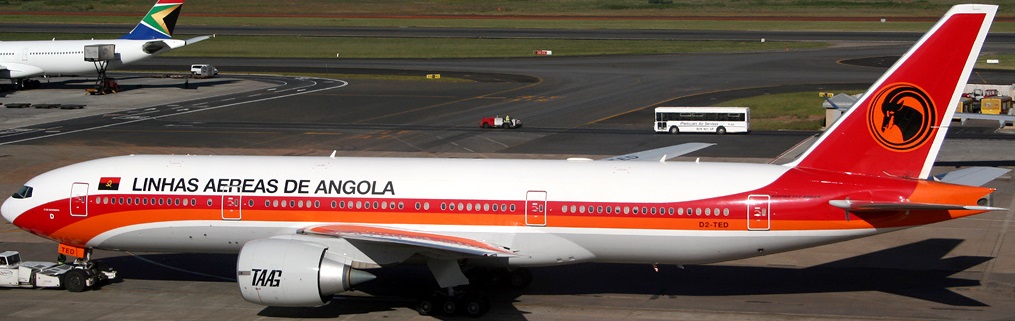
TAAG Angola is the flag carrier of Angola based in Luanda. The current in-service fleet size of TAAG Angola is 17 all Boeing aircraft. These 17 aircraft fly to over 31 destinations within Angola, Africa, Brazil, Cuba, and Portugal. The hub airport of TAAG Angola - Quatro de Fevereiro Airport.
To reserve air tickets with TAAG Angola Airlines, go to their official website or use their mobile app, select your departure and arrival cities, travel dates, and passenger details, then choose your fare and pay online. You can also book through authorized travel agencies or call TAAG’s reservation center directly for assistance.
TAAG Angola Airlines is owned by the Government of Angola, meaning it is a state-owned national flag carrier of Angola.
TAAG’s reliability is generally considered average to below average compared to major global airlines—it can be a budget-friendly option, but passengers often report delays, inconsistent customer service, and baggage issues, though newer aircraft and the new Luanda airport have improved some routes. Flight data also shows mixed performance, with around 65–90% on-time rates depending on the route but with frequent long delays on some flights , and customer reviews range from “good value and smooth flights” to “poor communication and cancellations,” so it’s usually reliable enough for non-urgent travel if you’re flexible, but not as dependable as airlines like Emirates, Lufthansa, or Qatar Airways.
Yes, TAAG Angola Airlines has a mobile app available for iOS and Android, which allows passengers to book flights, check-in, view itineraries, and manage bookings directly from their smartphones.
No, TAAG Angola Airlines is not part of any major global airline alliance like Star Alliance, Oneworld, or SkyTeam, though it does have some codeshare partnerships with select airlines to expand its network.
The best travel app depends on your needs: for flights and bookings, apps like Google Travel, Skyscanner, or airline-specific apps (e.g., WestJet, TAAG) are great; for accommodation, use Booking.com or Airbnb; for navigation, Google Maps or Citymapper; and for itinerary management, TripIt or Kayak help keep everything organized in one place.
For TAAG Angola Airlines, check-in usually opens 24–36 hours before departure (online) and closes about 60–90 minutes before takeoff, depending on the route: international flights typically allow check-in from 36 hours up to 90 minutes before departure, while domestic flights allow 24 hours up to 60 minutes before departure, and at the airport you should arrive early because counters generally open about 2–4 hours before the flight and close around 60–90 minutes before departure.
TAAG Angola Airlines generally does not offer personal in-flight entertainment on most flights, especially short-haul routes, though some long-haul aircraft may have limited shared screens or streaming options; passengers are usually advised to bring their own devices and content for entertainment.
Yes, you can select your seat on a TAAG flight either during booking on their website or later through “Manage Booking”; note that some preferred seats or extra legroom options may come with an additional fee.
Several airlines fly to Angola, primarily into Luanda’s Quatro de Fevereiro International Airport (LAD). Major carriers include TAAG Angola Airlines (domestic and international), Air France, KLM, Turkish Airlines, Ethiopian Airlines, Lufthansa, British Airways, and some regional carriers from neighboring African countries like South African Airways and Kenya Airways.
For TAAG Angola Airlines economy class, the checked baggage allowance is usually 2 pieces up to 23 kg each on international flights, while some domestic or regional routes may allow 1 piece around 20–30 kg total depending on the route; you also get 1 cabin bag up to 8 kg plus a small personal item, but exact limits can vary by destination and fare type, so it’s best to check your booking confirmation before flying.
Angola is generally safe for travelers in major areas like Luanda and main tourist/business routes, but it does have moderate risks, including petty crime (like pickpocketing), occasional protests, and poor road safety outside cities, so visitors are advised to stay cautious, avoid isolated areas at night, and follow local advice; overall, it’s considered travelable but not low-risk, so planning and awareness matter more than in typical tourist destinations.
On a plane, it’s best to avoid very sugary drinks, carbonated sodas, and excessive alcohol because cabin pressure and dry air can make you more dehydrated and bloated; also be cautious with tap water-based drinks like iced drinks or coffee/tea on shorter flights, since water quality can vary depending on the aircraft’s supply, so sticking to bottled water, simple juices, or light drinks is usually the safest and most comfortable choice.
A direct flight from South Africa (Johannesburg) to Luanda, Angola typically takes around 4 to 5 hours, depending on the airline and exact routing; connecting flights with stopovers can take significantly longer, often 8–12 hours or more.
Seats to avoid on a flight generally include middle seats, because they offer less space and no direct aisle access, seats near the lavatories, which can be noisy and smelly, and rear rows, which often have limited recline and are near the galley, making them busier and noisier. Also, some exit row or bulkhead seats may lack under-seat storage or have stricter safety rules.
If you skip seat selection, the airline will automatically assign you a seat during check-in for free, but you won’t control where you sit, and you may be placed in a middle seat or separated from travel companions, especially on busy flights or low-cost fares.
Angola is generally considered a moderate-risk country for travelers, not “high risk” overall, but it does have concerns like petty crime in cities (especially Luanda), poor road safety, occasional civil unrest or protests, and limited emergency services outside urban areas, so it’s safer if you stay in main areas, avoid isolated places at night, and follow local guidance rather than treating it as a high-risk conflict zone.
Yes, most travelers need a visa to enter Angola, including tourists and business visitors, which must usually be obtained in advance from an Angolan embassy or consulate, though some nationalities may be eligible for e-visas or visa-on-arrival programs—check the latest requirements before traveling.
TAAG Angola Airlines does not have a true “premium economy” cabin on most routes; it generally offers Economy and Business Class, with Business Class providing the upgraded seating and service instead of a separate premium economy section.
Angola is generally moderately safe for Indian travelers, especially in major cities like Luanda where many expats and business workers live, but risks include petty theft, scams, and road safety issues, so it’s important to stay in secure areas, use trusted transport, and avoid isolated places at night; with normal precautions, most visits for work or tourism are manageable but not risk-free.
For TAAG Angola Airlines, the baggage allowance depends on your route and class: in economy on most international flights you get 2 checked bags of up to 23 kg each, while domestic flights usually allow 1 bag around 30 kg, and business/first class gets higher limits like 32 kg per bag (up to 2–3 pieces depending on class); for cabin baggage, you’re generally allowed 1 bag up to 8 kg plus a small personal item.
TAAG Angola Airlines has been updating its fleet with newer aircraft, including Airbus A330-900neo for long-haul routes and Embraer E-Jets or Boeing 737-700/800 for regional and domestic flights, aiming to improve fuel efficiency, comfort, and reliability.
TAAG Angola Airlines is a full-service, state-owned national flag carrier of Angola that operates both domestic and international flights, offering Economy and Business Class service with scheduled routes across Africa, Europe, and South America.
TAAG Angola Airlines was founded in 1938, so it is about 88 years old as of 2026, making it one of the older national airlines in Africa.
Pilots generally prefer airlines with good safety records, competitive pay, quality training, and work-life balance. Globally, carriers like Emirates, Qatar Airways, Singapore Airlines, Lufthansa, and Qantas are often favored, while in Canada pilots prefer Air Canada and WestJet for stability and benefits. Preferences also depend on fleet type, route networks, and company culture.
PNR (Passenger Name Record) is a unique booking reference code on your flight ticket that stores all your travel details—like your name, flight number, seat, and itinerary—so airlines can quickly access and manage your reservation when you check in, make changes, or contact customer service.
Yes, you can usually modify a flight ticket, but it depends on the airline and fare type—some tickets allow changes for a fee plus any fare difference, while low-cost or promotional fares may be non-changeable or very restricted; you typically make changes through the airline’s “Manage Booking” section using your PNR, or by contacting customer service.
To check your flight ticket status, go to your airline’s website or app, open the “Manage Booking” or “Check Trip” section, and enter your PNR (booking reference) and last name to view details like confirmation, timing, seat, and any changes; you can also use flight tracker tools like FlightAware or FlightStats to see live flight status if needed.
For a TAAG flight, you can check in online via their website or mobile app starting 24–36 hours before departure, or at the airport at the check-in counters, usually 2–3 hours before international flights and 1–2 hours before domestic flights. You’ll need your booking reference or ticket number and passport to complete check-in.
You can check your flight booking details by going to your airline’s website or app and using the “Manage Booking” or “My Trips” section, where you enter your PNR (booking reference) and last name to see your itinerary, flight time, seat, baggage, and ticket status; you can also find the same details in your confirmation email or SMS from the airline or travel agency.
Yes, if you check in online you usually get a digital boarding pass that you can download, email, or save on your phone, and some airlines also let you print it; in certain cases you may still need to show your passport at the airport to get a final printed pass, depending on the airline and route.
Yes, even if you check in online, you still need a boarding pass to board the plane—either a digital version on your phone or a printed copy. Airport staff and security use it to verify your reservation and allow you to enter the boarding gate.
Yes, 2 hours is usually the minimum for international flights, and it can be enough if the airport is not too busy and you’ve already checked in online, but many airlines recommend arriving 3 hours early to comfortably handle check-in, baggage drop, immigration, and security without stress or risk of missing the flight.
You can usually select your seat as soon as you book your ticket, and if you skip it then, most airlines let you choose later through “Manage Booking” or during online check-in, which typically opens 24–48 hours before departure, though availability may be more limited and some preferred seats may already be taken or require a fee.
It depends on the airline and fare type: fully refundable tickets let you get the entire fare back minus any service fees, while non-refundable or low-cost fares (like ultra-low-cost airline tickets) usually only return taxes and optional add-ons; the airline’s “Manage Booking” section or customer service will show exactly what refund you’re eligible for.
Yes, you can get a refund for an international flight only if your ticket is refundable or covered by cancellation rules, but most cheap or promotional fares are non-refundable and only return taxes or partial amounts, while fully flexible tickets usually allow a full refund; the exact amount always depends on the airline’s fare conditions shown in your booking.
Airline cancellation policies vary, but most allow cancellations with a refund or credit depending on your fare type, where flexible/refundable tickets can be fully refunded, standard tickets may charge a cancellation fee plus fare difference, and budget or promotional fares are often non-refundable but may return taxes; many airlines also offer a 24-hour free cancellation window if you book directly and cancel within a day.
Pet flight costs vary by airline, but typically range from about $50–$200 for small pets in the cabin and $200–$800+ for pets in cargo, depending on the route, size, and destination; international flights are usually more expensive and may require additional health certificates and fees.
Among airlines, ultra-low-cost carriers and budget airlines often have the cheapest pet fees for in-cabin travel, typically around $75–$125, while full-service carriers can charge more. In the U.S., for example, Southwest Airlines is known for its relatively low flat fee ($95 per one-way flight) for small pets in the cabin, whereas international or cargo travel fees are generally higher regardless of airline.
TAAG Angola Airlines’ business class is a full-service premium cabin with wider reclining or lie-flat seats (on newer aircraft like the A330-900neo), more legroom, priority check-in and boarding, lounge access, upgraded meals, and increased baggage allowance, though the onboard service quality can vary depending on the aircraft and route compared to top global carriers.
Airlines known for the most comfortable economy class seats usually have extra legroom, wider seats, and better padding, even on long-haul flights. Globally, carriers like Singapore Airlines, Emirates, Qatar Airways, ANA, and Japan Airlines consistently rank high for economy comfort, while in North America, Air Canada, JetBlue, and Hawaiian Airlines are noted for roomy economy seats and good seat pitch.
No, TAAG Angola Airlines does not have a separate premium economy cabin; it offers Economy and Business Class, with Business Class providing the main upgrades in seat comfort, service, and baggage allowance instead of a mid-tier premium economy section.
Yes, upgrading to premium economy is often worth it on long-haul flights because you get more legroom, wider seats, better recline, improved meals, and priority boarding, which can make a big difference in comfort for 6–12+ hour journeys, but it may not be worth it on short flights where economy is usually sufficient and the extra cost doesn’t give much benefit.
On TAAG Angola Airlines economy class, the standard baggage allowance is usually 2 checked bags up to 23kg each for international flights, and 1 checked bag around 20–30kg for domestic flights, plus 1 cabin bag up to 8kg and a small personal item. Exact limits can vary by route and fare, so always check your booking confirmation.
TAAG stands for “Transportes Aéreos Angolanos”, which is Portuguese for Angolan Air Transport, and it is the name of Angola’s national flag carrier airline.
TAAG Angola Airlines is currently modernizing its fleet with new aircraft like the Airbus A220-300 for regional routes and Boeing 787 Dreamliners (787-9 and 787-10) for long-haul flights, replacing older Boeing 737s and 777s to improve fuel efficiency, comfort, and international reach; it has also placed additional orders to keep expanding this newer fleet through 2026 and beyond.
Some of the best economy seats for international flights are consistently found on Singapore Airlines, Qatar Airways, Japan Airlines, ANA (All Nippon Airways), and Emirates, which offer wider seats, better legroom, strong recline, and higher-quality service compared to many other carriers, especially on long-haul routes where comfort really matters.
Yes, TAAG Angola Airlines offers special meals on request, such as vegetarian, vegan, diabetic, gluten-free, child, and religious meals. These usually need to be requested at least 24–48 hours before departure through the airline’s booking system, customer service, or during ticket purchase.
For TAAG Angola Airlines, the baggage allowance depends on your route, but for economy class international flights you usually get 2 checked bags up to 23 kg each, plus 1 cabin bag up to 8 kg and a small personal item. On domestic flights, it’s typically 1 checked bag around 23–30 kg total, with the same cabin allowance, but exact limits can vary by destination and fare type, so your booking confirmation is the final reference.
TAAG Angola Airlines is currently modernizing its fleet with new Airbus and Boeing aircraft, mainly the Airbus A220-300 (for regional and short–medium routes) and the Boeing 787 Dreamliner (787-9 and 787-10 for long-haul flights); it is using these to replace older Boeing 737s and 777s as part of a major expansion and upgrade program running through 2026 and beyond, improving fuel efficiency, comfort, and international connectivity.
TAAG Angola Airlines offers two main classes of service: Economy Class, with standard seating and service, and Business Class, which features wider or reclining seats (on long-haul aircraft), priority check-in and boarding, lounge access, upgraded meals, and higher baggage allowance. There is no separate Premium Economy cabin.
For TAAG Angola Airlines, economy class international flights usually include 2 checked bags of up to 23 kg each, plus 1 cabin bag up to 8 kg and a small personal item; on domestic routes, it’s typically 1 checked bag around 23–30 kg total, with the same carry-on allowance, but the exact limit can vary by route and fare, so your ticket confirmation is the final rule.
TAAG Angola Airlines is the national flag carrier of Angola, a state-owned airline that operates domestic, regional, and long-haul international flights from its hub in Luanda; it offers Economy and Business Class service and connects Angola with destinations across Africa, Europe, and South America.
TAAG Angola Airlines uses a mix of modern and mid-sized aircraft, including Boeing 737s for domestic and regional flights, Boeing 777s and 787 Dreamliners for long-haul international routes, and Airbus A220-300s for short- to medium-haul routes, with newer planes being added to improve fuel efficiency, comfort, and reliability.
As of 2026, the CEO of TAAG Angola Airlines is José Alves de Carvalho, who oversees the airline’s operations, fleet modernization, and international expansion.
TAAG Angola Airlines is based in Luanda, Angola, with its main hub at Quatro de Fevereiro International Airport (LAD), and it is also closely connected to the newer Dr. António Agostinho Neto International Airport, which is gradually becoming a key operating base for international flights.
For TAAG Angola Airlines, the baggage allowance depends on your route and class, but in economy class international flights you usually get 2 checked bags up to 23 kg each, plus 1 cabin bag up to 8 kg and a small personal item. On domestic flights, it’s typically 1 checked bag up to about 30 kg total, with the same carry-on allowance, though exact limits can vary by destination and fare type, so your ticket confirmation is always the final rule.
TAAG Angola Airlines currently has about 32–33 aircraft in its fleet, depending on how parked and newly delivered planes are counted, including Airbus A220s, Boeing 737s, 777s, 787 Dreamliners, and Dash 8 turboprops.
For TAAG Angola Airlines, check-in times are: online check-in opens 36 hours before international flights and 24 hours before domestic flights, and closes 90 minutes before departure; at the airport, counters usually open about 4 hours before international flights (2–4 hours before depending on airport) and close 90 minutes before takeoff, so it’s best to arrive early to avoid queues and document checks.
Two hours is the minimum for an international flight and can work if you’ve checked in online and aren’t checking bags, but most airlines, including TAAG Angola, recommend arriving 3 hours before departure to allow enough time for check-in, baggage drop, security, and immigration, especially at busy airports.