





Your calls answered by leading travel experts in under 5 seconds.

Unpublished offers and great discounts when you book on-call.

Hand-crafted travel itinerary that meet all your travel preferences.

Round-the-clock customer service to get all your doubts clarified.
When you plan a vacation to a destination and want to book your Tianjin Airlines flight tickets, then reach out to My Flight Fares. Our travel experts guide you through the booking process and help you score great airfares in your desired budget. We have flight offers from our inventory of 450+ airline options. Starting from Economy, First and Business Class tickets, My Flight Fares travel experts can give you various other services on your Tianjin Airlines bookings like extra luggage, priority check-in, in-flight meals, and more.
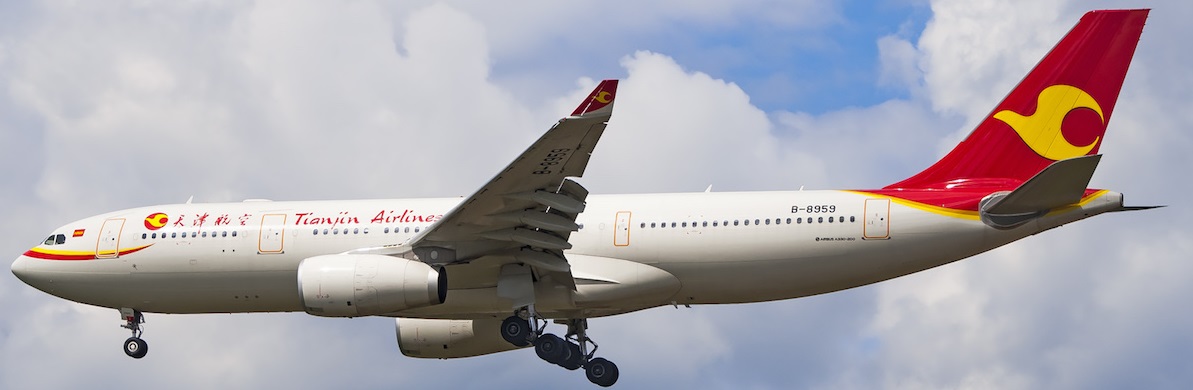
Tianjin Airlines is a Chinese airline that operates domestic flights from Tianjin Binhai International Airport. Formed in 2004, Tianjin Airlines has a fleet size of 101 in-service aircraft flying to 109 destinations worldwide. The headquarters of Tianjin Airlines is in Dongli District, Tianjin.
Tianjin Airlines is generally considered a decent mid-sized Chinese airline, especially for domestic routes within China, with acceptable service, modern aircraft on many routes, and competitive pricing, though international travelers sometimes report inconsistent English support, varying cabin comfort, and less polished service compared with larger global airlines like Cathay Pacific or Singapore Airlines.
Tianjin Airlines is owned primarily by Hainan Airlines Group, which itself is part of the larger HNA Group, a major Chinese conglomerate with interests in aviation, tourism, and logistics.
Yes, Tianjin Airlines is a Chinese airline based in Tianjin, China, and it mainly operates domestic flights within China along with some international regional routes.
Yes, Tianjin Airlines generally offers complimentary meals or light snacks on many flights, especially longer domestic and international routes, though the quality and type of meal depend on the flight duration, route, and class of service, while very short flights may only provide drinks or a small snack.
Tianjin, China, is famous for its European-style architecture, a legacy of its colonial concessions, as well as its coastal port, one of the busiest in the country. It’s also known for Tianjin cuisine (like goubuli buns and ear-shaped fried cakes), vibrant cultural sites, and modern economic development, especially in finance, manufacturing, and logistics.
Flights on many Chinese airlines can seem cheap because of strong domestic competition, government support for aviation, lower labor and operating costs compared with Western airlines, and aggressive pricing to fill seats and expand market share; additionally, routes within China are extremely high-volume, which helps airlines keep fares lower while still operating profitably.
Tianjin Airlines primarily flies domestic routes across China, connecting major cities like Beijing, Shanghai, Guangzhou, Chengdu, and Xi’an, and also operates some international regional flights to nearby countries such as Thailand, Japan, South Korea, and Singapore.
Yes, Tianjin is considered one of China’s wealthier cities, thanks to its status as a major port, industrial hub, and financial center. It has a high GDP per capita compared with many other Chinese cities, strong manufacturing and logistics sectors, and significant foreign investment, though wealth is concentrated in urban districts while some outskirts are less developed.
Yes, Tianjin is worth visiting if you enjoy a mix of modern Chinese city life, historic European-style architecture, riverside scenery, local street food, and a less tourist-crowded atmosphere than Beijing or Shanghai; it’s especially good for short trips, cultural exploration, and trying famous foods like goubuli steamed buns.
Yes, on China Airlines, complimentary drinks are typically offered on most flights: water, soft drinks, tea, and coffee are standard in Economy, while alcoholic beverages like wine or beer may be included on long-haul international flights or in premium cabins.
In Tianjin, the main language spoken is Mandarin Chinese (Putonghua), which is used in schools, business, and official settings, while some locals also speak the Tianjin dialect, a variety of Mandarin with its own accent and expressions.
To check in for a Tianjin Airlines flight, you can use online check-in on their website or mobile app, usually starting 24 hours before departure, or go to the airport check-in counter, which typically opens 2–3 hours before domestic flights and 3 hours before international flights; you’ll need your booking reference and ID/passport to complete the check-in process.
Tianjin Airlines primarily offers Economy Class on most domestic and regional flights, with a few aircraft and longer routes featuring Business Class that provides larger seats, extra legroom, priority boarding, and enhanced meal service; there is generally no First Class, and Premium Economy is usually not available.
Tianjin is generally considered a safe city for travelers, with low violent crime rates and strong public security, especially in central and tourist areas; like most large cities, the main risks are petty issues such as pickpocketing in crowded places or transport hubs, but overall it is regarded as stable and comfortable for visitors.
In Tianjin, popular things to buy include local snacks like Goubuli buns souvenirs, Mahua (crispy twisted dough snacks), Tianjin dough figurines (folk art crafts), traditional jade or handicrafts, and tea, especially in historic shopping areas like Ancient Culture Street, where you can find both edible specialties and cultural souvenirs.
Yes, Tianjin is generally cheaper than Beijing for hotels, food, and everyday expenses, while still offering a big-city experience; Beijing tends to be more expensive because it’s the capital with higher tourism demand, more premium attractions, and generally higher living costs.
Yes, there is a Muslim community in Tianjin, mainly consisting of Hui Muslims, and the city has several mosques, halal restaurants, and cultural areas that serve this community, reflecting its long history as a diverse trading and port city.
The closest major city to Tianjin is Beijing, which is about 120–140 km away and connected by high-speed trains that take around 30–60 minutes, making it very easy to travel between the two cities.
Tianjin Airlines reviews are mixed but generally “good for the price,” with passengers appreciating low fares, decent safety and fairly modern planes, while common complaints include limited English support, basic in-flight service, inconsistent meals, and occasional delays, making it a budget-friendly but not premium travel option.
Tianjin is special for its European-style colonial architecture, bustling port, unique local cuisine like goubuli buns, cultural sites such as Ancient Culture Street, and modern economic development, offering a mix of history, food, and urban life that’s different from Beijing or Shanghai.
Yes, Tianjin is worth seeing if you like a mix of historic European-style architecture, riverside walks, local street food, and a less crowded alternative to nearby Beijing, making it a good destination for a short cultural trip.
Tianjin is famous for Goubuli steamed buns, Mahua (twisted fried dough), Erduoyan fried cakes, and Jianbing (savory crepes), as well as other local snacks that combine sweet and savory flavors, reflecting the city’s rich culinary tradition.
Most travelers spend 2 to 3 days in Tianjin, which is enough to see highlights like the Italian-style concessions area, Ancient Culture Street, the riverside promenade, and try the local food, while a longer stay of 4–5 days is only needed if you want a slower pace or day trips nearby.
In Tianjin, the best places to stay are around Heping District (city center, shopping and nightlife), Hebei District (close to historic architecture and riverside views), and near Tianjin Railway Station area (convenient transport and modern hotels), depending on whether you prefer sightseeing, convenience, or a more local atmosphere.
A high-speed train from Beijing to Tianjin usually costs about ¥55 to ¥160 CNY (roughly $8–$22 USD) depending on seat class (second class is cheapest, first class costs more), and the journey typically takes 30 to 60 minutes.
The best time to visit Tianjin is during spring (April–June) and autumn (September–October), when the weather is mild, skies are clearer, and rainfall is low, making it ideal for sightseeing, walking along the riverside, and exploring historic neighborhoods.
The most famous street in Tianjin is Ancient Culture Street (Gu Wenhua Jie), known for traditional Chinese architecture, souvenir shops, tea houses, and local snacks, making it one of the city’s top tourist spots for culture and food.
Tianjin Airlines mainly offers two classes: Economy Class and Business Class. Economy Class is the standard cabin with basic comfort, meals, and baggage depending on fare, while Business Class provides wider seats, more legroom, better meals, and priority services like boarding and check-in, and there is usually no First Class or Premium Economy on most of its aircraft.
You can check in for a Tianjin Airlines flight online via their website or mobile app, usually starting 24 hours before departure, or at the airport check-in counter, which typically opens 2–3 hours before domestic flights and 3 hours before international flights; you’ll need your booking reference and ID or passport.
Tianjin Binhai International Airport is a large international airport, with a single main terminal complex and multiple concourses handling both domestic and international flights; it serves tens of millions of passengers annually and is one of the key aviation hubs in northern China, with extensive runways, cargo facilities, and modern passenger services, though it is still smaller than nearby Beijing’s major airports.
Yes, Tianjin is worth visiting if you want a mix of European-style architecture, riverside scenery, historic streets like Ancient Culture Street, and good local food, and it’s especially appealing as a short trip or easy extension from Beijing.
In Tianjin, the main language is Mandarin Chinese, while many locals also speak the Tianjin dialect, a regional variant of Mandarin with a distinct accent and expressions.
No, Tianjin is not near Shanghai—they are about 1,000 km apart, and travel between them takes around 5–6 hours by high-speed train or about 2 hours by flight.
In Tianjin, popular things to buy include local snacks like Goubuli buns and Mahua (twisted dough), traditional handicrafts such as clay figurines, tea, silk products, and souvenirs from Ancient Culture Street, which reflect the city’s food culture and heritage.
Tianjin is generally very safe for visitors, with low levels of violent crime and strong public security, especially in central and tourist areas, while the main risks are minor issues like pickpocketing in crowded places or transport hubs, making it a comfortable city for most travelers.
A famous snack in Tianjin is Goubuli (Go Believe) steamed buns, along with Mahua (crispy twisted fried dough) and Erduoyan fried rice cakes, all of which are classic local specialties found in markets and street food areas.
Yes, Tianjin Airlines generally provides complimentary meals or snacks on longer domestic and international flights, though on short flights service may be limited to drinks or light snacks, and the exact offerings can vary by route and class.
Tianjin is special for its unique mix of European-style historic architecture from old foreign concessions, rich street food culture, a major coastal port, and modern urban development, making it one of China’s most distinctive cities with a blend of East and West influences.
No, Tianjin is not close to Shenzhen—they are about 2,000 km apart, and travel takes roughly 7–9 hours by flight or over 10–12 hours by high-speed train, so they are in completely different regions of China.
From Beijing Capital International Airport or Beijing Daxing International Airport, the easiest way to reach Tianjin is to take a taxi or airport transfer to a nearby high-speed rail station (like Beijing South Railway Station or Beijing Daxing Railway Station) and then catch a high-speed train to Tianjin (about 30–60 minutes), or you can book a direct intercity shuttle bus or private car, which takes around 2–3 hours depending on traffic.
Tianjin literally means “Heavenly Ford” or “Heavenly Crossing” in English, with “Tian” meaning heaven and “Jin” referring to a ferry crossing or ford, originally named because the area was an important river crossing point historically.
The coldest month in Tianjin is usually January, when temperatures often drop below freezing, with cold, dry winters influenced by northern continental winds.
Yes, Tianjin Airlines has a mobile app that lets you book flights, manage reservations, check in online, view boarding passes, and get flight updates, available on both iOS and Android.
Yes, Tianjin Airlines is a Chinese airline based in Tianjin, China, operating mainly domestic flights within China and some regional international routes.
Yes, there is a Muslim community in Tianjin, mainly Hui Muslims, and the city has mosques, halal restaurants, and established cultural neighborhoods reflecting its long history as a diverse trading and port city.