





Your calls answered by leading travel experts in under 5 seconds.

Unpublished offers and great discounts when you book on-call.

Hand-crafted travel itinerary that meet all your travel preferences.

Round-the-clock customer service to get all your doubts clarified.
When you plan a vacation to a destination and want to book your Tiger Airways flight tickets, then reach out to My Flight Fares. Our travel experts guide you through the booking process and help you score great airfares in your desired budget. We have flight offers from our inventory of 450+ airline options. Starting from Economy, First, and Business Class tickets, My Flight Fares travel experts can give you various other services on your Tiger Airways tickets; that are merged with Scoot. Our agents will handle your bookings like extra luggage, priority check-in, in-flight meals, and more.
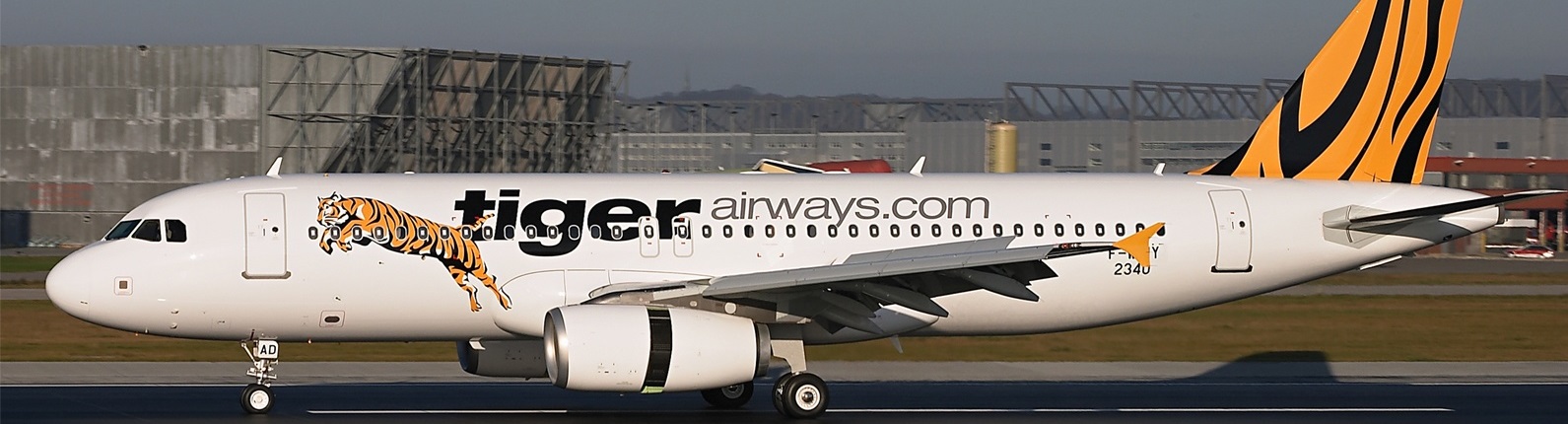
Tiger Airways was an airline found in the year 2003 and was serving as a low-cost carrier. The airline used to have its hub airport at Singapore's Changi Airport as well as its headquarters. The airline used to have a fleet size of 26 aircraft and was known as one of the most popular low-cost airlines in the world. However, in the year 2017, Tiger Airways merged with Scoot airlines and is now operating the brand name of Scoot.
Have a travel plan, choose My Flight Fares, and book your cheap Tiger Airways ticket with us right away!
No. Tiger Airways stopped operating under that name years ago — the original Tiger Airways brand ceased in 2013, then operated as Tigerair until it was merged into Scoot in 2017. Its Australian arm, Tigerair Australia, also shut down in 2020.
Singapore Airlines became the owner of Tiger Airways (later Tigerair) after gradually increasing its stake and fully acquiring Tiger Airways Holdings in 2016. The airline was later merged into Scoot in 2017.
Tiger Airways, when it operated, was a low-cost carrier, so “good” depended on your expectations: it offered cheap fares and basic service, but comfort, amenities, and punctuality were often limited compared to full-service airlines.
Tigerair shut down mainly because of financial losses, strong competition in the low-cost airline market, and restructuring by its parent companies; the Singapore brand was merged into Scoot in 2017 to simplify operations, while Tigerair Australia closed in 2020 after the COVID-19 travel collapse made it unprofitable.
In Singapore, Scoot replaced Tigerair after the two brands merged in 2017 under the Scoot name. In Australia, Tigerair Australia was not directly replaced, though routes were absorbed by other airlines after its closure in 2020.
Yes. Tigerair was merged into Scoot in 2017, so the Tigerair brand no longer exists and its operations continued under Scoot.
No. Tiger Airways and the later Tigerair brand are no longer flying; their operations were absorbed into Scoot, while Tigerair Australia also permanently shut down in 2020.
Yes. Tigerair was a low-cost airline focused on budget travel with cheaper fares and optional paid extras like baggage, meals, and seat selection.
Tiger Air, originally Tiger Airways, was gradually absorbed by Scoot in 2017 after Singapore Airlines acquired full ownership; the brand ceased operations, while its Australian branch, Tigerair Australia, shut down in 2020 due to financial losses and the COVID-19 impact.
When it operated, Tiger Airways (Tigerair) had a safety record comparable to other low-cost carriers in the region, with no major crashes, but like many budget airlines, it faced occasional minor incidents and maintenance challenges; it followed standard aviation regulations under Singapore’s strict oversight.
Tigerair ceased operations mainly because its parent, Singapore Airlines, decided to simplify its low-cost strategy by merging Tigerair into Scoot in 2017, removing brand overlap and improving efficiency, while its Australian arm later shut down due to heavy losses and the COVID-19 downturn in 2020.
Tigerair was ultimately owned by Singapore Airlines, which gradually increased its stake until fully acquiring it in 2016 before merging it into Scoot in 2017.
Yes. Tigerair was a budget airline offering low fares with optional paid services, typical of the low-cost carrier model.
Yes and no—Scoot and Tigerair were separate airlines, but in 2017 Tigerair was merged into Scoot by their parent company Singapore Airlines, so Tigerair no longer exists and its operations now continue under Scoot.
Tigerair mainly operated the Airbus A320 family, especially the Airbus A320-200, for short- and medium-haul routes, while its Australian subsidiary Tigerair Australia used Boeing 737-800 aircraft; after the merger into Scoot, these aircraft types were gradually integrated into Scoot’s fleet operations.
When it operated, Tigerair was considered a typical budget airline—good if you wanted very cheap fares, but basic in comfort, with extra charges for baggage, meals, and seat selection, and service quality that was generally average rather than premium.
On Tigerair, the standard ticket usually did not include checked baggage and only allowed a small cabin bag (about 7 kg), while checked luggage had to be purchased separately in different weight tiers depending on the route.
Yes. Tigerair was merged into Scoot in 2017, so Tigerair no longer exists as a separate brand and its operations continue under Scoot.
Singapore Airlines bought Tiger Airways Holdings, gradually increasing its stake and completing full ownership in 2016 before merging Tigerair into Scoot in 2017.
No, Tigerair no longer exists as an active airline brand; it was fully merged into Scoot in 2017, so its flights now operate under Scoot instead.
If you mean Tigerair, it is defunct—its operations were merged into Scoot in 2017, so the brand no longer flies.
Tigerair ceased operations as a separate brand on 25 July 2017, when it was merged into Scoot.
Yes, Tigerair was a budget airline that offered low fares with a no-frills model, where extras like baggage, meals, and seat selection were usually paid separately.
No, Tigerair is no longer operating as it was merged into Scoot in 2017, so all its former flights now run under the Scoot brand.
Tigerair was based in Singapore and operated as a Singapore-based low-cost carrier under Singapore Airlines ownership.
Tigerair was founded in 2003 in Singapore as a low-cost carrier backed by Singapore Airlines, started flights in 2004 across Asia-Pacific routes, expanded to Australia through Tigerair Australia, struggled with profitability and competition over time, was fully acquired by Singapore Airlines in 2016, and was merged into Scoot in 2017, ending the Tigerair brand.
Tigerair mainly used Airbus A320-family aircraft, especially the Airbus A320-200 for short and medium routes, while its Australian subsidiary operated Boeing 737-800s; after merging into Scoot, these fleets were gradually integrated into Scoot’s operations.
Tigerair was a typical budget airline—cheap fares and wide regional routes, but basic comfort, fewer included services, and variable customer experience compared to full-service carriers, so it was fine for low-cost travel but not premium or luxury.
Tigerair no longer exists as a separate airline; it was merged into Scoot in 2017, so all its operations now continue under the Scoot brand.
No, Tigerair no longer flies; it was merged into Scoot in 2017, and its former routes now operate under the Scoot brand.
Yes, Tigerair was a low-cost carrier, offering budget fares with a no-frills model where extras like baggage, meals, and seat selection were paid separately.
Tigerair was founded in 2003 and commenced operations on 15 September 2004, flying regional routes across Asia.
Tigerair Australia ceased operations in 2020 during the COVID-19 downturn and was not rebranded; its routes and capacity were absorbed by other airlines like Virgin Australia, so it no longer exists under any new name.
Tigerair was merged into Scoot in 2017 after Singapore Airlines fully acquired it, while its Australian branch, Tigerair Australia, shut down in 2020 due to financial losses and the COVID-19 impact, ending the Tigerair brand entirely.
Tigerair was owned by Singapore Airlines, which gradually took full control in 2016 before merging it into Scoot in 2017.
Yes, Tigerair Taiwan is a budget (low-cost) airline, operating short-haul routes mainly in East and Southeast Asia with a no-frills model where extras like baggage, meals, and seat selection are usually paid separately.
Tigerair was owned by Singapore Airlines its stake and fully acquired Tigerair in 2016 before merging it into Scoot in 2017.
Tigerair Australia shut down permanently in 2020 after heavy financial losses and the collapse in demand during COVID-19, and its routes and aircraft were absorbed into Virgin Australia instead of continuing under the Tigerair brand.
There isn’t a widely known airline called “Flying Tiger Airlines”; if you mean Tigerair, it was merged into Scoot in 2017, and its Australian branch, Tigerair Australia, shut down in 2020.
There’s no single “most luxurious” airline, but some of the most consistently ranked luxury carriers are Emirates, Qatar Airways, and Singapore Airlines, known for premium cabins, excellent service, and high-end features like suites, fine dining, and luxury lounges; among these, Qatar Airways’ Qsuite and Singapore Airlines’ Suites Class are often considered top-tier in the industry.
No airline officially called “Flying Tiger Airlines” is currently operating; if you meant Tigerair, it was merged into Scoot in 2017, and its Australian arm, Tigerair Australia, closed in 2020, so the “Tiger” airline brands are no longer active today.
No, Tigerair is no longer flying, as it was merged into Scoot in 2017 and its operations now continue under the Scoot brand.
Tigerair was considered good for budget travelers, offering very low fares and basic regional service, but comfort, amenities, and reliability were limited compared to full-service airlines, so it suited cost-conscious passengers rather than those seeking luxury or premium service.
Singapore Airlines took over Tigerair acquiring it in 2016 before merging it into Scoot in 2017.
Tigerair was decent for budget travel, offering very low fares and basic regional service, but its comfort, amenities, and punctuality were limited compared to full-service airlines, so it was best suited for travelers prioritizing cost over luxury.
Tigerair effectively went out of business on 25 July 2017, when it was merged into Scoot
Tigerair was merged into Scoot on 25 July 2017, after being fully acquired by Singapore Airlines; since then, the Tigerair brand has been discontinued and all flights now operate under Scoot.
No, Tigerair no longer exists as a standalone airline; it was merged into Scoot in 2017, and its operations now continue under the Scoot brand.
Yes, Tigerair was merged into Scoot in 2017, so it no longer exists as a separate airline and its routes now operate under Scoot.
Yes, Tigerair was a budget airline with a low-cost, no-frills model where tickets were cheap but extras like baggage, meals, and seat selection were paid separately.
Can you clarify which “Flying Tigers” you mean—the American Volunteer Group in World War II, or a modern airline nickname? If it’s the WWII unit, they were credited with shooting down about 296 Japanese aircraft while losing 14 of their own planes.
Tigerair was a budget airline—affordable and practical for short regional trips, but with basic comfort, limited amenities, and extra charges for baggage, meals, and seat selection, so it suited travelers prioritizing cost over luxury.
It depends on the airline, but generally you manage a booking by going to the airline’s website or app, selecting “Manage Booking” or “My Trips,” and entering your booking reference (PNR) plus last name to view or change flights, seats, baggage, or contact details.
To check your flight booking, go to the airline’s official website or mobile app, open the “Manage Booking” or “My Trips” section, and enter your booking reference (PNR) along with your last name or email to view your flight details, status, and any changes.
No, Tigerair no longer exists; it was merged into Scoot in 2017, so all its flights now operate under the Scoot brand.
It depends on the airline and country rules, but many airlines allow a full refund within 24 hours of booking only if the flight is booked directly with them and the departure is usually at least 7 days away; otherwise, budget airlines often charge cancellation fees or only offer credit, so you need to check the specific airline’s “24-hour cancellation policy” for your ticket.
There isn’t a single global rule, but many countries and airlines follow a “24-hour risk-free cancellation” policy: if you cancel a flight within 24 hours of booking and the flight is more than 7 days away, you can get a full refund. Beyond that, cancellation rules vary by airline and ticket type—budget fares often incur fees or only provide credit, while flexible tickets may allow full refunds closer to departure.
Yes, a non-refundable ticket can usually be cancelled, but you typically won’t get your money back in cash—you may instead receive a travel credit or voucher minus cancellation fees, depending on the airline’s policy and fare rules.
Tigerair was generally considered a basic, budget-friendly airline—good for cheap fares and short regional trips, but with limited comfort, fewer included services, and variable punctuality, so it was suitable mainly for cost-conscious travelers rather than those expecting premium service.
Tigerair was owned by Singapore Airlines gradually acquired full ownership by 2016 before merging Tigerair into Scoot in 2017.
Tigerair primarily operated Airbus A320-family aircraft, especially the A320-200 for regional flights, while its Australian subsidiary used Boeing 737-800s; after merging into Scoot, these planes were integrated into Scoot’s fleet.