





Your calls answered by leading travel experts in under 5 seconds.

Unpublished offers and great discounts when you book on-call.

Hand-crafted travel itinerary that meet all your travel preferences.

Round-the-clock customer service to get all your doubts clarified.
When you plan a vacation to a destination and want to book your Virgin Australia flight tickets, then reach out to My Flight Fares. Our travel experts guide you through the booking process and help you score great airfares in your desired budget. We have flight offers from our inventory of 450+ airline options. Starting from Economy, First and Business Class tickets, My Flight Fares travel experts can give you various other services on your Virgin Australia bookings like extra luggage, priority check-in, in-flight meals, and more.
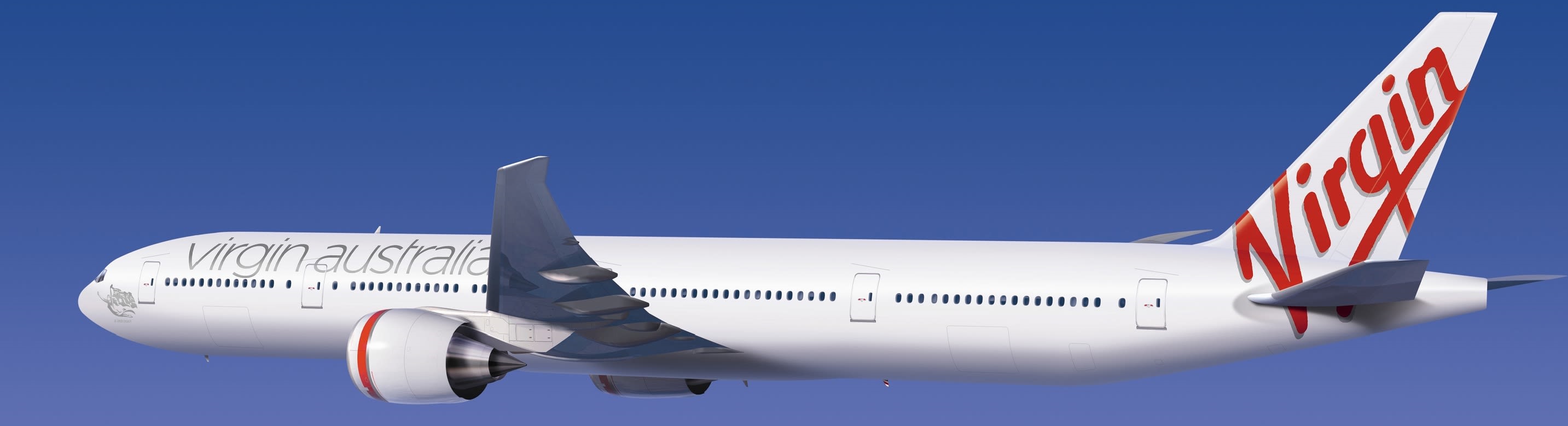
Virgin Australia was formerly known as Virgin Blue, and it is an Australia-based airline. The airline has its headquarters in Brisbane and hub airport as Brisbane Airport, Melbourne Airport, and Sydney Airport. The airline has a current fleet size of 64 in-service aircraft that fly to 45 destinations worldwide. Richard Branson is the founder of Virgin Australia.
To book a flight with Virgin Australia, go to their official website or app, enter your departure and arrival cities, travel dates, and passenger details, then choose your preferred flight and fare, add any extras like baggage or seat selection, and complete payment to receive your booking confirmation and e-ticket.
Generally, airlines do not allow full name changes on a plane ticket, but some allow minor corrections (like fixing a spelling mistake) for a fee; completely changing the passenger usually requires cancelling the original ticket and booking a new one, which may involve paying fare differences and cancellation charges.
You can check in for a Virgin Atlantic flight online or via the app starting 24 hours before departure, and airport check-in/bag drop usually opens about 3 hours before international flights, so you can choose seats, add baggage, and get your boarding pass during that 24-hour window before your flight.
To change a booking with Virgin Australia, go to their website or app and open “Manage Your Booking”, enter your booking reference and last name, then select change flight to update dates, times, or routes; you’ll need to pay any fare difference and possible change fees depending on your fare type, and some discounted fares may not allow changes at all.
On Virgin Australia, seat selection fees vary by fare and route: for most Economy fares, standard seats cost around AUD 5–15 (≈ ₹300–₹900) per flight, preferred or extra-legroom seats cost AUD 15–40 (≈ ₹900–₹2,400), while Business Class usually includes free seat selection.
On Virgin Australia, you usually get free seat selection if you book Business Class or a higher-tier frequent flyer status, or if your Economy fare is flexible or includes extras; otherwise, free seats may only be assigned automatically at online check-in (24 hours before departure).
With Virgin Australia, you can usually select a free seat if you have a Business Class ticket, a flexible Economy fare, or higher-tier Velocity frequent flyer status; for most discounted Economy fares, free seat assignment may only happen automatically during online check-in, 24 hours before departure.
You can usually check in for a Virgin Australia flight online or via the app starting 48 hours before departure, while airport check-in typically opens about 2–3 hours before domestic flights and 3 hours before international flights, depending on the airport and route.
On Virgin Australia, “Preferred Seating” refers to Economy seats located in more desirable areas of the cabin, such as the front rows or exit rows with extra legroom, which offer faster boarding and deplaning or more space than standard seats, and these seats usually cost extra unless you have a flexible fare or higher frequent flyer status.
On Virgin Atlantic, seat selection in Economy usually costs about £20–£60+ per seat if you choose it in advance, with standard seats cheaper and exit-row or preferred seats costing more, while many Economy fares allow free seat selection only at online check-in (24 hours before departure), and Premium or Upper Class generally include free seat selection.
Virgin Australia’s baggage allowance depends on your fare and route: for Domestic flights, Economy usually includes 1 checked bag up to 23kg, Premium Economy 2 bags up to 23kg each, and Business 2 bags up to 32kg each; all passengers can bring 1 cabin bag (7–10kg) plus 1 small personal item. For international flights, allowances are similar but may vary by destination, so check your booking for exact limits.
Qantas is generally considered more reliable and extensive, with a larger domestic and international network, strong safety record, and premium lounges, while Virgin Australia is often cheaper with competitive fares and good service, especially for domestic travel; choice depends on whether you prioritize coverage, loyalty benefits, or cost.
A good Economy seat pitch is usually around 31–32 inches (about 79–81 cm), which gives enough legroom for most passengers on medium to long flights, while anything 34 inches or more feels spacious and anything below 30 inches can feel tight, especially on long-haul routes.
To select your seat on a Virgin Atlantic flight, go to “Manage My Booking” on their website or app, enter your booking reference (PNR) and last name, then open the seat map and choose an available seat; depending on your fare, seat selection may be free or require a fee, and you can also pick a seat during online check-in starting 24 hours before departure.
Seat selection costs on Virgin Atlantic depend on fare type and seat location: standard Economy seats are usually £20–£40, preferred or extra-legroom seats can cost £40–£60+, while Premium Economy and Upper Class generally include free seat selection; fees are higher if you pay at the airport instead of online.
Both Qantas and Virgin Australia have excellent safety records, but Qantas is often regarded as slightly safer historically, being one of the world’s most accident-free airlines with decades of innovation in safety practices; Virgin Australia also maintains a very strong safety record, meeting all international aviation standards.
On Virgin Atlantic, you can get free seat selection if you have a Premium Economy or Upper Class ticket, hold Silver or Gold Flying Club status, or purchase a fully flexible Economy fare; for most standard Economy fares, free seats are only assigned automatically during online check-in, 24 hours before departure.
The cheapest months to fly to Australia are usually May, June, and September, when demand is lower outside peak holiday seasons; airfare tends to be higher during December–January (summer) and July–August (school holidays), so traveling in the shoulder months can save money.
Qantas is widely regarded as the safest airline in Australia and one of the safest in the world, with a long-standing zero fatality record on jet aircraft, rigorous safety protocols, modern fleet, and extensive pilot training, making it the benchmark for airline safety in the region.
Virgin Australia is generally considered better than Jetstar for comfort, service, and flexibility, offering larger seat pitch, free checked baggage on many fares, loyalty benefits, and better in-flight amenities, while Jetstar is a low-cost carrier with lower fares but stricter baggage rules, extra fees, and more basic service.
No, Qantas is bigger than Virgin Australia in terms of fleet size, route network, and international reach; Qantas is Australia’s flag carrier with a larger domestic and global presence, while Virgin Australia is smaller, focusing more on domestic and regional routes with limited international destinations.
For domestic flights in Australia, Qantas is often considered the best for reliability, extensive routes, and service quality, while Virgin Australia is a strong alternative offering good service at slightly lower prices and a comfortable experience; for the lowest fares, Jetstar Airways is usually the cheapest but more basic, so the “best” depends on whether you prioritize price, comfort, or flexibility.
Yes, on Virgin Atlantic you can take one cabin bag (up to 10 kg) plus one small personal item like a handbag, laptop bag, or small backpack, as long as the cabin bag fits overhead bin size limits and the personal item fits under the seat in front of you.
On Virgin Atlantic, hand luggage (cabin bag) is usually allowed up to 10 kg, with size limits around 56 × 36 × 23 cm, plus one small personal item that must fit under the seat in front of you.
British Airways is generally better for global network, frequent long-haul options, and airport connectivity (especially Heathrow hubs), while Virgin Atlantic is often preferred for more modern cabins, better seat comfort in Upper Class, and a more premium onboard experience on key routes like London–US/India, so the “better” choice depends on whether you value network and consistency (BA) or comfort and service style (Virgin).
As of 2026, Virgin Australia’s fleet consists of around 100–110 aircraft, primarily a mix of Boeing 737s for domestic and short-haul flights, and a few Airbus A330s and A321s for regional and international routes, with ongoing fleet updates to modernize and improve efficiency.
The cheapest airline to fly within Australia is usually Jetstar, a low-cost carrier offering very low base fares on domestic routes, though you’ll pay extra for baggage, seat selection, and meals; for a balance of price and comfort, Virgin Australia often provides slightly higher fares but includes more services.
There isn’t a single airline that consistently “has the most cancellations” in Australia, but **Jetstar Airways and sometimes Virgin Australia tend to have more cancellations and delays than Qantas during peak weather or operational disruptions, mainly because low-cost and high-volume routes are more sensitive to staffing, demand, and weather; however, cancellation rates change by season, route, and airport, so no airline is always the worst overall.
Virgin Australia was founded in 2000 as Virgin Blue, so as of 2026, the airline is 26 years old.
A pilot at Virgin Australia typically earns about AUD 90,000–140,000 per year for a first officer (junior pilot) and around AUD 180,000–300,000+ per year for a captain, with senior long-haul captains potentially earning even more depending on experience, aircraft type, and flight hours.
Flight attendants (cabin crew) at Virgin Australia typically earn around AUD 50,000–70,000 per year for standard domestic routes, with additional allowances for international flights, overnight layovers, and seniority; exact pay varies with experience, base location, and hours flown.
Yes, Virgin Australia is gradually recovering and growing after restructuring in 2020, expanding its domestic network, regional routes, and limited international flights, while modernizing its fleet and partnerships to compete with Qantas and low-cost carriers, though it remains smaller than its main rival.
Virgin Australia has its main hub at Brisbane Airport (BNE), with major secondary hubs in Sydney, Melbourne, and Perth, which support its domestic network and limited international routes.
No, Virgin Australia currently does not operate direct flights to India; passengers traveling between Australia and India typically connect via partner airlines or other international carriers through hubs like Singapore, Dubai, or Kuala Lumpur.
Currently, the main Indian cities with direct flights to Australia are Delhi, Mumbai, and Bengaluru, with airlines like Air India, Qantas, and Singapore Airlines (via codeshare/stopovers) offering non-stop or single-stop services to major Australian cities such as Sydney, Melbourne, and Perth.
Virgin Australia’s longest flight is typically Sydney to Denpasar (Bali, Indonesia) for its international network, around 6–7 hours, while most domestic flights are shorter, with some of the longest domestic routes like Perth to Brisbane or Melbourne taking about 5–6 hours.
Virgin Australia’s fleet in 2026 includes roughly 100–110 aircraft, mainly Boeing 737s for domestic and short-haul routes, plus a small number of Airbus A330s and A321s for regional and limited international flights.
Flying Virgin Australia offers benefits like modern, comfortable cabins, competitive fares, and flexible fare options, a frequent flyer program (Velocity) with rewards and upgrades, priority services for higher-tier members, in-flight entertainment and Wi-Fi on many flights, and a decent network of domestic and regional routes with occasional international connections.
The nationality that visits Australia the most is usually Chinese tourists, followed by New Zealanders, British, and American travelers, with tourism numbers fluctuating year to year but consistently showing strong inbound travel from Asia and Europe.
Yes, Virgin Australia is gradually updating and expanding its fleet, mainly by adding newer Boeing 737 MAX aircraft and refreshing older 737 models to improve fuel efficiency, reduce emissions, and enhance passenger comfort, as part of its ongoing post-restructuring modernization plan.
Yes, Virgin Australia provides complimentary meals and beverages on international flights for most fare classes, with premium dining in Business and Premium Economy and lighter meals or snacks in Economy, plus options to pre-order special meals like vegetarian, vegan, or religious-specific dishes.
Yes, you can bring your own food on a Virgin Atlantic flight, as long as it is solid food (like sandwiches, snacks, or fruit) and complies with airport security rules; however, liquids, soups, and spreads over 100 ml are restricted, and some countries may also limit bringing fresh food through customs on arrival.
Yes, Virgin Australia provides free water and soft drinks on all flights, including domestic and international routes, and passengers in Premium Economy or Business Class also receive complimentary alcoholic beverages and premium drink options.
Yes, on Virgin Atlantic you usually get blankets and pillows on long-haul international flights, especially in Economy, Premium Economy, and Business Class, though availability can vary by route and aircraft, and on shorter flights they may not always be provided unless requested or included in premium cabins.
The cheapest months to fly to Australia are usually May, June, and September, when tourism is lower and airfares drop outside peak holiday periods, while flights are more expensive during December–January (summer) and July–August school holidays.
On Virgin Australia domestic flights, non-alcoholic drinks like water, tea, and coffee are usually free, but soft drinks or alcoholic beverages may cost extra in Economy, while Premium Economy and Business Class generally include complimentary drinks and alcohol.
Yes, on Virgin Australia, Economy passengers usually get free light snacks on longer domestic flights and all international flights, along with complimentary water, tea, and coffee, while additional food items or premium meals may cost extra depending on the route and fare.
Virgin Australia serves complimentary snacks and beverages on most domestic and regional flights, including items like sandwiches, wraps, and small packaged snacks, with hot meals, premium snacks, and alcoholic drinks offered on longer domestic and international flights, while Premium Economy and Business Class enjoy enhanced multi-course meals, special dietary options, and premium drinks.
On Virgin Atlantic, a Hindu meal (HNML) is a special pre-ordered in-flight meal prepared according to Hindu dietary guidelines, typically avoiding beef and pork and often focusing on vegetarian-style or lightly spiced non-vegetarian dishes without strong ingredients like onion or garlic, depending on the catering standard, and it must be requested in advance through booking or “Manage My Booking.”
Yes, you can bring your own snacks on a Virgin Australia flight, such as sandwiches, fruit, or packaged items, as long as they comply with airport security rules (liquids and gels must be under 100ml), though they may be subject to customs restrictions on international flights.
On Virgin Atlantic international flights, baggage allowance depends on your fare: Economy Light has no checked bag, Economy Classic/Delight includes 1 checked bag up to 23 kg, Premium Economy includes 2 checked bags of 23 kg each, and Upper Class includes 2 checked bags up to 32 kg each, plus all passengers get 1 cabin bag (up to 10 kg) and 1 small personal item.
Yes, on Virgin Atlantic, Premium Economy does not usually include free Virgin Clubhouse lounge access, but you may be able to enter by paying for entry (where available), using Flying Club status benefits (Silver/Gold), or via partner lounge access at certain airports, depending on the route and airport.
Yes, on Virgin Atlantic, Premium Economy does not usually include free Virgin Clubhouse lounge access, but you may be able to enter by paying for entry (where available), using Flying Club status benefits (Silver/Gold), or via partner lounge access at certain airports, depending on the route and airport.
On Virgin Australia, inflight food depends on route and cabin: Economy on domestic flights usually gets complimentary snacks and drinks (like wraps, biscuits, and tea/coffee), but meals and alcohol often cost extra, while long-haul international flights include complimentary hot meals, snacks, and beverages, and Business Class offers multi-course meals with premium drinks and more menu choice.
On Virgin Australia, checked baggage allowance depends on fare: Economy typically includes 1 bag up to 23 kg, Premium Economy includes 2 bags up to 23 kg each, and Business Class includes 2 bags up to 32 kg each, though some cheaper fares may not include checked baggage at all and require it to be purchased separately.
On Virgin Atlantic, the number of suitcases you can take depends on your fare: Economy Light includes 0 checked bags, Economy Classic/Delight includes 1 suitcase (up to 23 kg), Premium Economy includes 2 suitcases (23 kg each), and Upper Class includes 2 suitcases (up to 32 kg each), plus all passengers can also bring 1 cabin bag and 1 small personal item.
On Virgin Atlantic, extra checked baggage usually costs about £55–£65 per 23 kg bag if added online in advance, and around £65–£100+ at the airport, with additional bags or overweight luggage charged separately depending on route and fare rules.
Virgin Australia is fairly strict with carry-on rules: Economy passengers must keep within the 7–10 kg cabin allowance (depending on fare) plus size limits, and staff may check or weigh bags at the gate or check-in; if you exceed limits, your bag can be moved to checked baggage with extra fees, so it’s best to stay within the allowance to avoid surprises.
Yes, with Virgin Australia you can effectively “add” extra carry-on by upgrading your fare or using add-ons like paid baggage allowance, but you can’t usually buy an additional separate cabin bag beyond the standard limit—so if you need more than the allowed 7–10 kg (depending on fare), you must pre-purchase checked baggage instead, which is the main way to carry extra weight.
On Virgin Atlantic, hand luggage (cabin bag) is usually limited to 10 kg for Economy and Premium Economy, with size limits around 56 × 36 × 23 cm, plus a small personal item like a handbag or laptop bag that must fit under the seat in front of you.
For Virgin Australia, extra baggage typically costs about AUD $55–$75 per 23 kg bag if you pre-book online, around AUD $60–$100 via customer service, and up to AUD $110–$160 at the airport (domestic flights), while international routes can be higher depending on destination; overweight bags (23–32 kg) usually cost an additional about AUD $65 per piece, and bags over 32 kg are not accepted at all.
For flights to Australia, baggage allowance depends on the airline and fare, but most full-service airlines (like Qantas or Virgin Australia) typically allow 1 checked bag up to 23 kg in Economy, 2×23 kg in Premium Economy, and 2×32 kg in Business Class, plus about 7–10 kg of carry-on baggage, while low-cost airlines may charge extra for checked luggage.
On Virgin Australia, the number of checked bags you can take depends on your fare and status: most Economy fares include 1 checked bag up to 23 kg, Premium Economy includes 2 bags of 23 kg each, and Business Class includes 2 bags up to 32 kg each, while some cheaper “Lite” fares include no checked baggage unless you buy it separately, and you can usually add extra bags for a fee if needed.
You can usually check in for a Virgin Australia flight online or via the app starting 48 hours before departure, and this online check-in closes about 30–45 minutes before domestic flights (and around 90 minutes before international flights), while airport check-in and bag drop typically opens 2–3 hours before departure, depending on whether the flight is domestic or international.
For Virgin Australia, an extra checked bag (23 kg) usually costs about AUD $55–$75 if pre-booked online, around AUD $60–$100 via customer service, and up to AUD $110–$170 at the airport (domestic routes), with international routes sometimes costing more depending on the destination and timing of purchase.
For Virgin Australia, a standard checked bag (up to 23 kg) typically costs about AUD $55–$75 if you pre-book online, around AUD $60–$100 if added after booking, and up to about AUD $110–$170 at the airport on domestic flights, depending on route and peak travel dates; overweight bags (23–32 kg) are charged separately, usually about AUD $65 per bag.
You may not be able to check in online with Virgin Australia due to reasons like your booking requiring manual document checks (passport/visa), an unconfirmed or travel-agent booking, group booking restrictions, international visa verification, or airport-only check-in routes, and in these cases you’ll need to check in at the airport counter instead.
On Virgin Australia, seat selection usually costs about AUD $5–$15 for standard Economy seats, while preferred or extra-legroom seats cost roughly AUD $15–$40+ per flight, depending on route and seat location; however, many fares like Economy Choice or Flex include free standard seat selection, and within 48 hours of departure, some remaining seats may be selected for free at check-in.
On Virgin Atlantic, seat selection usually costs about £20–£60+ per seat in Economy, depending on whether it’s a standard, preferred, or extra-legroom seat, while Premium Economy and Upper Class typically include free seat selection; prices are higher if you choose seats later or at the airport.
On Virgin Atlantic, seat selection fees in Economy are usually around £20–£60+ per seat, with standard seats at the lower end and preferred or extra-legroom seats costing more, while Premium Economy and Upper Class generally include free seat selection depending on the fare.
Yes, Virgin Australia Business Class is generally considered very good for domestic and short-haul international flights, offering wider leather seats (often with extra recline or lie-flat on some routes), priority check-in and boarding, lounge access, premium meals and drinks, and more baggage allowance, making it a strong value option compared to full-service competitors, though it’s less luxurious on long-haul routes than some international business classes.
Virgin Australia Business Class includes priority check-in, boarding and baggage handling, access to Virgin Australia lounges, a larger and more comfortable seat (lie-flat on some international routes), premium meals and drinks, increased baggage allowance (usually 2×32 kg internationally), in-flight entertainment, and extra service perks, making it a more comfortable and premium travel experience than Economy.
Yes, Virgin Atlantic Business Class (Upper Class) is widely considered very good, offering lie-flat seats, direct aisle access, priority airport services, lounge access, high-quality meals, and strong service on long-haul routes, especially between the UK and the US/Asia, making it competitive with other major full-service airlines in its category.
Yes, Virgin Australia has Business Class on both domestic and some international flights, offering priority services, lounge access, larger recliner or lie-flat seats (depending on aircraft), premium meals and drinks, and extra baggage allowance, making it a higher-comfort option than Economy.
Yes, Virgin Australia Business Class includes complimentary premium meals, snacks, and beverages, with higher-quality multi-course dining on longer flights and a wider selection of drinks, including alcohol, compared to Economy.
British Airways and Virgin Atlantic both offer strong business class products, but Virgin Atlantic is often preferred for more modern suites, better seat privacy on many aircraft, and a more relaxed onboard experience, while British Airways tends to be better for lounge network, global connectivity, and more consistent seat availability across routes, so Virgin usually wins on onboard comfort and BA on overall network and airport experience.
For Virgin Australia Business Class, there’s no formal dress code, but most passengers wear smart-casual or neat travel clothing like shirts, polos, dresses, or comfortable trousers, while avoiding overly casual items like sleepwear or beachwear; the focus is on comfort with a slightly polished look for a premium cabin.
No, Virgin Australia is not a low-cost airline; it is a full-service carrier that offers Economy, Premium Economy, and Business Class with included services like baggage options, lounges (for eligible fares), and complimentary food on many international flights, although it competes on price with budget airlines like Jetstar.
On Virgin Australia Boeing 737 Business Class cabins, there are typically about 8 to 10 seats per aircraft, depending on the configuration, while larger aircraft used on select international routes (like the Airbus A330 when operating) can have 20+ Business Class seats with lie-flat beds.
On Virgin Australia Business Class, you get priority check-in, boarding, and baggage handling, lounge access, extra baggage allowance, premium meals and drinks, larger reclining or lie-flat seats (depending on aircraft), in-flight entertainment, and more personal service, making travel more comfortable and efficient than Economy.