





Your calls answered by leading travel experts in under 5 seconds.

Unpublished offers and great discounts when you book on-call.

Hand-crafted travel itinerary that meet all your travel preferences.

Round-the-clock customer service to get all your doubts clarified.
When you plan a vacation to a destination and want to book your VivaAerobus flight tickets, then reach out to My Flight Fares. Our travel experts guide you through the booking process and help you score great airfares in your desired budget. We have flight offers from our inventory of 450+ airline options. Starting from Economy, First and Business Class tickets, My Flight Fares travel experts can give you various other services on your VivaAerobus bookings like extra luggage, priority check-in, in-flight meals, and more.
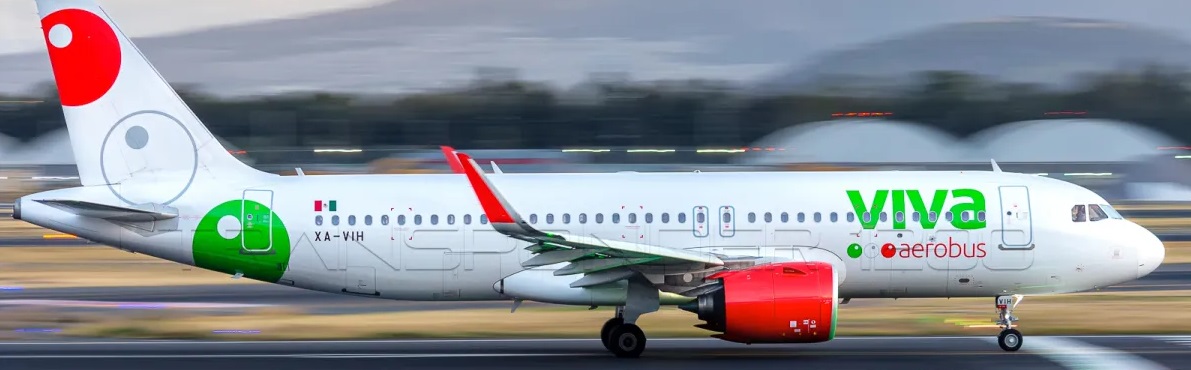
VivaAerobus is a low-cost Mexican airline that is in Apoceda, Mexico. The operating bases of VivaAerobus are Cancún International Airport, Guadalajara International Airport, and Mexico City International Airport. The current in-service fleet size of VivaAerobus is 41 aircraft that fly to 42 destinations worldwide.
Yes, but whether you get a refund depends on your ticket and timing. Generally, Viva Aerobus allows a full refund if you cancel within 24 hours of booking, provided the flight was booked at least 7 days before departure; after that, most fares are non-refundable unless you purchased refund protection, the airline cancels or significantly delays the flight, or special circumstances apply.
Yes, Viva Aerobus may let you take an earlier flight on the same route if seats are available. If you have a Flex Pass, the change can be free; otherwise, eligibility depends on your fare type and airline policies at the time. It's best to ask at the airport check-in counter or contact Viva Aerobus before travel.
For most Viva Aerobus flights, online check-in opens between 24 hours and 10 days before departure (depending on your fare type) and typically closes 1–4 hours before the flight. If you're checking in at the airport, arrive at least 2 hours before domestic flights and 3 hours before international flights.
Yes, you can choose your seat on Viva Aerobus when booking, during online check-in, or later through your reservation. Seat selection usually requires an extra fee unless it's included in your fare or package; otherwise, the airline will assign a seat automatically.
Yes, but it depends on your fare. All Viva Aerobus fares include at least one free personal item that fits under the seat, while many fares (such as Light and Smart) also include a free carry-on bag up to 10 kg. The cheapest fares may include only the personal item, so check your booking details to confirm your allowance.
Checked bag fees on Viva Aerobus vary by route, bag weight, fare type, and whether you buy the baggage online or at the airport. A first checked bag often starts around US$30 when purchased in advance, while airport prices can be significantly higher. Buying baggage before your flight is usually the cheapest option.
Yes, Viva Aerobus does cancel flights from time to time due to weather, operational issues, airport disruptions, or air traffic restrictions. There have been multiple reports of Viva Aerobus flight cancellations and delays across Mexico in recent months, although this does not mean your specific flight is canceled. If you want to check your flight, use the official Viva Aerobus Flight Status page and enter your flight number or route.
Yes. A 13-year-old can fly on Viva Aerobus. Children aged 13 and older are generally allowed to travel alone without using the airline’s unaccompanied minor service, though they must have the required identification and any travel documents needed for the route. For international flights, additional documentation or parental authorization may be required.
Yes, like many airlines, Viva Aerobus may overbook some flights to account for no-shows. If more passengers show up than there are seats, some travelers can be denied boarding, and Viva Aerobus states that eligible passengers may receive compensation and be rebooked on another flight.
Viva Aerobus is usually quite strict on carry-on size and especially weight, because they are a low-cost airline and often enforce rules at check-in or the boarding gate; your bag can be measured in a sizer and may be gate-checked or charged if it’s over even slightly. However, in practice enforcement can vary by airport and flight load—some passengers report light checks, while others do get asked to pay or check the bag if it doesn’t fit exactly.
Viva Aerobus mainly operates an all-Airbus fleet made up of single-aisle aircraft, especially the Airbus A320 family (A320, A320neo, A321 and A321neo), which are used for both domestic and international routes; it previously used Boeing 737s in its early years but now fully focuses on Airbus jets for efficiency and low-cost operations.
You might not be able to check in for a Viva Aerobus flight because online check-in hasn’t opened yet, your booking has a restriction (like unpaid balance, missing passenger info, or a change in schedule), or the system is temporarily down. It can also happen if you’re too early or too close to departure, or if the airline requires airport check-in for certain international routes or document verification, so it’s best to double-check your booking details or try again closer to the allowed check-in window.
Viva Aerobus usually charges overweight baggage fees per kilogram or per weight upgrade, and the exact cost depends on your route and whether you pay in advance or at the airport. Typically, increasing a bag from the standard 15–25 kg allowance costs about $11–$60 USD online, while paying at the airport can raise it to around $20–$64 USD or more, and true overweight (exceeding the limit) is charged extra per kg on top of that.
Viva Aerobus is a low-cost airline with mixed reliability—it’s generally safe and operates modern Airbus planes, but it has a strong reputation for delays, strict baggage enforcement, overbooking issues, and inconsistent customer service. Many passengers report normal, trouble-free flights, especially on short domestic routes, but negative reviews are also very common, with complaints about cancellations, long waits, and poor support during disruptions . Overall, it’s “reliable enough” if you’re flexible and expect a budget experience, but not ideal if you need high punctuality or strong service guarantees.
You can get your Viva Aerobus boarding pass by doing online check-in on their website, mobile app, WhatsApp (Vivabot), or at the airport counter using your booking code and last name; after completing check-in, you can download the boarding pass as a PDF, receive it by email, or save it to your phone wallet as a QR code for scanning at the airport.
Yes, Viva Aerobus gives refunds only in limited cases—mainly if you cancel within 24 hours of booking (and the flight is at least 7 days away), or if the airline cancels your flight or you bought a refundable add-on like Flex Pass; most basic tickets are non-refundable, so instead you may get a credit or pay change fees depending on your fare.
You can usually check in for Viva Aerobus online starting 24 hours before departure (and up to about 10 days in some fare types), while airport check-in opens earlier at the counter but still closes a few hours before departure, so it’s best to check in as soon as the 24-hour window opens to avoid issues or seat changes.
Viva Aerobus generally has a low but real cancellation rate of about ~0.5% to 1% of flights per year, meaning most flights do operate normally, but occasional cancellations and delays still happen due to weather, aircraft rotations, maintenance, or operational issues. In some recent data sets, monthly cancellations are even lower (around 0.1%–0.2%), but passenger experience can still feel worse during disruption periods because delays and rebookings cluster on certain routes or days.
No, Viva Aerobus does not have first class because it is a low-cost airline that only operates an economy-style cabin with optional paid upgrades like better seat selection or extra legroom, but there are no separate business or first-class sections or luxury services.
A Viva Aerobus first checked bag usually costs about $25–$30 USD if you pay in advance online, but if you add it at the airport it can go up to around $30–$40 USD or more per bag per flight, depending on the route and timing; prices increase further for extra bags or overweight luggage, so it’s always cheaper to pre-book baggage when you buy your ticket or manage your booking online.
Viva Aerobus is cheaper but more basic, while Aeroméxico is more reliable and full-service, so the “better” one depends on what you want: Viva is best for low fares with extra fees for bags and services and more variability in delays, while Aeroméxico is better for comfort, included baggage options, better on-time performance, and stronger customer service but usually at a higher price.
Yes, Viva Aerobus is a low-cost (budget) airline, meaning it offers very cheap base fares but charges extra for things like checked bags, seat selection, and other add-ons, following the “pay for what you use” model common among budget carriers.
Yes, Viva Aerobus is considered safe because it operates modern Airbus aircraft under strict aviation regulations and is certified by Mexico’s aviation authorities, and it follows international safety standards like other commercial airlines; its main drawbacks are service quality and delays, not safety concerns.
Viva Aerobus is an Airbus-only airline, meaning it operates aircraft from the Airbus A320 family (like A320 and A321 models) and does not currently use Boeing planes.
Viva Aerobus fares are usually not refundable, since most of their tickets are low-cost and non-refundable, but you can get a refund only in specific cases like canceling within 24 hours of booking (if conditions are met), or if the airline cancels the flight or you purchased a refundable add-on like Flex Pass.
Yes—Viva Aerobus usually gives 1 free personal item on every fare, but a standard carry-on bag is NOT always free; it’s included only on certain fares (like Light, Smart, or similar bundles) or if you pay for it, and the free item is just a small bag that fits under the seat (like a backpack or purse). For most basic fares, if you don’t add a carry-on option, you’ll only get the personal item and must pay extra for a cabin suitcase.
In 2026, Viva Aerobus checked baggage fees typically start around $25–$30 USD per bag if you buy online in advance, while airport prices are usually higher at about $30–$40+ USD per bag, depending on the route and timing; overweight or extra bags can cost roughly $10–$60 USD more or about $12 per kg at the airport on top of the base fee.
Viva Aerobus cancels flights mainly because of operational and external issues, not one single reason: common causes include weather conditions, airport disruptions or security incidents, aircraft maintenance or technical fixes, and schedule changes due to low-demand or cost-cutting route adjustments. Recently, cancellations have also happened due to mandatory Airbus software updates affecting A320 aircraft globally and other safety-related groundings, which temporarily remove planes from service , plus fuel price increases and operational restructuring that lead the airline to reduce or adjust certain flights. In short, most cancellations are either safety-related, outside airline control, or tied to cost and route optimization—not a single ongoing problem with every flight.
Yes, Viva Aerobus is a real, fully licensed commercial airline in Mexico. It operates scheduled passenger flights domestically and internationally, uses modern Airbus aircraft, and is regulated by aviation authorities just like any other major airline.
For Viva Aerobus, baggage allowance depends on your fare, but generally you get 1 free personal item (small backpack or purse under the seat) on all tickets, and a standard carry-on (up to about 10 kg / 22 lb, 55×40×25 cm) is included only on certain fares or if you pay extra, while checked baggage is not included on the cheapest fares and must be purchased separately; paid checked bags are usually 15 kg to 25 kg per bag, depending on the package you choose, and extra or overweight bags cost more.
Viva Aerobus does not include free snacks or meals on any flights, but it offers a buy-on-board menu where you can purchase snacks during the flight; options usually include things like chips, cookies, sandwiches, muffins, candy, coffee, soft drinks, juice, and sometimes alcoholic drinks, depending on the route and aircraft.
Viva Aerobus usually charges about $5 to $25 USD for seat selection in advance, depending on the seat type (standard seat, front seat, or extra-legroom seat) and how early you buy it; more premium seats like exit rows or front rows can cost higher, and prices are often cheaper online during booking than at the airport or later in your trip.
Viva Aerobus generally does not offer refunds on standard tickets, because most fares are non-refundable; you can only get your money back in specific cases like canceling within 24 hours of booking (if eligible conditions are met), if the airline cancels your flight, or if you bought a refundable add-on like Flex Pass, otherwise you usually receive credit or pay change fees instead of a cash refund.
For Viva Aerobus, adding a first checked bag usually costs about $25–$45 USD online in advance, depending on route, and about $35–$60+ USD if you add it closer to departure or at the airport, with higher prices for heavier (20–32 kg) bags or last-minute purchases. In general, the earlier you buy the baggage during booking, the cheaper it is, while airport prices are always the most expensive option.
Yes, but first clarification: “Viva Air” (the former Colombian airline Viva Air Colombia) is no longer operating—it shut down in 2023, so you can’t currently fly it. When it was operating, it met aviation safety regulations and was considered generally safe like other commercial airlines, but today the safer comparison would be active airlines such as Viva Aerobus or other carriers still in service.
Viva Aerobus is a budget airline in Mexico that’s good if your priority is low fares, but it’s not known for high comfort or premium service; it’s generally safe and reliable enough for most short domestic trips, but passengers often mention downsides like extra fees for bags and seats, strict baggage enforcement, and occasional delays or cancellations. So it’s “good” for cheap travel, but not the best choice if you want comfort, flexibility, or top-tier customer service.
Viva Aerobus is fairly strict with carry-on weight (about 10 kg / 22 lb limit), and they do enforce it more than many full-service airlines, especially at busy airports; if your bag looks heavy, they may weigh it at check-in or stop you at the gate and force you to check it with extra fees. In practice, small backpacks are usually fine, but anything close to or over the limit can easily get checked, so it’s best to stay under 10 kg to avoid surprises.
No, Viva Aerobus does not provide in-flight entertainment like movies or TV screens. Being a low-cost airline, it focuses on budget fares and optional paid services, so passengers can bring their own devices (phones, tablets, or laptops) and watch content offline during the flight.
Seat selection on Viva Aerobus usually costs about $5 to $25 USD per seat in advance online, depending on the seat type (standard, front row, or extra-legroom), and prices can go higher if you choose premium seats or buy at the airport or closer to departure. The cheapest standard seats are usually on the lower end, while exit rows and front seats cost more.
The main advantages of flying Viva Aerobus are low base fares, modern Airbus aircraft, extensive domestic routes in Mexico, and flexibility to add only the services you need (like baggage or seat selection), which can make travel cheaper if you pack light. It’s also relatively straightforward to book online, and optional paid upgrades—like extra-legroom seats or priority boarding—allow some customization while keeping the base ticket very affordable.
If Viva Aerobus cancels your flight, you are entitled to a full refund, a rebooking on the next available flight, or a voucher/credit depending on your preference and fare type. The airline typically notifies passengers by email or SMS, and you can request your refund or change your flight via their website, mobile app, or customer service; sometimes additional compensation may apply if the cancellation causes significant inconvenience, though policies vary by route and ticket class.
Volaris and Viva Aerobus are both Mexican low-cost carriers, but they differ in strengths: Volaris tends to have slightly better on-time performance, a larger route network, and a more modern app and booking system, while Viva Aerobus usually offers lower base fares and simpler fees for add-ons. Volaris may feel more reliable and easier for customer service, but Viva is often cheaper if you travel light and are flexible, so “better” depends on whether you value price over convenience and reliability.
Yes, you can take chips (and other solid snacks) in your carry-on with Viva Aerobus, since solid food like chips, cookies, or sandwiches is generally allowed through security and on board; just make sure they are properly sealed and don’t contain liquids or sauces that could be restricted.
No, Viva Aerobus does not offer in-flight entertainment like seat screens, movies, or Wi-Fi; passengers are expected to bring their own devices (phone, tablet, laptop) and download content beforehand if they want entertainment during the flight.
On Viva Aerobus, a personal item must fit under the seat and generally cannot exceed 40 × 30 × 15 cm (16 × 12 × 6 inches). Examples include a small backpack, handbag, or laptop bag, and it must stay within the weight limit of about 10 kg (22 lb).
Yes, Viva Aerobus is a legit, fully licensed commercial airline in Mexico that operates scheduled domestic and international flights using Airbus aircraft under official aviation regulations; it is not a scam, though it is a budget carrier, so it charges extra for services like baggage, seat selection, and onboard extras.
The airline code for Viva Aerobus is VB for IATA and VIV for ICAO.
As of 2026, Viva Aerobus operates a fleet of about 70–75 Airbus aircraft, mainly from the A320 family (A320 and A321, including the neo variants), all single-aisle planes optimized for low-cost domestic and short international routes.
Viva Aerobus allows one free personal item (like a small backpack or purse under 40×30×15cm) on all fares. Standard carry-on bags (up to 10kg) and checked luggage (usually 15–25kg per bag) are not included on the cheapest fares and must be purchased separately or come with higher fare types, with extra fees for overweight or additional bags.
Nothing “bad” has happened to Viva Aerobus in the sense of shutting down or going bankrupt—it is still fully operating flights normally. What has been happening is that, like many airlines, it has had occasional cancellations and delays due to weather, airport issues, maintenance, and industry-wide technical updates affecting Airbus A320 aircraft, plus some temporary disruptions and security-related incidents that briefly affect specific flights, not the whole airline . At the same time, it has also been expanding and even moving toward major business changes like a proposed merger with Volaris, showing it is still active and growing rather than collapsing.
On Viva Aerobus, seat selection typically costs $5–$25 USD per seat when purchased online in advance, depending on the type of seat (standard, front row, or extra-legroom). Premium or exit-row seats are usually at the higher end, and prices can increase if you select a seat at the airport or closer to departure.
Viva Aerobus operates an all-Airbus fleet, mainly from the Airbus A320 family, including the A320, A320neo, A321, and A321neo. These are single-aisle narrow-body jets designed for short to medium-haul flights, and the airline does not use Boeing aircraft anymore.
Viva Aerobus is moderately reliable: it generally maintains safety and completes most flights on time, but as a low-cost airline, it has a higher-than-average rate of delays and occasional cancellations compared with full-service carriers. Passengers often report strict baggage enforcement and limited customer service, so reliability is sufficient for budget travel if you’re flexible, but less ideal if you need punctuality or full-service support.
To manage a Viva Aerobus flight booking, go to their official website or mobile app, log in with your booking code and last name, and you can view your itinerary, change flights, add baggage, select seats, request refunds or credits, and check in. Some options, like changing flights or adding baggage, may incur fees depending on your fare type, while basic details like contact info or check-in are usually free.
You can check in online for Viva Aerobus by going to their official website or mobile app and entering your booking code (PNR) and last name, then following the steps to confirm passengers, add extras if needed, and download or save your boarding pass (QR code). Online check-in usually opens 24 hours before departure and can stay open until about 1–4 hours before the flight, depending on your fare type and route, and you can also check in via their app or WhatsApp bot if you prefer.
Viva Aerobus is a Mexican low-cost airline that operates domestic and short international flights, primarily using Airbus A320-family aircraft. It focuses on offering very low base fares with optional paid services for baggage, seat selection, and other extras, making it a budget-friendly option for travelers in Mexico and nearby countries.
Viva Aerobus is based in Mexico, and it operates as a Mexican airline with its main hub at Monterrey International Airport, serving both domestic routes within Mexico and international flights to the U.S. and other nearby destinations.
For Viva Aerobus, refunds usually take about 7 to 20 business days after approval, but it can sometimes take longer depending on your payment method, bank processing times, and whether it’s a full refund, credit, or cancellation due to the airline; credit refunds are often faster, while card refunds take the longest.
For Viva Aerobus, a first checked bag usually costs about $25–$45 USD if you buy it online in advance, while at the airport it typically goes up to around $35–$60+ USD per bag, depending on the route, travel date, and demand. Adding extra or heavier bags can cost even more, so it’s always cheaper to pre-book baggage online rather than paying at the airport.
Yes, Viva Aerobus has a cancellation policy, but it’s strict because most fares are non-refundable. You can cancel within 24 hours of booking for a full refund if the flight is at least 7 days away, or if the airline cancels your flight, you can get a refund or rebooking. Otherwise, cancellations usually result in travel credit or fees depending on your fare type and add-ons like Flex Pass.
You can get a full refund from Viva Aerobus only in specific cases: if you cancel within 24 hours of booking (and your flight is at least 7 days away), or if the airline cancels your flight; otherwise, most tickets are non-refundable, and you’ll usually receive travel credit or pay a change/cancellation fee depending on your fare and add-ons.
Yes, but only in limited cases: with Viva Aerobus you can get a full refund if you cancel within 24 hours of booking (and the flight is at least 7 days away) or if the airline cancels your flight; otherwise, most fares are non-refundable and you’ll usually get credit or pay cancellation/change fees depending on your ticket type.
Viva Aerobus is quite strict with carry-on rules, enforcing both size and weight limits. The free personal item must fit under the seat (about 40×30×15cm), and the standard carry-on bag (if included with your fare or purchased) must stay under 10kg / 22lb. Bags that are too large or heavy may be checked at the gate for an extra fee, so it’s best to weigh and measure your carry-on before arriving at the airport.
You can get a full refund from Viva Aerobus only in specific cases: if you cancel within 24 hours of booking (and the flight is at least 7 days away) or if the airline cancels your flight. Otherwise, most tickets are non-refundable, and canceling later usually gives you travel credit or requires paying change/cancellation fees depending on your fare type.
You can only get a full refund if you cancel within 24 hours of booking (and the flight is at least 7 days away) or if the airline cancels your flight. For all other cases, most tickets are non-refundable, and you’ll usually receive travel credit or need to pay change/cancellation fees depending on your fare and add-ons.
Most Viva Aerobus fares are non-refundable, meaning you generally cannot get a cash refund if you cancel. Refunds are only available in specific cases: cancellation within 24 hours of booking (if conditions are met), airline-initiated cancellations, or if you purchased a refundable add-on like Flex Pass; otherwise, you usually receive travel credit instead of money back.
To cancel a Viva Aerobus flight, go to their official website or app, enter your booking code and last name, open your reservation, and select “Cancel flight” (or modify booking options if cancellation isn’t directly shown); depending on your fare, you may get a refund, travel credit, or a cancellation fee, and if you can’t cancel online, you can do it through their customer service or at the airport counter.
For Viva Aerobus, the first checked bag usually costs $25–$45 USD if purchased online in advance, while at the airport it can go up to $35–$60+ USD per bag, depending on the route, travel date, and demand. Overweight or extra bags incur additional fees, so it’s cheaper to add baggage when booking rather than at the airport.
For Viva Aerobus, a standard carry-on bag is usually not free on the cheapest fares and typically costs about $10–$30 USD when added online in advance, while it can be more expensive if added later or at the airport; only a small personal item (like a backpack or purse under the seat) is included for free on all tickets.
On Viva Aerobus, all tickets include one free personal item (like a small backpack or purse) that fits under the seat. Standard carry-on bags (up to 10kg / 22lb) and checked baggage (usually 15–25kg per bag) are not included with the cheapest fares and must be purchased separately. Extra or overweight bags incur additional fees, so your total allowance depends on the fare type and any add-ons you buy.
For Viva Aerobus, extra baggage usually costs about $25–$45 USD per additional checked bag online in advance, but it can rise to $35–$60+ USD at the airport, and overweight charges are added on top (often roughly $10–$15 USD per extra kg, depending on the route). The earlier you prepay, the cheaper it is compared to airport prices.
Viva Aerobus’s baggage policy is fare-dependent: all tickets include one free personal item (small backpack or purse under the seat, ~40×30×15cm, up to 10kg). Standard carry-on bags (up to 10kg) and checked luggage (15–25kg per bag) must be purchased separately unless included in a higher fare. Extra, overweight, or oversized bags incur additional fees, and all baggage is strictly enforced at check-in and boarding.
To avoid baggage fees on Viva Aerobus, travel with only the free personal item that fits under the seat (like a small backpack or purse), pack light using clothes that can be layered, and use compression packing to save space; also avoid adding baggage at the airport since it’s always more expensive—if you think you’ll need extra luggage, it’s usually cheaper to prepay online during booking rather than paying later.
On Viva Aerobus, a standard carry-on bag typically costs $10–$30 USD if purchased online in advance, depending on the route and fare type. Only a small personal item (backpack or purse under the seat) is free on all tickets, and buying a carry-on at the airport can be more expensive.
Yes, Viva Aerobus lets you choose your seat for a fee. You can select standard, front-row, or extra-legroom seats during booking or later through their website or app, with prices usually ranging from $5 to $25 USD per seat, depending on type and timing; otherwise, a seat is automatically assigned for free at check-in.
To choose a seat after booking a Viva Aerobus flight, go to their website or mobile app, enter your booking code and last name, open your reservation, and select “Manage booking” → “Select seats”. You can then pick available seats for a fee (typically $5–$25 USD depending on the seat type), pay online, and your choice will be confirmed; otherwise, the system will assign a seat automatically at check-in.
To select your seat on Viva Aerobus, go to their website or app, enter your booking code and last name, open Manage Booking, and choose “Select Seat”; you’ll see available seats with prices (usually about $5–$25 USD depending on location and legroom) and can confirm by paying online, otherwise a seat will be assigned automatically at check-in.
The Airbus A320s in Viva Aerobus’s fleet are configured in a high-density single-class layout typical for low-cost carriers, seating about 180 passengers. Some A320neo variants may seat slightly more, up to 186 passengers, depending on specific cabin arrangements and emergency exit spacing.
Yes, seats on Viva Aerobus do recline slightly, but the recline is very limited compared to full-service airlines because the cabins are designed in a tight, low-cost layout; some rows may have even less or restricted recline depending on seat position.
Yes, Viva Aerobus is a budget (low-cost) airline, offering very low base fares but charging extra for services like checked baggage, carry-ons, seat selection, and onboard snacks, following the “pay only for what you use” model common among low-cost carriers.